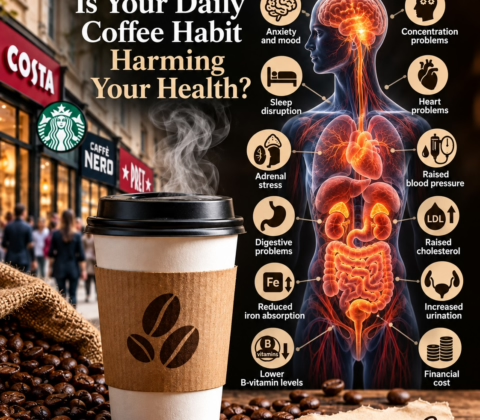
The fact that this is now a scheduled date on the calendar demonstrates how much the system wants you to consume this product, and the motivation is not for your health; it is for profit. Profit from the sales of takeaway coffee from their popular high-street outlets, and from the medical interventions that unhealthy people require from the industrial medical complex. In particular, antidepressants for anxiety, sleeping tablets, statins, and ADHD medication.
In the 1980s, people in England predominantly drank tea, in the form of loose black tea, usually at home, at work, or in an independent cafe. Although a small number of specialist coffee shops already existed, the branded coffee-shop culture that we recognise today had not yet taken over the English high street.
That began to change rapidly during the mid-to-late 1990s. Costa, which had opened its first London coffee shop in 1981, was acquired by Whitbread in 1995 and subsequently expanded. Caffè Nero was established in London in 1997 and began expanding outside the capital in 1999, while Starbucks opened its first UK shop in London in September 1998. By 2000, Starbucks already had 156 UK stores, demonstrating just how rapidly the new coffee-shop culture was spreading.
Over the past 30 years, coffee has consequently become embedded in our culture, with branded corporate coffee shops on high streets across England and familiar programmed scripts around ‘meeting for a coffee’ or needing coffee to wake up in the morning. Yet behind this everyday habit is a powerful psychoactive substance that affects the nervous, hormonal, cardiovascular, and digestive systems. These effects raise questions about what a daily coffee habit is actually doing to the body.
Coffee can:
inhibit iron absorption;
affect levels of some B vitamins;
lower natural energy levels;
contribute to anxiety and depression;
stimulate the body’s stress response;
raise cortisol levels;
affect concentration;
disrupt sleep;
cause physical dependence;
affect the cardiovascular system;
affect the digestive system; and
contribute to prolonged adrenal stimulation and the state commonly known as adrenal fatigue or ‘burnout’.
Adrenal Fatigue
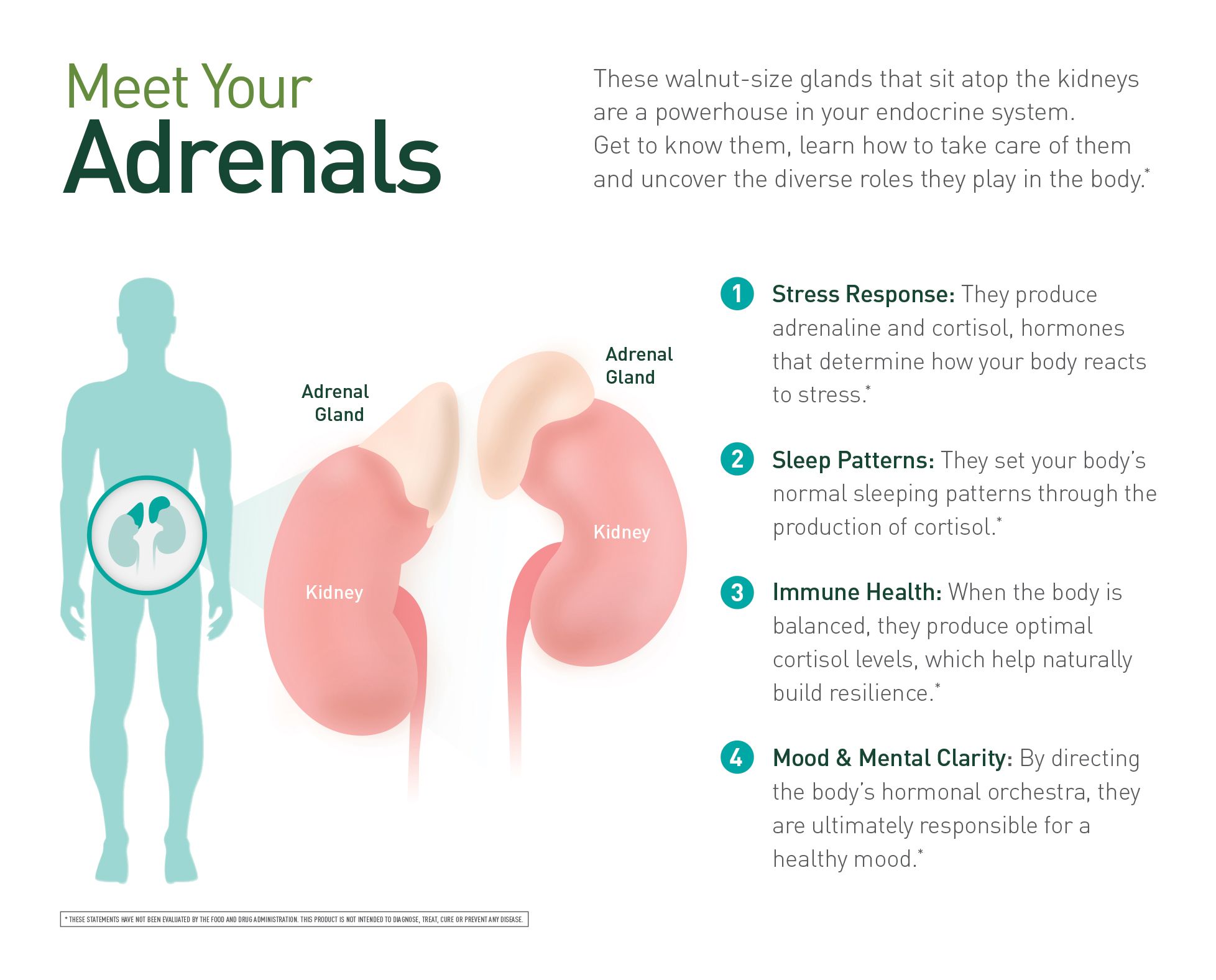
By far the most harmful effect of coffee consumption is the way caffeine stresses the adrenal glands, which over the long term will cause adrenal dysfunction.
The adrenals release hormones directly into the bloodstream, including cortisol, which regulates our sleep/wake cycle. It is released during times of stress to give your body an energy boost. The adrenal glands also release adrenaline and noradrenaline during stressful situations, initiating the fight-or-flight response.
Human experiments have measured increased circulating adrenaline following caffeine. In one study, intravenous caffeine increased plasma adrenaline by 114%.
A placebo-controlled human experiment using caffeine equivalent to approximately two or three cups of coffee found that caffeine increased cortisol by about 30%. A recent review confirms these effects and notes that the cortisol response becomes blunted and can sometimes disappear with chronic caffeine consumption. Other controlled experiments have confirmed that caffeine can increase cortisol even while people are resting.
If we spike these hormones by regularly drinking caffeinated beverages, we will eventually cause adrenal fatigue, where the adrenal glands stop functioning correctly.
There are signs of adrenal dysfunction that are easy to spot:
Low cortisol in the morning: waking up having had a full night’s sleep only to feel exhausted, causing us to reach for a caffeine hit to get us going;
High cortisol at night: we feel tired but experience insomnia.
Other symptoms can be headaches, dizziness, general fatigue, and palpitations.
Are you tired all the time and lacking energy? Do you automatically reach for a caffeine hit to get you through the day? Contrary to popular belief, drinking coffee doesn’t give you energy; it simply appears to energise you by overstimulating your adrenal glands, causing a rush of adrenaline and cortisol.
Sleep Disruption
Coffee can significantly impair sleep. This is one of the clearest causal effects. A 2023 systematic review and meta-analysis of 24 studies found that caffeine reduced total sleep time by about 45 minutes, reduced sleep efficiency by about 7%, delayed falling asleep by about 9 minutes, increased wakefulness after sleep onset, and reduced deep sleep. The authors calculated that a coffee containing about 107 mg caffeine could affect total sleep time if consumed within approximately 8.8 hours of bedtime. A newer meta-analysis of controlled crossover trials reached essentially the same conclusion.
This is primarily a caffeine effect and would therefore also apply to black tea, hot chocolate, and cola drinks.
Increased Anxiety
Coffee contains caffeine, which promotes nervousness, sleeplessness, and ‘the jitters’.
Caffeine can increase anxiety, particularly at higher doses. Controlled studies establish an anxiogenic effect. A 2024 study found increased anxiety in healthy people, with a substantially stronger effect at doses above about 400 mg caffeine. A 2026 systematic review of 27 studies similarly concluded that the evidence predominantly supports a dose-dependent increase in anxiety symptoms.
People with panic disorder are particularly sensitive. In placebo-controlled caffeine-challenge studies using roughly 400–750 mg, about 51% of participants with panic disorder experienced a panic attack, compared with almost none after placebo.
Caffeine Dependency
Regular caffeine use can produce physical dependence and withdrawal. This is very well established experimentally. Abrupt withdrawal can cause headache, fatigue, drowsiness, reduced alertness, difficulty concentrating, irritability, depressed mood, nausea, and flu-like symptoms. A major review found headache in about 50% of subjects undergoing experimental withdrawal and clinically significant impairment in about 13%. Symptoms typically begin 12–24 hours after stopping, peak around 20–51 hours, and can persist for 2–9 days. Withdrawal has been demonstrated following habitual intakes as low as around 100 mg of caffeine per day.
Caffeine withdrawal is not merely an association: it has been demonstrated under controlled conditions.
Heart Problems
Caffeinated coffee can increase extra or early heartbeats, which feel like a flutter, thump, skipped beat, or palpitation. In a CRAVE randomised trial, in which people alternated between coffee-consumption days and caffeine-avoidance days, extra beats occurred more frequently on days when people drank coffee, increasing from an average of 102 to 154 per day.
Interestingly, the same experiment recorded about 36 minutes less sleep on coffee days, reinforcing the controlled sleep evidence.
Raised Blood Pressure
Coffee can acutely raise blood pressure. A meta-analysis of randomised trials found caffeine supplementation increased systolic blood pressure by about 1.9 mmHg and diastolic pressure by about 1.7 mmHg overall. In people with hypertension, doses of 200–300 mg caffeine produced considerably larger acute increases — around 8.1 mmHg systolic and 5.7 mmHg diastolic — lasting for three hours or more.
Raised LDL Cholesterol
Unfiltered coffee can raise LDL cholesterol. This is another particularly strong causal finding because it has been demonstrated in randomised trials. The important substances are the coffee diterpenes cafestol and kahweol, which remain in coffee prepared without effective paper filtration.
A meta-analysis of randomised trials found coffee consumption increased total cholesterol, LDL cholesterol, and triglycerides, with substantially greater effects from unfiltered coffee. An earlier meta-analysis specifically found that unfiltered coffee increased total and LDL cholesterol, whereas filtered coffee produced very little increase.
Purified cafestol has also been experimentally administered to humans. It produced sizeable increases in total cholesterol, LDL, and triglycerides, establishing that the diterpene itself can cause the effect.
This distinction matters enormously. Cafetière/French-press, boiled Scandinavian coffee, and Turkish-style coffee contain substantially more diterpenes than paper-filtered coffee.
Reduced Iron Absorption
Coffee inhibits the absorption of non-haem iron when consumed with meals. This has been demonstrated directly in human absorption experiments. In one controlled study, drinking coffee with a meal reduced non-haem iron absorption by 39%. With another test meal, absorption fell from 5.88% without coffee to 1.64% with drip coffee and 0.97% with instant coffee. Stronger coffee caused still greater inhibition.
Timing mattered: coffee taken an hour before the meal did not impair absorption, whereas coffee taken with the meal or an hour afterwards did.
This is therefore a genuine nutritional disadvantage, particularly relevant to people who depend heavily on plant-derived iron or who have marginal iron stores.
Reduced B-Vitamin Levels
High coffee consumption has been associated with lower blood concentrations of some B vitamins. A particularly useful study examined 10,601 healthy adults and measured their coffee consumption alongside circulating B vitamins. Compared with people who did not drink coffee, those drinking four or more cups per day had:
11.7% lower folate (vitamin B9);
14.1% lower pyridoxal phosphate (the active form of vitamin B6); and
5.5% lower riboflavin (vitamin B2).
Low B-Vitamin levels contribute to increased anxiety and depression.
Their homocysteine was also 6.8% higher.
High Homocysteine
B vitamins are important in recycling and converting homocysteine. Folate (B9) and vitamin B12 help convert homocysteine back into methionine. Vitamin B6 helps convert homocysteine along another pathway into cysteine and other substances.
It isn’t just low B vitamins that increase homocysteine; coffee itself is capable of altering homocysteine metabolism independently of simply lowering circulating B-vitamin concentrations.
In one randomised crossover trial, people drank one litre of strong paper-filtered coffee every day for four weeks. Their average homocysteine increased from 8.1 to 9.6 μmol/L — an 18% increase. Coffee increased homocysteine in 24 of the 26 participants.
Another randomised trial using one litre of unfiltered cafetière coffee daily found an increase of about 10% after two weeks.
More importantly, another study looked at quantities closer to normal consumption. People accustomed to drinking about four cups of filtered coffee per day who stopped drinking coffee for six weeks experienced an average reduction in homocysteine of 1.08 μmol/L.
High homocysteine is associated with vascular disease and increased blood clots or DVT. Clots are associated with stroke, and blocked arteries, which can cause coronary heart disease and lung problems.
Coffee and Gut Acidity
Coffee is acidic and contributes to acidity in the gut, which may create an environment for cancer cells, which thrive in high acidity. Brewed coffee typically has a pH of 4.8 to 5.1, compared with natural water at pH 7, and stomach acid around pH 1 to 3.
Coffee naturally contains acids including chlorogenic, citric, malic, and quinic acids. Coffee can stimulate gastrin and gastric secretion, affect oesophageal function, stimulate colonic motor activity, and prompt bowel movements. Someone with reflux, dyspepsia, gastritis, or a particularly sensitive digestive system may find coffee aggravating.
Coffee stimulates gastric acid secretion and gastrin. This is directly demonstrated physiologically in controlled human experiments, which have repeatedly shown that both ordinary and decaffeinated coffee can stimulate gastric acid secretion and gastrin release. Remarkably, in some experiments, decaffeinated coffee stimulated more gastric acid secretion than caffeine alone.
That tells us something important: caffeine is not the only gastrointestinal stimulant in coffee. Other coffee constituents are involved.
Different coffees also produce different effects. One human study comparing roasts found that a dark roast stimulated gastric acid secretion less strongly than a medium roast containing considerably more chlorogenic acids and other compounds.
Increased acid secretion may contribute to gut health problems such as gastritis, stomach ulcers, or intestinal damage.
Acid Reflux
Coffee can exacerbate gastro-oesophageal reflux in some people. The newest comprehensive meta-analysis, published in 2026 and covering 40 studies and 122,074 people, found GERD more common among coffee drinkers. Coffee stimulates gastric physiology and can provoke heartburn in susceptible individuals.
Increased Urination
Caffeine can worsen urinary urgency and frequency. A systematic review including seven randomised controlled trials found that reducing caffeine improved urinary urgency, frequency, nocturia, and some measures of urinary incontinence in people with overactive bladder.
This means caffeine is a genuine bladder stimulant in susceptible people rather than the association being purely anecdotal.
Bone Fracture Risk
An increased fracture risk in women remains unresolved rather than proven. Meta-analyses have found a dose-dependent association between higher coffee consumption and fracture risk in women. One reported a relative risk of 1.14 when comparing the highest with the lowest consumption groups, while finding the opposite association in men. The major BMJ umbrella review also identified fracture risk in women as one of the few consistently unfavourable associations.
Effects During Pregnancy
Pregnancy is the clearest situation in which coffee/caffeine intake is associated with potentially serious harm. Higher maternal caffeine exposure has repeatedly been associated with pregnancy loss, lower birth weight, small-for-gestational-age babies, and stillbirth. A dose-response meta-analysis found that increasing caffeine consumption was associated with progressively greater risks, although most of this evidence is observational and therefore cannot establish causality as securely as the sleep or cholesterol experiments can.
Heavy Metal Toxicity
Coffee is a source of nickel, which can cause kidney problems.
The Financial Cost of Coffee
There is also a considerable financial incentive to kick the daily coffee habit. In September 2026, the average price of a latte across four of the major UK high-street coffee chains — Costa, Starbucks, Caffè Nero, and Pret — is approximately £4.03. Buying just one takeaway coffee every day therefore costs around £28.21 a week, £122.57 a month, or £1,470.95 a year. Someone buying two coffees a day could be spending almost £3,000 a year. Giving up the daily takeaway coffee could therefore leave an extra £1,471 in your pocket each year — as well as removing a regular source of caffeine from your diet.
Conclusion
Rather than automatically celebrating World Coffee Day on 1 October, perhaps we should use the occasion to question why coffee has become such an established part of our daily culture. For many people, reaching for coffee first thing in the morning, during the working day, or when meeting friends has become an automatic habit rather than a conscious choice.
Coffee affects the body in numerous ways, from stimulating the stress response and disrupting sleep to affecting digestion, cardiovascular function, and the absorption of nutrients. Regular consumption can also create physical dependence, leaving people reaching for another cup simply to avoid the fatigue, headache, and lack of concentration associated with withdrawal.
World Coffee Day therefore provides an opportunity to question the habit rather than simply celebrate it. Why do we drink coffee? How does it make us feel without the temporary stimulation of caffeine? What effect is it having upon our health, sleep, energy, and finances? And, perhaps most importantly, do we actually need it?
About Rose
Rose is a Shamanic Practitioner offering in-person and distance Shamanic Healing Sessions and Shamanic Life Coaching, specialising in narcissistic abuse.
Rose works without hallucinogenic or psychedelic plant medicines. Instead, she uses an ancient drumming method to access this altered state of consciousness. A session may include a tailored combination of Power Animal Retrieval, Divination, Soul Retrieval, Energy Body Healing, Psychopomp, and Extraction to remove negative energy and blockages.
Each session with me includes Shamanic Subconscious Repatterning. A powerful system that changes the subconscious programmes that drive unwanted behaviour. This method heals trauma at its source, removes the self-limiting programme, and then rewrites a new way of being.
Shamanic Healing can be accessed face-to-face in the Rose Healing Room, Petersfield, East Hampshire or remotely through Distance Healing Sessions. Because the work is carried out in the Spirit Realm with the support of Rose’s Spirit Guides, the client does not need to be physically present in the same room. Distance sessions are narrated in real time, and clients receive an audio recording by email afterwards.
Every year on 12 September, Mindfulness Day invites us to stop for a moment and pay attention to the present. It sounds remarkably simple, yet how often are we truly present? We can be walking while thinking about where we are going, eating while looking at a screen, or listening to somebody while already preparing what we are going to say next. We can spend our mornings thinking about the afternoon and our evenings replaying something that happened years ago.
Our body may be here, but our awareness is somewhere else. Mindfulness is the practice of bringing ourselves back. From a shamanic perspective, however, I believe we can take this further. Becoming present is not simply about becoming more aware of ourselves. It can also be about becoming aware of the living world around us and remembering that we are part of the Web of Life.
Mindfulness and Shamanic Awareness
The modern mindfulness movement has become associated with meditation, breathing exercises, stress reduction and wellbeing, but its roots are much older. The English word mindfulness has been used to translate the Buddhist concept of sati, although the meaning of the original term is richer and has been interpreted in different ways. It can encompass remembrance, attentiveness and a lucid awareness of present experience. Within Buddhist traditions, mindfulness forms part of a much wider spiritual and ethical practice rather than existing simply as a technique for relaxation.
At its simplest, mindfulness asks us to notice our breathing, our body and our thoughts without immediately becoming carried away by them. It also asks us to notice what is happening around us. There is something profoundly valuable in this simple act of paying attention, and it is here that mindfulness begins to overlap with something fundamental to shamanic practice: awareness.
Shamanism is rooted in an animistic understanding of the world. Animism recognises that we do not exist separately from nature. We are participants within a living world containing animals, plants, trees, rivers, mountains, stones, weather, landscape and spirit.
From this perspective, walking through a wood is not simply walking through scenery. The wood is alive around us. When we become quiet enough, our relationship with our surroundings begins to change. We hear the different layers of birdsong and notice the wind moving through the leaves. We feel changes in temperature as we move between sunlight and shade, and become conscious of the smell of damp earth, the texture of bark, the movement of insects and the changing shape of clouds. Things that were always there suddenly become visible because we have become present enough to notice them.
There is, however, an important difference between simply observing nature and approaching the natural world through an animistic consciousness. Modern mindfulness might invite us to sit beneath a tree and notice its bark, its leaves, the movement of its branches and the sensations arising within our own body. Shamanic awareness can invite us to go further, connecting with the tree’s spirit.
Instead of nature becoming the background against which we practise mindfulness, we begin to recognise ourselves as part of a relationship. The question changes from What can I get from spending time in nature? to What is here with me? It is a subtle but important shift. We stop placing ourselves at the centre of the experience and begin to listen.
Remembering How to Listen
Our modern lives are filled with noise. Phones ring, messages arrive, and notifications appear. Televisions, computers and radios fill quiet spaces, and even when the external noise stops, the internal conversation often continues. We think about what we need to do tomorrow, what somebody meant by something they said yesterday, what we should have done differently, or what might happen next.
Our attention moves continually between memory, anticipation and distraction. One of the gifts of mindfulness is the recognition that we do not have to follow every thought that passes through the mind. We can notice the thought, allow it to pass and return our attention to the breath, the body, the ground beneath our feet, the sounds around us and the present moment. The more we practise returning, the more we begin to discover how rarely we were completely present in the first place.
The body is one of the simplest ways of returning ourselves to the present. You cannot breathe yesterday’s breath or feel tomorrow’s ground beneath your feet. The physical body exists here and now, which is why becoming conscious of physical sensation can provide such a powerful anchor.
We can feel our feet upon the earth, notice where our body touches the chair, become aware of our breathing without trying to control it and observe where we are holding tension. Rather than attempting to force the mind to become empty, we can simply allow our awareness to settle into the body. For me, this kind of embodied presence also has an important place within shamanic healing. Before we journey elsewhere, it is valuable to know where we are.
The Shamanic Drum and Altered Awareness
People sometimes imagine that meditation must take place in silence, but shamanic practice offers another possibility. The repetitive beat of the drum can become a focus for awareness. Instead of the mind jumping continually from thought to thought, our attention can begin to settle into the rhythm.
The drum occupies a particularly important place within my own shamanic practice. I use drumming as part of shamanic journeying, where the repetitive rhythm supports a movement away from ordinary everyday awareness and into another state of consciousness. This creates an interesting relationship between mindfulness and shamanic journeying.
Mindfulness can begin by bringing us completely into the present moment, while shamanic journeying can then involve intentionally directing awareness beyond our ordinary experience of that moment. The two practices are not the same, but presence can provide a powerful foundation for journeying. Before travelling, we become still. Before asking questions, we listen. Before seeking an answer, we make space in which an answer might be heard.
There is another reason why mindfulness interests me as a shamanic practitioner. Our awareness can become extraordinarily scattered. Part of us may be thinking about something that happened yesterday while another part is worrying about next week. We may be answering messages while eating, watching television while scrolling through our phones and mentally rehearsing tomorrow’s conversation at the same time. We can become everywhere except where we actually are.
Difficult experiences can also leave us feeling disconnected from ourselves. Within different shamanic traditions, there are teachings concerning fragmentation, loss and restoration, including practices commonly described today as soul retrieval. These traditions have their own spiritual understanding and should not simply be reduced to modern psychological terminology.
There is nevertheless an interesting resonance between the two approaches. Mindfulness repeatedly asks us to notice where our awareness is now. Shamanic practice can take us towards the deeper question of what it might mean to become fully present within ourselves again.
The Sacred Art of Paying Attention
We live in a culture that places enormous value upon doing. We are encouraged to achieve something, fix something, buy something, improve something or become something. Even spiritual practice can become another task on the list: ten minutes of meditation completed before moving on to the next job.
Perhaps mindfulness does not always need to become another thing that we do. Sometimes it may be about what happens when we stop doing. There is a wonderful simplicity in sitting outside without needing the experience to achieve anything. We do not need the tree to heal us, the birds to give us a message or the universe to provide an answer. We can simply be there and listen. Paradoxically, it is often when we stop demanding answers that we become quiet enough to hear.
For Mindfulness Day, I invite you to spend five or ten minutes outside. You do not need a special or sacred place. A garden, woodland, park, field or quiet place beneath a tree is enough. Leave your telephone behind if you can, then stand or sit comfortably and become aware of the ground supporting you. Do not deliberately change your breathing. Simply notice it.
Gradually expand your awareness to what is happening around you. Listen to the sounds. Rather than simply identifying ‘birds’, listen more closely. How many different birds can you hear? Which sounds are nearby and which are far away? Notice the temperature of the air against your skin, the ground beneath your feet and the movement of the breeze. Become aware of scents such as earth, rain, leaves, flowers, wood or grass.
Then begin to notice what you can see. You might try noticing movement before objects: leaves stirring in the wind, clouds crossing the sky, grasses moving or insects passing through your field of vision. Allow yourself gradually to become still.
Instead of asking what you can gain from the experience, quietly ask yourself: What is here with me? Then listen. Do not force anything to happen and do not worry if nothing unusual occurs. Simply practise being present. That is enough.
Coming Home to Ourselves
Mindfulness does not necessarily require a meditation cushion, an app or an hour of silence. It can happen while walking, washing dishes, sitting beneath a tree or listening properly to somebody we love. It happens whenever we suddenly remember: I am here.
Shamanic awareness adds another dimension to that recognition. I am here, but I am not here alone. I exist within an extraordinary living web of relationships: with the earth beneath me, the air entering my lungs, the plants and animals around me, the people whose lives intersect with mine and, within the shamanic understanding of reality, the unseen world of spirit.
Perhaps that is one of the deeper gifts of becoming present. We begin by paying attention to ourselves. As our awareness expands, we notice the world around us. Eventually, we may remember that the separation between ourselves and the living world was never as absolute as we imagined.
This process of slowing down, listening and reconnecting is also woven through my shamanic healing practice. A shamanic healing session creates a space away from the continual demands and distractions of everyday life. My work can incorporate intention setting, energy body healing, shamanic drumming and journeying, alongside other shamanic healing practices according to the needs of the individual.
At its heart, however, there is something very simple. We create space, we listen, and we allow ourselves the opportunity to reconnect. So, on Mindfulness Day this year, perhaps give yourself a few minutes in which there is nowhere else you need to be. Put down the telephone, go outside, feel your feet upon the earth and listen. Notice what is around you and, for a little while, simply be here.
Shamanic Life Coaching
If you would like to develop mindfulness and meditation as part of your everyday life, I can support you through my Shamanic Life Coaching sessions. I work individually with clients to help them develop greater awareness, become more grounded and present, and establish mindfulness and meditation practices that feel natural and sustainable rather than becoming another task to complete. Drawing upon my experience of shamanic practice, meditation and working with altered states of awareness, I can also help you explore ways of quietening the continual activity of the mind, strengthening your connection with your body and intuition, and developing a deeper relationship with yourself and the natural world. You can find out more about my Shamanic Life Coaching and how I work here: https://www.roseautumn.com/shamanic-coaching/
Here is an audio recording of the article if you prefer to listen:
Sleep is one of the foundations of physical, mental and emotional health.Yet for many people it becomes increasingly difficult to obtain.We may struggle to fall asleep, wake repeatedly during the night, wake much too early in the morning, or sleep for many hours without feeling properly refreshed.
Insomnia should not be approached simply as an isolated problem occurring only at night.Sleep is influenced by what happens throughout the entire twenty-four-hour cycle: daylight and darkness, stress, physical activity, nutrition, gut health, stimulants, alcohol, hormones, nervous-system activity and our mental and emotional state.I therefore prefer to look at sleep as part of the functioning of the whole person.
Different people also require different amounts of sleep.Some people function well with approximately six hours, while others need eight, nine or even ten.Some benefit from a short daytime nap, whereas others sleep best when their sleep occurs in one continuous period at night.Consequently, there is no single number that describes everybody’s ideal sleep requirement.
What matters is obtaining sufficient restful sleep within each twenty-four-hour period to allow the body and mind to recover.Chronic sleep deprivation leaves us with fewer physical and psychological resources with which to cope with stress, and may itself make stressful situations increasingly difficult to manage.
Work With the Natural Light–Dark Cycle
Human beings evolved in an environment in which bright light came primarily from the sun.Daylight indicated activity and darkness indicated rest.Modern life has radically altered that relationship.
Artificial lighting, televisions, computers, tablets and mobile phones allow us to expose ourselves to bright light long after sunset.Blue-enriched light is particularly relevant because light reaching the eyes provides an important signal to the brain’s circadian system about whether it is daytime or nighttime.
One of the simplest changes you can make is therefore to reduce artificial light substantially during the evening.
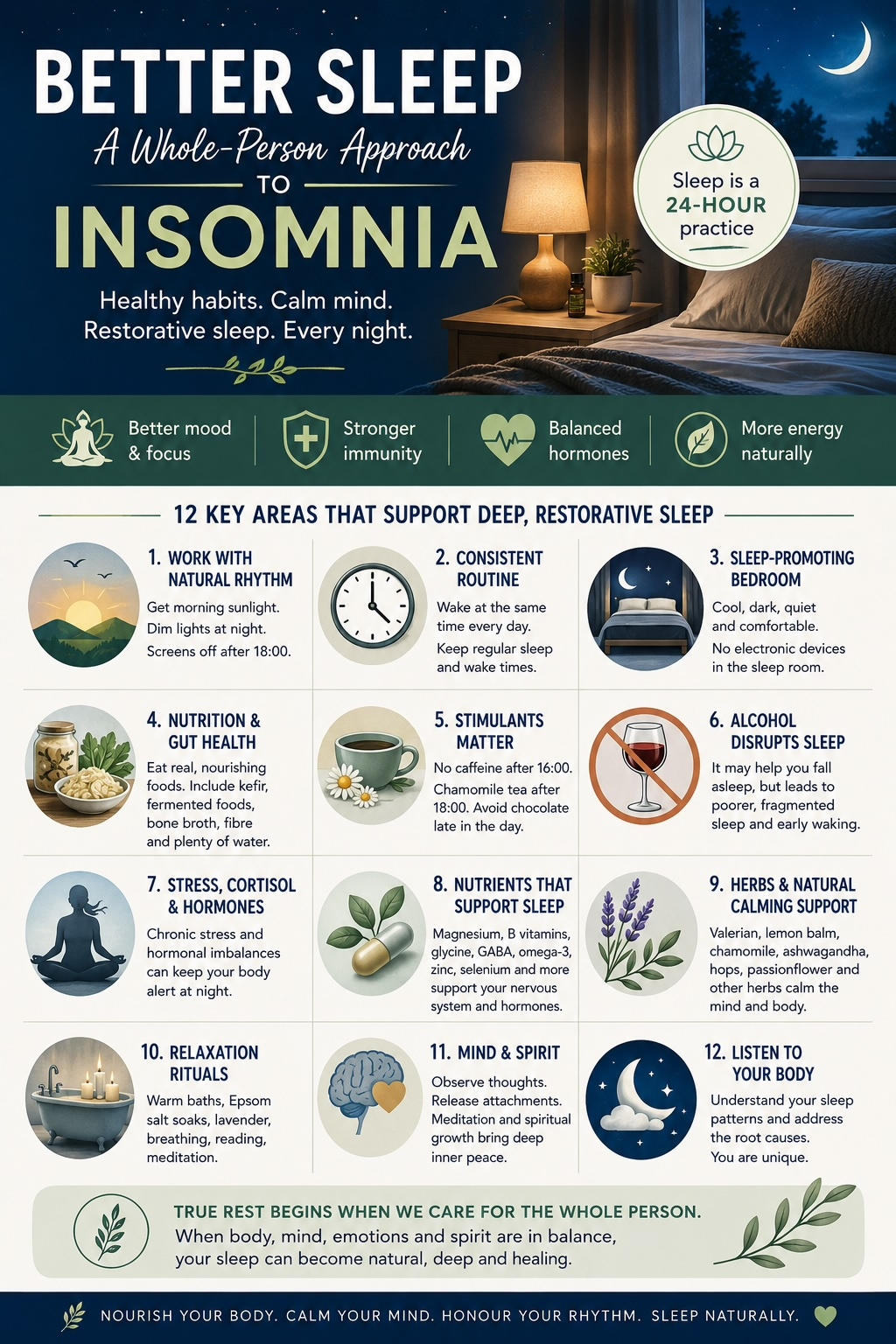
No phones, computers, tablets or other screens after 18:00.
After 18:00, gradually make your surroundings darker rather than continuing to illuminate the house as though it were daytime.If you want to read before bed, try reading by candlelight or a dim red light rather than under bright overhead lighting.
The objective is to give the body an unmistakable environmental message: the active part of the day is ending.
Wake at the Same Time Every Day
A good night’s sleep begins in the morning.
Wake at approximately the same time every day and go outdoors for a walk.Morning daylight provides the circadian system with a powerful indication that the new day has begun.
Where possible, live more closely according to the natural rhythm of daylight: wake with the sun and begin preparing for sleep as darkness arrives.The precise hours will vary according to season, circumstances and individual requirements, but the underlying principle is to avoid repeatedly pushing wakefulness late into the night.
Keep both bedtime and waking time regular and avoid unnecessary late nights.Regularity helps the body anticipate when it should be awake and when it should be preparing for sleep.
Create a Sleep-Promoting Bedroom
Your sleeping environment matters.
Make your bedroom as quiet as reasonably possible.Earplugs may be useful where unavoidable environmental noise is disturbing sleep.Keep the bedroom comfortably cool or moderate rather than excessively warm, and make the room as dark as possible.
I also recommend switching off electronic devices at night and, where possible, charging phones, tablets and other equipment in a separate room.Ideally, the sleeping room should contain as little electrical equipment as possible.Removing devices also reduces the temptation to check messages, notifications or the time during the night and helps create a clearer distinction between the bedroom and the active, connected part of the day.
If an electrical device is not needed overnight, switch it off rather than leaving it on standby.Keep chargers, phones, laptops, tablets, televisions and other unnecessary electronic equipment out of the sleeping room wherever practicable.
Your bed should also be comfortable and supportive.
Try to use your bed primarily for sleeping rather than spending long periods lying there awake, working, scrolling through a telephone or worrying.
The nervous system learns through association.If night after night is spent lying awake and frustrated in bed, the bed itself can gradually become associated with wakefulness and anxiety.Conversely, repeatedly getting into bed when sleepy strengthens the association between bed and sleep.
What to Do When You Cannot Sleep
Trying harder to sleep is rarely helpful.
If you have been lying awake and cannot sleep, get up for a while rather than remaining in bed becoming increasingly frustrated.Keep the lighting low and do something quiet and relaxing until you feel sleepy.
Useful relaxation techniques include abdominal breathing, progressive muscle relaxation, visualising a peaceful scene, self-hypnosis, reading something pleasurable, listening to soothing music, taking a hot shower, having a warm bath or Epsom salt bath, soaking the feet in an Epsom salt foot bath, and meditation.
Then return to bed when you feel ready to sleep.
Avoid repeatedly looking at the clock.Calculating how many hours remain before morning can transform wakefulness into an increasingly stressful event.
Exercise, Daylight and the Body Clock
Regular physical exercise can help prepare the body for restorative sleep.Establishing a regular time for exercise can also reinforce the rhythm and structure of the day.
Walking outdoors after waking is particularly useful because it combines movement with exposure to natural daylight.
Exercise can also provide an outlet for the physiological consequences of stress.A sedentary body may be physically inactive while the nervous system remains highly activated.Appropriate movement during the day helps create a clearer distinction between daytime activity and nighttime rest.
Food, the Gut and Sleep
Gut health should not be overlooked when considering sleep.
If you drink alcohol or have taken antibiotics, your gut flora will be damaged.The intestinal microbiome interacts with nutrition, metabolism, immune function and signalling between the gut and nervous system.Restoring the intestinal environment should therefore form part of a whole-body approach to health and sleep.
Include naturally fermented foods such as kefir and sauerkraut in the diet.
I also recommend making your own bone broth and drinking approximately one cup each day.Traditionally prepared bone broth provides amino acids and other nutrients and can form part of a nourishing gut-healing diet.
Adequate fibre is important for healthy bowel function, while raw fruits and vegetables provide vitamins, minerals and flavonoids.
Drink sufficient filtered water throughout the day. Add Celtic/Pink salt, electrolytes, and minerals. See The Root Cause Protocol.Individual requirements will vary according to body size, activity, climate and diet.
Avoid going to bed either extremely hungry or immediately after a large meal.If necessary, have a small, light snack of complex carbohydrates rather than a heavy meal immediately before sleep. Eat your evening meal at 18:30.
I have written much more extensively about repairing the intestinal environment, fermented foods, kefir, bone broth, probiotics, Candida and dietary changes in Gut Healing: www.roseautumn.com/2023/11/gut-healing/
If you prefer a plant-based approach, see Natural Plant-Based Gut Healing Foods, which includes fermented foods, prebiotics, plant-based broths, omega-3, turmeric and other gut-supporting foods and supplements: www.roseautumn.com/2025/03/natural-plant-based-gut-healing-foods/
Caffeine, Chocolate and Other Stimulants
If you are one of those people who can’t start the day without black tea or coffee, you may have adrenal fatigue. This is when your adrenal glands have gone into dysfunction due to overstimulation with caffeine. Cortisol production can go low in the morning, causing an inability to wake up, and can be high at night, preventing sleep. See my article on Adrenal Fatigue.
Caffeine stimulates the nervous system and can continue affecting the body for many hours. I recommend no coffee, black tea, green tea or chocolate after 16:00.
Other sources of caffeine include cola drinks, energy or “alert” drinks and stimulant tablets.
Substitute black tea and coffee with herbal teas as medicinal aids. Rooibos is caffeine-free with a strong tea-like flavour but is also a liver detoxifier.
Green tea is interesting because it contains GABA, a calming neurotransmitter, as well as caffeine.Drink Green Tea in the morning, but I would not use caffeinated green tea as an evening sleep drink.
After 18:00, try chamomile tea or specialist sleep teas that include valerian and/or lemon balm instead.
Tick-Tock, Yogi Tea, Clipper, Pukka, and Dragonfly are good brands of tea which do not contain plastics or harmful chemicals.
Alcohol and Sleep
Alcohol deserves particular attention because its initial effects can easily be mistaken for improved sleep.
Alcohol can make a person feel sleepy and may shorten the apparent time required to fall asleep.Sedation, however, is not the same thing as healthy restorative sleep.Alcohol consumption can produce fragmented, poor-quality sleep and contribute to waking later during the night.
It can consequently create a vicious circle.A person cannot sleep, discovers that alcohol makes falling asleep easier, begins drinking in the evening for that purpose, and subsequently experiences poorer-quality sleep.The resulting tiredness and anxiety can then increase the desire to drink again.
Alcohol also damages gut flora and can contribute to nutritional depletion.Anyone trying to understand persistent sleep problems should therefore consider alcohol consumption as part of the overall picture rather than treating it as unrelated to insomnia.
Stress, Cortisol and Sleep
Chronic stress can profoundly disturb sleep.
Cortisol is intimately involved in our daily rhythm of activity and alertness.Cortisol should follow an appropriate daily pattern rather than remaining continually elevated or appearing at inappropriate times.
Being unable to get to sleep can be a sign of cortisol dysfunction and possible thyroid dysfunction.Rather than simply attempting to sedate the body every night, consider why the body remains alert when it should be moving into rest.
Chronic stress can also affect memory, concentration, mood and motivation.Anxiety, depression, low mood, lethargy and lack of motivation may therefore occur alongside disturbed sleep rather than existing as entirely separate problems.
The objective is not merely to “knock yourself out” at bedtime.It is to help restore the conditions in which the nervous system can naturally move between activity and rest.
My article Adrenal Fatigue looks much more closely at adrenal dysfunction, high and low cortisol patterns, cortisol testing, nighttime insomnia, early waking and the nutritional and herbal approaches I use: www.roseautumn.com/2024/04/adrenal-fatigue/
Hormonal changes can have a profound effect on sleep, particularly during perimenopause and menopause.For some women, sleep problems appear for the first time during this period.For others, an existing tendency towards poor sleep becomes much more pronounced.
Oestrogen and progesterone influence many systems involved in sleep, mood, temperature regulation and nervous-system activity.As hormone levels fluctuate during perimenopause, sleep can become less predictable.A woman may fall asleep easily on some nights and struggle for hours on others, or begin waking repeatedly for no obvious reason.
Progesterone is especially relevant because it has a calming influence within the nervous system.Changes in progesterone may therefore contribute to feelings of internal agitation, anxiety and difficulty settling at night.
Changes in oestrogen may also affect temperature regulation.Hot flushes and night sweats can repeatedly interrupt sleep, sometimes waking a woman before she is consciously aware that temperature change was the trigger.
Poor sleep can then intensify other symptoms.Sleep deprivation reduces resilience to stress and may worsen irritability, anxiety, poor concentration, memory problems, low mood and exhaustion.The combination can become cyclical: hormonal change affects sleep, disturbed sleep increases stress, and increased stress makes restful sleep more difficult.
This is another reason not to look at insomnia purely as a nighttime problem.During perimenopause and menopause, it may be useful to consider hormone balance alongside cortisol, thyroid function, nutritional status, alcohol consumption, blood-sugar regulation, stress and gut health.
Keeping the bedroom cool can be particularly important where night sweats or hot flushes are involved.Natural fabrics, breathable bedding and layers that can easily be removed may also help reduce the amount of time spent fully awake after a temperature change.
Regular morning daylight, physical activity, an early and consistent sleep schedule, magnesium, calming herbs and stress reduction can all form part of a broader approach.
Nutritional Support for Sleep and the Nervous System
Nutrition provides the raw materials from which the body produces neurotransmitters, hormones, enzymes and cellular energy.Nutritional depletion can therefore affect both stress resilience and sleep.
The actual amount of elemental magnesium contained in three capsules varies considerably between products, so the product formulation should always be checked.
Vitamin B Complex
B vitamins support normal nervous-system function and cellular energy production.Periods of prolonged stress can increase nutritional demands, making adequate B-vitamin status particularly important. See the Root Cause Protocol article.
Vitamin B6 and MTHFR
Vitamin B6 participates in amino-acid metabolism and in biochemical pathways involved in neurotransmitter production.Methylation and the MTHFR gene mutation should also be considered when examining B-vitamin metabolism rather than assuming that every individual processes B vitamins identically.
I explore this subject in much greater depth in Genetics — MTHFR & B Vitamin Deficiency, including B12, folate, methylated B vitamins and the relationships I have identified between MTHFR, mood, anxiety, depression, addictive behaviour and disturbed sleep: www.roseautumn.com/2023/11/genetics-mthfr-b-vitamin-deficiency/
Vitamin C
Vitamin C is involved in numerous metabolic processes, including pathways associated with the body’s response to stress.It also functions as an antioxidant. See the article on The Root Cause Protocol.
Selenium
A simple whole-food source of selenium is Brazil nuts.I recommend approximately two Brazil nuts per day.
The selenium content of Brazil nuts can vary substantially, so more is not necessarily better.
Amino acids are the building blocks of proteins and also provide precursors for important signalling molecules and neurotransmitters.Stress can increase nutritional demands, making adequate protein and amino-acid intake important.
Take a multi-amino acid complex in the morning. This is particularly important if you are vegetarian or vegan.
Glycine
Glycine is an amino acid with inhibitory signalling functions in the nervous system and is also involved in numerous metabolic processes.
For early-morning waking, I use 5–10 g of glycine powder in a small amount of water before bed.
I discuss glycine, the amount I use and its wider relationship with sleep, the nervous system, serotonin, blood-sugar regulation and collagen in Simple Daily Detox Methods: www.roseautumn.com/2026/08/simple-daily-detox-methods/
GABA
Gamma-aminobutyric acid, or GABA, is one of the nervous system’s principal inhibitory neurotransmitters.In simple terms, excitatory signalling encourages neuronal activity whereas inhibitory signalling helps restrain it.GABA is consequently associated with calmness and relaxation. It can be found in Green Tea.
Glutathione / NAC
Glutathione is one of the body’s important endogenous antioxidants and helps protect cells from oxidative damage. N-acetyl cysteine (NAC) provides cysteine used in the production of glutathione.Its relevance is therefore broader than sleep alone and forms part of nutritional support for antioxidant and cellular function.
Nicotinamide Adenine Dinucleotide
NAD participates in cellular energy metabolism and the transfer of chemical energy.Healthy energy metabolism during the day is part of maintaining the wider physiological rhythm within which restorative sleep occurs.
Omega-3 Fish Oil
Omega-3 fatty acids are important components of cell membranes and have numerous roles in brain and cardiovascular function.Fish oil can therefore form part of a broader nutritional programme supporting nervous-system and general health. See the article on The Root Cause Protocol.
Melatonin
Melatonin is a hormone closely associated with the biological signal of darkness.This is another reason why reducing bright and blue-enriched artificial light in the evening is important: the objective should be to work with the body’s natural day-night signalling.
L-Tyrosine
Tyrosine is an amino-acid precursor used in the production of catecholamines and thyroid hormones.It has traditionally been used to support the body during stress.Because these pathways can also affect alertness, its use should be considered in the context of the individual rather than simply assuming that every “sleep supplement” belongs immediately before bed.
Herbs Traditionally Used for Sleep and Stress
Plants have been used to calm the nervous system and encourage sleep for centuries.Different herbs have different actions, so it is more useful to understand what each is traditionally used for than to treat all “sleep herbs” as interchangeable.
Valerian is one of the best-known traditional sleep herbs.It is used for nervous tension, restlessness and difficulty settling into sleep and has a long history of use as a calming tea for the nervous system.
Lemon balm is traditionally used where nervous tension, restlessness or an overactive mind accompanies difficulty sleeping.It can be taken as a tea or in other herbal preparations.
Chamomile is a gentle traditional calming herb particularly suited to an evening tea.Drinking chamomile after 18:00 can also become part of the behavioural ritual signalling that the active day has ended.
Hops have traditionally been used for nervousness, restlessness and sleep difficulties.Their calming properties explain their inclusion in many traditional sleep preparations.
Passionflower is traditionally used to calm nervous tension and mental restlessness, particularly when an active mind makes it difficult to settle.
Tulsi, or holy basil, has a long tradition of use as an adaptogenic herb.It may be incorporated into a wider approach aimed at improving resilience to stress. Read the article on Adrenal Fatigue for problems getting to sleep and how this herb can help.
Skullcap has traditionally been used for nervous tension, restlessness and headaches and as a herb supporting sleep.
Wild oat has traditionally been regarded as a restorative nervous-system herb, particularly during periods of exhaustion and prolonged stress.
Polygala root and sour jujube seed are used in traditional Chinese herbal practice in formulations intended to calm or “soothe the spirit” and address restlessness and disturbed sleep.
Schisandra, rehmannia and dong quai have traditionally been used within broader herbal systems to support the body during stress.They are not simply sedatives and should be understood within the wider herbal context in which they are traditionally prescribed.
Siberian ginseng, or eleuthero, is traditionally used as an adaptogen to help the body cope with physical and psychological stress. Take it in the morning as it can be stimulating.
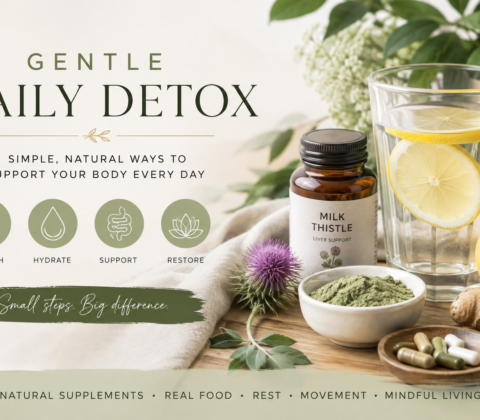
Milk thistle is primarily associated with liver support and antioxidant activity.Its relationship to sleep is therefore indirect: it belongs within a broader naturopathic approach to supporting the body’s overall functioning rather than functioning as a sleeping herb.
Bilberry provides anthocyanins and other antioxidant compounds and is traditionally used to support vascular and cellular health.Again, this is general nutritional support rather than a direct sedative action.
Ginkgo biloba is traditionally used to support circulation and cognitive function.It should therefore be distinguished from herbs such as valerian and hops that are used specifically for calming and sleep.
St John’s wort has traditionally been used in relation to mood and nervous-system complaints, as well as nerve pain.Mood and sleep are closely interconnected, although St John’s wort is not simply a sleeping herb.
Kava has traditionally been used for relaxation, nervous tension and anxiety.It can produce significant physiological effects and is subject to restrictions and safety concerns in some countries, so it should not be treated as an ordinary bedtime tea.
Turmeric is valued primarily for its wider anti-inflammatory and antioxidant properties rather than as a direct sedative.Its place in a sleep programme is therefore part of supporting general physiological health.
Homeopathy
Aurum metallicum is a homeopathic remedy that may be considered for early waking within a homeopathic approach.As with other homeopathic remedies, its selection traditionally depends upon the wider symptom picture and characteristics of the individual rather than the symptom of insomnia alone.
Sleep Troubleshooting: What Kind of Sleep Problem Do You Have?
It is useful to identify the pattern of insomnia rather than treating all disturbed sleep as though it were the same problem.The time at which sleep breaks down can offer useful clues about what needs attention.
All of these sleep problems may be affected by Wi-Fi and light pollution from street lighting. Use blackout blinds or curtain lining and switch of your router. Eliminate electronic devices from the bedroom to reduce electrosmog.
You Cannot Fall Asleep
If you are exhausted but become alert as soon as you get into bed, consider excessive evening stimulation, artificial light, caffeine, chronic stress and cortisol dysfunction.
Look carefully at what happens during the final four to six hours of the day.Are you still working?Are you using a phone or computer late into the evening?Is the house brightly illuminated?Have you consumed caffeine, green tea or chocolate late in the afternoon?Are you mentally replaying conversations, problems or unfinished tasks?
This pattern is often helped by creating a much clearer transition between daytime activity and nighttime rest: no screens after 18:00, dim light, calming tea, meditation, a warm bath, magnesium and a regular bedtime routine.
Possible thyroid dysfunction should also be considered where difficulty settling is persistent or accompanied by other relevant symptoms.
High Cortisol at night can be regulated with Holy Basil. See the post on Adrenal Fatigue for further information.
You Fall Asleep but Wake Repeatedly
Repeated waking may have a different set of causes.
Alcohol is an obvious factor to examine because it can initially produce sleepiness while causing more fragmented sleep later in the night.
Alcohol can stimulate the bladder as it is a diuretic. Limit drinks after 18:00 and always urinate before bed.
Temperature changes, hormonal fluctuations, stress, noise, an uncomfortable bedroom, the need to urinate, digestive discomfort and changes in blood-sugar regulation may also contribute.
Women in perimenopause or menopause should consider whether hot flushes, night sweats or hormonal changes coincide with the awakenings.
Rather than concentrating solely on how to fall asleep initially, examine what may be repeatedly disturbing the body once sleep has begun.
You Wake Very Early and Cannot Return to Sleep
Insomnia does not always mean being unable to fall asleep.
Some people fall asleep without difficulty but wake very early—perhaps at 03:00, 04:00 or 05:00—and cannot return to sleep.
I naturally wake at 05:00. I get up and start work, but I may have a short nap after lunch to help me through the rest of the day.
For early waking at 03:00 to 05:00, I use 3 capsules of a Magnesium Complex, 2 Ashwagandha tablets, and 5–10 g of glycine powder in a small amount of water before bed.
Early waking should also be considered in the context of the person’s entire twenty-four-hour pattern: bedtime, evening light, alcohol, stress, mood, caffeine, blood-sugar regulation and the timing of the circadian rhythm.
Consider stress, cortisol rhythm, alcohol, mood, circadian timing, and whether bedtime itself has become too early for the amount of sleep actually required.
Aurum metallicum may also be considered within a homoeopathic approach where it fits the wider individual picture.
If you wake early, avoid immediately reaching for the telephone or switching on bright lights.Keep the environment quiet and dark so that you do not reinforce the signal that the day has already begun.
Listen to calming music, binaural beats, or shamanic drumming tracks.
You Sleep for Long Enough but Wake Unrefreshed
The number of hours spent in bed does not necessarily tell you whether sleep has been restorative.
Someone may apparently sleep for seven, eight or nine hours yet wake feeling as though they have barely slept.
In this situation, consider sleep quality rather than simply sleep duration.
Alcohol, chronic stress, nutritional depletion, disrupted gut health, repeated micro-awakenings, breathing disturbance during sleep, hormonal changes and an inappropriate sleep environment can all be relevant.
This is also the point at which persistent snoring, witnessed pauses in breathing, morning headaches or extreme daytime sleepiness deserve particular attention.
Your Sleep Is Different Every Night
Highly unpredictable sleep may indicate that the daily routine itself is inconsistent.
Irregular waking times, late nights, varying meal times, weekend lie-ins, inconsistent caffeine intake and large differences in evening artificial-light exposure can all prevent the body clock from establishing a strong rhythm.
In this situation, simplify.
Wake at the same time every day.Get outside in morning daylight.Exercise regularly.Stop caffeine by 16:00.Stop screens at 18:00.Reduce evening lighting and establish the same sequence of activities before bed.
Before continually adding new supplements, establish a stable daily rhythm and observe what changes.
Foods and Substances to Minimise
A sleep programme should consider not only what is added to the diet but also what may need to be reduced.
The original nutritional guidance supplied for this programme identifies processed and unhealthy foods that may aggravate stress, including artificial sweeteners, carbonated soft drinks, chocolate, eggs, fried foods, junk food, pork, red meat, sugar, white-flour products, heavily preserved foods, strongly spiced foods, chips and similar highly processed foods.
Dairy products—including milk, ice cream, butter and cheese—are regarded as healthy in moderation within this approach but may be reduced if excessive consumption appears to contribute to nervousness or other symptoms.
Particular attention should be given to caffeine, including coffee, cola, iced tea, black tea, caffeinated green tea, stimulant tablets and energy or “alert” drinks.
Alcohol, tobacco and mood-altering drugs should also be minimised or avoided.These can offer temporary changes in sensation without resolving the underlying source of stress and may create additional physical and psychological problems.
Where dependence upon alcohol, nicotine, prescription medication or illicit drugs has developed—particularly where tolerance or withdrawal is present—appropriate professional assistance is important.
A hot shower or bath can be an effective transition between daytime activity and sleep.
Water cleanses the aura of negative energy, providing a soothing effect.
Use calming scented candles made from beeswax or soy and natural soaps.
An Epsom salt bath or foot bath combines the relaxing ritual of bathing with warmth and a deliberate period in which activity stops.Even the ritual itself is valuable: lights can be lowered, the telephone put away, and the nervous system given time to move out of continual stimulation.
Lavender
Lavender has a long traditional association with relaxation and sleep.
Lavender oil can be used in an oil burner or appropriate diffuser, placed carefully on or near the pillow, or added to a small bowl of hot water so that its aroma disperses into the room.
The important point is also behavioural.Repeatedly using the same gentle aroma as part of a bedtime routine can create a strong association between that scent, relaxation and preparation for sleep.
Meditation for Sleep and Stress
Meditation is a mental practice that can influence physiological processes.Its purpose is not necessarily to eliminate thought but to develop greater control over attention so that we can choose where awareness rests rather than continually reacting to whatever thought, sensation or external stimulus appears.
The relaxation and attentional control developed through meditation can be particularly valuable when anxiety and stress contribute to insomnia.
Find a quiet place where you can relax without interruption.Choose a time when you are not so exhausted that you immediately fall asleep.
Sit in a comfortable, straight-backed chair that allows you to remain upright with minimal effort.Support for the upper back and head can be helpful.Sit with your buttocks towards the back of the chair, place your feet slightly forward of your knees and rest your hands either on the arms of the chair or in your lap.
Allow your muscles to relax naturally.
Do not try to relax.Trying is another form of work.Instead, adopt a passive attitude and allow whatever happens to happen.If you feel relaxed, accept it.If you do not initially feel relaxed, accept that as well.
Close your eyes and begin observing your natural breathing.
As you inhale, silently think the word “more”.
As you exhale, silently think “relaxed”.
You can substitute another pair of short, positive or neutral words if you prefer.
Do not deliberately alter your breathing.Simply breathe naturally while returning your attention to the words and breath whenever the mind wanders.
Continue for approximately twenty minutes.
When you finish, allow the body to gradually readjust.Open your eyes, initially focusing on one object and then becoming aware of the wider room.Take several deeper breaths and gently stretch while still seated.Stand when you feel ready and continue stretching if desired.
Ideally, develop a regular meditation practice of approximately twenty minutes twice each day.Immediately after rising and before the evening meal are useful times. I prefer after lunch.
Avoid stimulants such as caffeine if they interfere with your ability to settle.Remove unnecessary interruptions such as telephones and alarms.If thoughts wander, gently return attention to the practice without criticising yourself.
Slow down and allow the process to happen.
I describe my own practice and how I work with thoughts, physical sensations and emotions in considerably more depth in How I Meditate: www.roseautumn.com/2021/10/how-i-meditate/
There is another dimension to sleep, alcohol and addictive behaviour that deserves consideration.
When we have an unconscious tendency or repeated life pattern, we may not actually be addicted simply to the external thing itself.We may describe ourselves as addicted to caffeine, drugs, alcohol, sex, food or media, but beneath the object is the sensation and reward that the behaviour produces within us, including the involvement of dopamine.
Freedom therefore involves learning to observe the somatic field directly: the changing field of sensations arising within the body and awareness.
Rather than automatically reacting to each sensation by labelling it good or bad, desirable or undesirable, we can learn to remain equanimous and observe it.
By bringing consciousness to this subtle inner world, we begin to see how attachments are created.Thoughts and sensory phenomena can be observed as a continually changing field rather than immediately becoming objects with which we identify.
This inner field of change can also be understood as prana, inner energy or the feeling of inner aliveness.
From this perspective, the movement towards a new Earth involves a movement away from materialism and from an egoic compulsion to endlessly acquire more.What appears externally to be darkness or madness may also be understood spiritually as the dismantling of old patterns.
This is relevant to addiction because lasting change requires more than simply removing an object of addiction.It requires consciousness of the internal pattern that repeatedly seeks the sensations produced by that object.
Shamanic Healing can address repeating patterns of behaviour through Shamanic Subconscious Repatterning.
A Spiritual Perspective on Alcohol, Insomnia and Possession
Alongside the physical, nutritional and psychological approaches described above, there is also a spiritual perspective.
Within a shamanic understanding of illness and altered states, non-human spirits can possess an individual.Alcohol can be understood as a possessing spirit.
Sleep deprivation and alcoholism can be clues that this dimension should be considered.
This does not mean abandoning physical approaches to gut health, nutrition, nervous-system regulation, addiction or sleep.A whole-person approach can consider physical, mental, emotional and spiritual dimensions together rather than assuming that only one level of explanation can exist.
For a fuller explanation of Traditional Shamanism and the techniques that may form part of my work, see Shamanic Healing: www.roseautumn.com/shamanic-healing/
A Practical Evening Routine
Bringing these principles together, an evening might look something like this.
Finish caffeine, including coffee, black tea, caffeinated green tea and chocolate, by 16:00.
At approximately 18:00, stop using phones, computers, tablets and other screens.Begin reducing artificial lighting and allow the environment gradually to become darker.
Eat the evening meal at around 18:30 – sufficiently early that you are neither uncomfortably full nor hungry when you go to bed.
Drink chamomile tea or other sleepy time teas after dinner.
Spend the later evening reading by dim red light or candlelight, meditating, listening to quiet music or engaging in another peaceful activity.
A shower or Epsom salt bath or foot bath can provide a further transition into rest.Lavender can be used to create a familiar relaxing bedtime environment.
Before going to bed, switch off unnecessary electronic equipment and charge phones, tablets and other devices in another room so that the bedroom remains as free from electrical equipment and nighttime distractions as possible.
Take any appropriate evening nutritional or herbal preparations, such as magnesium or the other preparations discussed above, according to your individual programme.
Read a calming novel using red light or candlelight.
Urinate before getting into bed.
Go to bed when sleepy.
Keep the bedroom dark, quiet and comfortably cool.
If you cannot sleep, do not spend hours fighting with yourself in bed.Get up, keep the lights low and engage in something quiet until sleepiness returns.
Then, whatever happened during the night, get up at your regular waking time and go outdoors into natural daylight.
The following evening, begin again.
Sleep Is a Twenty-Four-Hour Practice
Perhaps the most important principle is that sleep cannot be separated from waking life.
What happens at 10:00 in the morning can influence what happens at 10:00 at night.Morning light, movement, nutrition, stress, caffeine, alcohol, gut health, nervous-system activity, emotional patterns, hormones and evening artificial light all contribute to the physiological state in which we eventually go to bed.
Rather than asking only, “What can I take to make myself sleep?”, ask a wider question:
“What is preventing my body and mind from entering their natural state of rest?”
The objective is not simply unconsciousness for eight hours.It is genuinely restorative sleep that leaves the mind and body refreshed and able to meet the following day.
For some people, improving sleep may begin with something as simple as putting the telephone away at 18:00 and walking outside every morning.For others, the deeper work may involve nutrition, gut healing, hormonal change, chronic stress, alcohol, emotional patterns, meditation or spiritual healing.
The important thing is to work with the whole person.
This approach to sleep forms part of my wider approach to health, which considers nutrition, movement, sleep, stress regulation, gut healing, adrenal support, hormone balancing, meditation and natural supplementation together.You can read more about this in Lifestyle Medicine: www.roseautumn.com/lifestyle-medicine/
Shamanic Healing and Sleep
Sleep difficulties do not always arise solely from physical or behavioural causes. From a shamanic perspective, persistent insomnia can also reflect unresolved emotional patterns, energetic disturbance, loss of personal power, intrusive influences, or experiences that the nervous system has not fully integrated. Shamanic healing works with these deeper layers rather than treating sleep as an isolated symptom. Depending upon the individual, my work may include techniques such as energy-body healing, extraction, cord cutting, soul retrieval, changing agreements, Shamanic Subconscious Repatterning or other traditional shamanic methods. The intention is to help restore balance across the physical, emotional, energetic and spiritual aspects of the person, which can in turn support a greater sense of safety, calm and readiness for rest. You can read more about my Shamanic Healing work at: https://www.roseautumn.com/shamanic-healing/
About Rose
Rose is a Shamanic Practitioner offering in-person and distance Shamanic Healing Sessions and Shamanic Life Coaching, specialising in narcissistic abuse.
Rose works without hallucinogenic or psychedelic plant medicines. Instead, she uses an ancient drumming method to access this altered state of consciousness. A session may include a tailored combination of Power Animal Retrieval, Divination, Soul Retrieval, Energy Body Healing, Psychopomp, and Extraction to remove negative energy and blockages.
Each session with me includes Shamanic Subconscious Repatterning. A powerful system that changes the subconscious programmes that drive unwanted behaviour. This method heals trauma at its source, removes the self-limiting programme, and then rewrites a new way of being.
Shamanic Healing can be accessed face-to-face in the Rose Healing Room, Petersfield, East Hampshire or remotely through Distance Healing Sessions. Because the work is carried out in the Spirit Realm with the support of Rose’s Spirit Guides, the client does not need to be physically present in the same room. Distance sessions are narrated in real time, and clients receive an audio recording by email afterwards.
This article describes a whole-person and naturopathic approach to sleep and includes nutritional, herbal, homoeopathic and spiritual perspectives.It is intended for education rather than individual diagnosis or treatment.
Herbs and nutritional supplements are biologically active substances.More is not necessarily better, and combinations may interact with medicines or with one another.Anyone taking prescribed medication, pregnant or breastfeeding, preparing for surgery, or dealing with a significant medical condition should obtain appropriate individual advice before beginning a new supplement or herbal programme.
Do not abruptly stop prescribed medicines, alcohol or other substances where physical dependence may have developed.Withdrawal from some substances can require medical supervision.
Persistent or unexplained insomnia also deserves investigation rather than indefinite self-treatment, particularly where it occurs alongside pronounced daytime sleepiness, breathing problems during sleep, loud snoring, unusual movements, significant changes in mood or other unexplained physical symptoms.
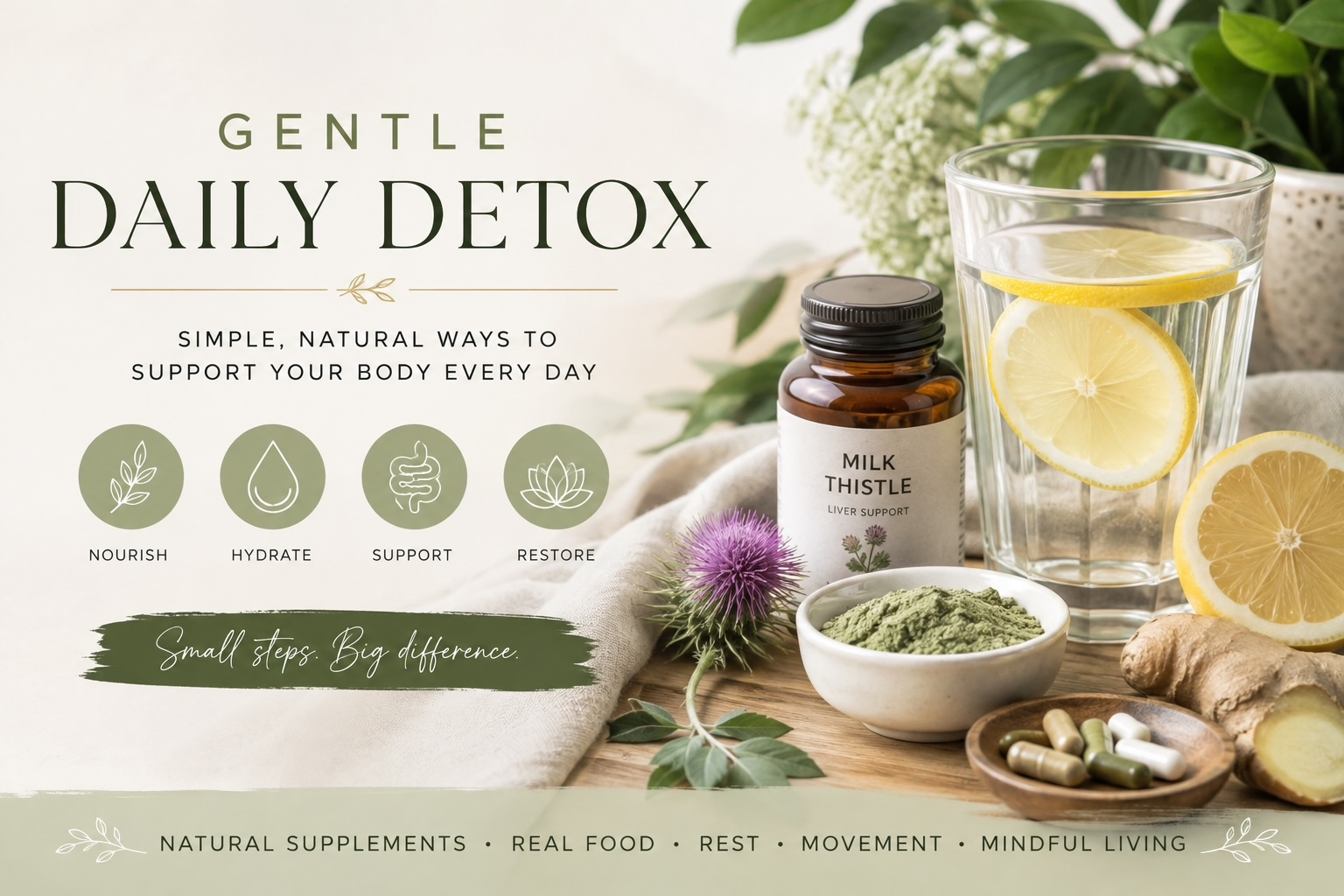
Some detox protocols, such as the Andrew Cutler method, are very harsh on the body, causing many debilitating symptoms. We prefer to gently detox daily after a hair analysis test, which is a good way to measure toxins in the body.
Habits such as adequate hydration, eating fibre-rich foods, getting regular exercise, sleeping well, and eliminating alcohol will support your body’s natural regeneration.
Lemon
Start the day with the juice of half an organic lemon in water.
Read our previous post on making an adrenal cocktail.
Milk Thistle
Milk thistle is traditionally used to support healthy liver function. Its active compounds, collectively known as silymarin, have antioxidant and liver-protective properties that may help the liver perform its normal detoxification functions. It also assists with bile production
Glycine
Pesticide accumulation, including glyphosate (Roundup), binds to our essential trace minerals, causing mineral deficiencies that affect thyroid and hormone function.
Large doses of the amino acid powder glycine can displace glyphosate and remove it through the urinary tract.
Other benefits include increasing serotonin levels, improving the central nervous system, improving blood sugar regulation, and acting as a building block for collagen.
Improves sleep when taken in water before bed.
Take up to 10g per day. 1 tsp = 5g.
Silica
Horsetail Extract Tincture will remove aluminium and other heavy metals and arsenic.
Lugols Iodine
Lugols Iodine 12.5mg to 25mg daily.
Supports hormone regulation, immunity, thyroid function, and detoxification of mercury and radiation.
See our previous posts on the Iodine Protocol.
Vitamin C
Acerola powder is the natural form of Vitamin C, which is more easily absorbed by the body than the synthetic Ascorbic Acid, which should be avoided.
1-2 cups of baking soda 1- 2 cups of Epsom salts 1/2 cup bentonite clay 1 cup Borax soap
Relax in a hot bath for 20 minutes three times a week to detox yeast, radiation, and other toxins.
Baking Soda
1/2 to 1 teaspoon in a glass of water daily.
This alkalinises your body, improves digestion, decreases allergies, decreases inflammation, and may assist with kidney or bladder issues.
Kidney support is important because kidneys help to maintain pH balance in the body.
Probiotics
Make your own raw milk kefir or kombucha.
These help replenish your good bacteria in your digestive tract.
It takes approximately 4-6 weeks to see the full results.
Probiotics improve your immune system, improve digestion, decrease allergies, and improve mood by boosting serotonin levels.
See our previous posts on making your own kombucha and kefir.
NAC
NAC (N-acetylcysteine) is a modified form of the amino acid L-cysteine. It has been used in medicine for decades and is also widely available as a dietary supplement. Its main role is to help the body produce glutathione, one of the body’s most important antioxidants, which naturally lowers with age.
Glutathione helps:
Protect cells from oxidative stress
Support liver detoxification processes
Protect mitochondria
Support normal immune function
Help recycle vitamins C and E
About Rose
Rose is a Shamanic Practitioner offering in-person and distance Shamanic Healing Sessions and Shamanic Life Coaching, specialising in narcissistic abuse.
Rose works without hallucinogenic or psychedelic plant medicines. Instead, she uses an ancient drumming method to access this altered state of consciousness. A session may include a tailored combination of Power Animal Retrieval, Divination, Soul Retrieval, Energy Body Healing, Psychopomp, and Extraction to remove negative energy and blockages.
Each session with me includes Shamanic Subconscious Repatterning. A powerful system that changes the subconscious programmes that drive unwanted behaviour. This method heals trauma at its source, removes the self-limiting programme, and then rewrites a new way of being.
Shamanic Healing can be accessed face-to-face in the Rose Healing Room, Petersfield, East Hampshire or remotely through Distance Healing Sessions. Because the work is carried out in the Spirit Realm with the support of Rose’s Spirit Guides, the client does not need to be physically present in the same room. Distance sessions are narrated in real time, and clients receive an audio recording by email afterwards.
Directed and produced by Daniel Schmidt—a meditation and self-inquiry teacher and founder of the Awaken the World initiative—the Samadhi series is a set of four documentary films that use clear visuals and direct inquiry to explore sadhana: spiritual practice before and after awakening, and the shift from striving and self-improvement toward liberation and integration.
Explores maya—the “great forgetting” where we mistake conditioned identity, thought, and story for what we are. Its aim is less to teach concepts and more to push you toward direct recognition of “true nature” (what remains when the self-story relaxes).
Part two, reframes samadhi as a “turning inward”: withdrawing attention from objects (external phenomena, sensations, conditioned thoughts) toward consciousness itself. It also emphasizes the “perennial” thread across traditions—pointing to one truth discoverable within the heart of each person rather than owned by any one system.
Focuses on practice without making practice into another ego-project: it frames the path as a stripping away of illusion—“the path is you,” and obstacles are the places identification still hides. It also outlines two dimensions of practice: mindfulness and mental emptiness (stillness/absence of grasping).
The final episode goes deeper into sadhana (practice) across three stages: before awakening (piercing the illusion of the spiritual seeker), the “I” thought (how identity is assembled), and after awakening (practice as integration/liberation rather than striving). It explicitly frames sadhana as leading to awakening—and beyond awakening, to liberation.
What all four are aiming to achieve
Across the series, the goal is to shift you from thinking about spirituality to recognizing the ground of awareness directly by:
exposing the self-sense as a construction (maya),
redirecting attention from objects to consciousness itself,
clarifying practice as de-identification rather than self-improvement, and
maturing practice into liberation/integration (where the “seeker” pattern dissolves).
Eczema has been linked to dietary issues, a lack of good fats and oils in the diet, and a damaged gut. Triggers can include trauma, suppressive treatments such as antibiotics, and vaccination. Dietary errors must be corrected first before our vitality is able to heal the presenting symptoms. By following this plan for three months, you should start to see some measurable improvements.
Diet
Cut out white refined sugar, gluten, all processed foods, dairy, gluten, soy, nuts, eggs, bananas, and potatoes from your diet.
Once the eczema has healed, try re-introducing nuts, eggs, bananas, and potatoes and note any flare-ups.
Citrus fruits and tomatoes may also be triggers.
Cook from scratch, including protein and complex carbohydrates with every meal, including two vegetables.
Add garlic, grated frozen ginger, and chilli in some meals.
Never heat olive oil. Use Extra Virgin Olive Oil for pouring on salads only.
Use raw butter for spreading – Insigny Sainte Mere Unpasteurised Salted Butter is a good brand that can be found on Ocado or in Waitrose.
Avocados are a source of good fats.
Fish high in Omega-3 fatty acids and low in mercury include: anchovies, wild Alaskan salmon, sardines, herring, and freshwater trout.
Nutritional Oils
The best way to nourish the skin is from the inside, using good oils and fats in your diet.
Take daily:
Cold-Pressed Flaxseed Oil – 1 tsp.
Extra Virgin Olive oil – 1 dsp.
Vitamin E with mixed tocopherols.
Black Seed Oil – 1tsp.
Hemp Seed Oil.
Lifestyle
Cut out alcohol, caffeine, cigarettes, and street drugs.
Do not buy personal care products for the skin from supermarkets or pharmacies, as they will likely contain harmful chemicals such as sodium laureth sulphate or PEG, amongst other things.
Buy natural, handmade soaps from individual makers. Calendula or Goat milk soap can be calming for inflamed skin.
Practice regular yoga and breathwork to calm the nervous system.
Supplements
Star Flower Oil (more GLA than Evening Primrose Oil). Fish Oil in the form of Rosita Cod Liver Oil Capsules. Vitamin C in the form of Acerola Cherry Powder. Magnesium Complex Capsules reduce inflammation.
Gut Healing
There is a link between eczema and candida overgrowth.
Take Oregano Oil capsules three times a day for up to 3 months.
Include lots of garlic in your diet.
Add a tablespoon of Organic Apple Cider Vinegar with The Mother to a glass of water and drink first thing in the morning on an empty stomach. Do this for a maximum of three months.
Avoid any creams bought from the chemist, supermarket, or prescribed by a doctor.
Ensure the skin doesn’t dry out by using natural oils on the skin.
To nourish the skin, massage with Johoba Oil or Sweet Almond Oil with a couple of drops of Lavender Oil or Chamomile Oil.
Chickweed Balm is very calming and protective.
Shea Butter can be mixed with essential oils.
Pure Lanolin, derived from sheep wool, is a powerful, natural moisturiser closely resembling human skin oils.
Aloe Vera gel is soothing.
Detox
Add three handfuls of Epsom salts and some drops of Lavender Oil to baths for a detox and magnesium boost.
Homeopathy
Constitutional treatment should be sought from a registered Homeopath.
These remedies can be used in the short term to relieve symptoms whilst you are working on healing through nutrition. Buy 30c strength in size 6 pillules from Helios.
Petrolium 6c – cracks at the corner of mouth, skin rough and red.
Sulphur 6c – cracking in folds of skin, especially if complicated by fungal infection, very itchy, symptoms aggravated by washing.
Graphites 6c – cracking in nostrils, on lips, behind ears, on nipples, or fingertips.
Silicea 6c – Cracks on finger-tips become deeper in cold weather and are slow to heal, sweaty hands and feet.
When an illness is persistent and debilitating, it can be a very strong signal that there is a deeper root cause. Deep-seated emotional and energetic factors can manifest as serious physical issues.
Often, healing cannot occur on the physical plane until any spiritual blockages have been removed.
If changes in diet and lifestyle for at least six months make no difference, it is a sign that the root cause isn’t originating on the physical plane, and we must consider the possible energetic and spiritual origins.
1. Suppressed Negative Emotions It could be the expression of deeply suppressed negative emotions absorbed from the environment or past experiences.
2. Past Life Trauma Negative trauma from past lives can leave an energetic imprint which carries over into the present life like an old programme that is still running in the subconscious.
3. Attachments Attachments in the energetic field can negatively influence the host, creating irritation as they extract life force.
These toxic energies can accumulate, weakening the body and preventing it from healing itself.
Shamanic Healing will promote healing on a spiritual level by removing past life trauma, negative energy trapped in the body, or entity attachments feeding on your life force energy.
Schools in England are using school assemblies to brainwash our teens into getting the HPV vaccine by over-inflating the efficacy of the vaccine and inflating the risks of Human Papillomavirus (HPV). And shockingly, those children who say they don’t want it are being offered one-to-one chats to further manipulate and coerce them. As a result, many girls are under peer pressure to get the ‘cancer jab’ because they think they will die if they don’t. The HPV vaccine is now being given to boys as well as girls, which presents an even greater risk to the health of our teenagers.
Any discussion about vaccine efficacy and safety is frequently viewed as an unwanted challenge, but each vaccine is different, and people should be aware of the issues around all pharmaceuticals so they can make a fully informed choice. Sadly, our teenagers are not being informed about the risks of the HPV vaccine.
Questions to Consider
Before exposing your teen to the potentially debilitating side effects of the HPV vaccine, please ask yourself the following questions:
Do you have evidence that HPV causes cervical cancer?
Do you have evidence that vaccines prevent cervical cancer?
Does your teen have unprotected sex?
Have you researched the side effects of HPV vaccines?
Have you watched the film Sacrificial Virgins?
Facts
HPV has not been proven to cause cervical cancer.
90% of HPV infections are harmless.
HPV is a sexually transmitted disease that can be prevented with condoms.
Vaccines have not been proven to prevent cervical cancer.
HPV vaccines have serious side effects.
The HPV vaccine includes particles of sexually transmitted viruses.
The immune system can be supported to protect against cancer with good nutrition.
Cervical Cancer Risk Factors
Schools are also not informing teenagers about the risk factors for cervical cancer: smoking, unprotected early sex, prolonged use of the contraceptive pill, and a reduced immune system, which can be caused by vaccines and poor nutrition. All of these can be avoided with better information about health and without reliance on a risky vaccine.
Cancer Theory
In addition, the claim that the HPV virus is responsible for cancer remains a theory. Levels of the virus are claimed to be reduced following vaccination, but the FDA says it will be ‘many years before any impact is seen’, because the virus may not lead to cancer.
Sadly, Denmark has found that cervical cancer has actually increased since Gardasil, and so they have stopped using it and have reverted to the original Cervarix brand. Both vaccines are associated with high adverse reactions, but Gardasil is far higher, with more reports to the MHRA than any other vaccine.
Vaccine Side Effects
The evidence of severe adverse events linked to the HPV vaccine is contained in 97 abstracts from scientific studies listed by GreenMedInfo:
Autoimmune dysfunction
Cognitive dysfunction
Neuropathic pain and fatigue
Premature ovarian failure
Lower fertility in vaccinated females
Graves’ Disease following the quadrivalent HPV vaccine
Crohn’s and Colitis disease incidence increased
Guillain-Barré syndrome (paralysis) increased after Gardasil vaccination
Increase in moodiness, depression, and uncharacteristic anger
Cognitive dysfunction
Increase in incidence of cervical lesions.
27% miscarriage rate
61% experienced an adverse reaction after one dose of the HPV vaccine
Of 195,270 women who received the HPV vaccine, 958 were hospitalized, and 19,351 had an emergency department visit within 42 days of immunization.
The HPV vaccine includes particles of sexually transmitted viruses, which are now being injected into an entire generation of chaste, young girls and boys with unknown consequences.
Is it worth the risk, given that the Vaccine does not have a therapeutic effect in those with preexisting HPV, and many young women acquire and clear HPV naturally?
“Kidney stones, miscarriages, hydrocephalus, brain lesions, and death are among the list of side effects they never could have anticipated and certainly were never informed about. The HPV vaccine was introduced in 2006, and by 2018 there had been a 50% drop in teen pregnancy…a 50% drop over 10 years suggested to us that something was very wrong. The ER visits, hospital stays, and funerals were the last thing on any of their minds before going to get their Gardasil shots. The immense suffering of these nine young men and women is incessant for both them and their families years after having their last injection.”
https://lionessofjudah.substack.com/p/the-war-on-fertilty-the-hpv-vaccine
Warning
The CMSRI – Children’s Medical Safety Research Institute warns:
“The human clinical trial data for the two HPV vaccines currently on the market reveal a troubling safety profile that requires an accurate reevaluation of the risks and benefits. The HPV vaccines do not replace currently available methods for screening or treating cervical cancer, and their effectiveness in preventing any cancer death will not be known for several decades. Given that the death rate from cervical cancer in 9 to 20-year-old girls is zero, the short-term risks from the vaccine to otherwise healthy individuals seem to significantly outweigh the as yet unproven long-term benefits (Gerdhaus and Razum, 2010; Tomljenovic and Shaw; 2012b; Tomljenovic et al., 2013).“
Gardasil
By March 2013, less than seven years after Gardasil was licensed in the United States, more than 26,000 adverse reaction reports were filed with the federal government. In the case reports submitted to the FDA, many of the vaccine recipients were stricken with serious and life-threatening disabilities, including Guillain-Barré syndrome, paralysis, loss of consciousness, seizures, convulsions, swollen body parts, chest pain, heart irregularities, kidney failure, visual disturbances, arthritis, difficulty breathing, severe rashes, persistent vomiting, miscarriages, menstrual irregularities, reproductive system complications, genital warts, vaginal lesions and HPV infection —the main reason to vaccinate.
More than 10,000 teenage girls and young women were rushed to the hospital for debilitating ailments following their HPV shots, and at least 120 young ladies died. Despite these danger signs, this vaccine remains on the market.
HPV is Harmless
Vaccine efficacy may be specious. For example, scientists presume that certain “surrogate markers” or “precancerous lesions” precede cervical cancer. With the HPV vaccine (Gardasil), they simply compared the number of these markers in women who received the vaccine to the number of these markers in women who received the placebo. However, in more than 90 per cent of cases, HPV infections are harmless and go away without treatment. The body’s own defense system eliminates the virus. Often, women experience no signs, symptoms or health problems.
Deceptive Marketing
Vaccine efficacy may be deceptively marketed. When the new HPV vaccine was first introduced, it was promoted as 100 per cent effective. Thus, most people innocently assumed that if females took the HPV vaccine, there would be no chance that they could ever be stricken with cervical cancer.
Yet, numerous strains of HPV have been identified. The vaccine is only “100 per cent effective” against two of these cancer-causing strains — not against cervical cancer itself. No actual cases of cervical cancer were prevented in any of the test subjects in any of the clinical studies of the HPV vaccine. In fact, during pre-licensure studies, 361 women who received at least one shot of Gardasil went on to develop precancerous lesions on their cervixes within three years.
Serious Side Effects
The vaccine Gardasil for HPV is associated with serious side effects, enough for Japan to suspend this for the second year running, Denmark to recently stop using it and for the European Medicines Agency to open a review of the safety of Gardasil. Stories are similar around the world, and class actions are being taken in several European countries, with support groups for victims opening in Ireland, the UK and abroad.
Although the NHS say that there has been no change in ME / Chronic Fatigue (CFS) symptoms since the vaccine was introduced, the HPA lead researcher said that there is no comparative evidence to support this claim. There are also currently no figures for long-term absence from school after Gardasil, and tragically, Yellow Card reports are never followed up, so it is hard to judge the seriousness of these problems. According to the groups around the world, set up by parents to support the girls, there are no reports of any of these cases improving to normal. Girls are on various medications, and doctors are unable to diagnose or support them.
The girls who are suffering serious long-term side effects, which are confining some to wheelchairs, are the most sporty, which is understandable due to the high histamine after exercise, added to the histamine in the vaccine.
Sacrificial Virgins
The effects of the HPV vaccine have been documented by parents in a film available on this website www.sacrificialvirgins.org
Not for the Greater Good: Is the next Thalidomide-style scandal about to break? How young girls are being seriously damaged by the vaccine, with the highest reported adverse reactions of any existing vaccine.
CBD Oil
For those who have already been damaged by the vaccine, a study has found that CBD-enriched hemp oil may help reduce any adverse effects.
In 2017, a pharmacist presented the issues with HPV and cervical cancer. “HPV not proven to cause cancer”. How many girls have had their lives destroyed in the past eight years?
Remote excitation of nanotech chimeric pathogens using electromagnetic frequencies using blood as the energy signature that emits its electromagnetic fields, meaning those most prone to these are those who are lower frequency and pure RH+. Those least affected will be the AB- the new controllers of the system.
I researched the risks of electromagnetic fields to human health almost 20 years ago, when I started researching the dangers of vaccines, and I’ve vastly limited my exposure to EMFs and focussed on grounding techniques. Standing on the Earth and using a grounding sheet on the bed at night are two easy ways to keep plugged into the Earth’s frequency for health benefits. Interesting that over that time, they’ve brought vaccines and frequencies together now as a dual weapon.
– Stop using wifi and use Ethernet.
– Buy devices that run with Ethernet.
– Buy an ethernet dongle and a long cable for your phone.
– Switch off your mobile phone when it is in a pocket or bag.
– Don’t speak with the phone to your head, use the speaker.
– Switch off the Bluetooth and wifi capabilities on both your phone and your computer and other devices. Only switch those on if you need to for short periods.
– Keep all tech out of the bedroom and charge devices downstairs.
– Turn the router off at night if you use it during the day.
– Wear an EMF protective hat when you are on trains, etc, buy on eBay.
– Get rid of your smart meters.
Sadly, false claims are circulating on social media that grounding sheets pull the EMF out of the air and into the body. This claim is unfounded. Remember that there is a lot of disinformation intended to prevent us from accessing this beneficial source of energy.
“There is some confusion surrounding the topic of electromagnetic fields (EMFs) and Earthing. Some people are afraid that their Earthing sheet will attract EMF frequencies like an Antenna. However, this would be impossible because, in order for an antenna to work, it cannot be grounded. Whenever you are grounded, your skin effectively produces a ‘Faraday cage’ effect and will repel electromagnetic fields (EMFs) coming from the external environment. This effect can be demonstrated with a quick multimeter test measuring body voltage before and after touching the Earthed surface.
This is also known as the “umbrella effect”, discovered by Nobel Prize winner Richard Feynman. Feynman explains; when the body’s potential is the same as the Earth’s electric potential (and thus grounded), it becomes an extension of the Earth’s gigantic electric system. The Earth’s potential thus becomes the “working agent that cancels, reduces, or pushes away electric fields from the body.”
In addition, it is not possible for EMFs to be ‘pulled’ or ‘attracted’ as EMFs do not have electric charges. They cannot be attracted to anything. They simply radiate outward to infinity from an emitting source, such as electric wires, appliances, and phone masts.” https://rowlandearthing.co.uk/pages/faqs
The Serum Iron tests done by your GP or hospital are not very comprehensive as they only test for Iron in the blood, not the four additional markers that will give you a full picture of your iron status. Start by doing the five-point iron test from Medichecks https://www.medichecks.com/products/iron-deficiency-check-blood-test which you can do at home with a finger prick which includes the following:
Serum Iron
TIBC
Transferrin saturation
Ferritin
Ferritin, which is storage iron, alone is not adequate. While low Ferritin can occur with low Iron, low Ferritin can also occur with high Iron due to the MTHRF mutation, which causes the body not to break down the Iron for use, so it goes higher than it should and storage iron goes down.
Ensure that you stop taking Iron supplements for five days to see your true iron levels.
Optimising your iron levels is essential for optimal thyroid function. If Iron is low you will struggle with low energy on any form of thyroid medication as it will cause high Reverse T3. Additionally, low Iron will also lower cortisol levels.
Low Iron test results will result in symptoms that mimic hypothyroidism such as depression, achiness, easy fatigue, weakness, faster heart rate, palpitations, loss of sex drive, hair loss and/or foggy thinking, etc, causing a patient to think their thyroid medication is not working.
High Ferritin can point to inflammation and high Ferritin, high Serum Iron, and high Saturation can be an indicator of hemochromatosis, a genetic mutation.
It is essential to pay attention to Gut Healing because being hypothyroid can result in low stomach acid production, leading to malabsorption of iron. Additionally, candida overgrowth or leaky gut can also lead to low iron.
Gluten intolerance can cause inflammation which may also contribute to lower iron, so reducing grains and using alternatives such as Spelt may help.
Additionally, MTHFR, the inability to convert B-Vitamins in food to the active form may cause High Iron with Low Ferritin and TIBC in around 330 or higher. Stop the Thyroid Madness recommends a TIBC in the low 300’s.
Iron Supplements
Do not supplement Iron without having had your five test results indicating that you require it because Iron can become extremely toxic to every organ in the body. Iron supplements can potentially lead to hidden inflammatory conditions.
Iron tablets prescribed by your GP or hospital are the worst supplements you can take for your health. Stop taking Iron supplements because Fe shuts down Copper metabolism causing Iron toxicity and oxidisation of the liver compromising liver function. High Iron can lead to high oestrogen.
Eating calves liver is the best way to boost bioavailable copper, iron, and folate. But if you don’t like eating liver you can blend small pieces into a smoothie.
If you want to take a supplement Organic Beef Liver capsules are the best. Iron Bisglycinate causes less consitpation than standard iron tablets, and there is also Ferric Pyrophosphate or SunActive Iron, and Proferrin ES Heme Iron Polypeptide. You can also try vegetable based nonheme liquid iron which is less absorbable than animal based iron so you may need to take more.
You would need to take 150 to 200 mg of elemental iron daily, spread over three times a day with meals. Check the label to see how much ‘elemental iron’ is in each capsulre or tablet.
Avoid taking Iron supplements at the same time as thryoid mediction, as the Iron wil bind to some of the thyroid hormones.
Food Sources of Iron
Here are the top healthy iron-rich foods:
Spinach
Liver
Lentils
Spirulina
Sardines
Black Beans
Pumpkin Seeds
Tofu
Beef
Eggs
If you’re looking to naturally increase your iron levels, here are some effective dietary and lifestyle changes you can make:
1. Eat Iron-Rich Foods
There are two types of dietary iron:
Heme iron (easily absorbed) – Found in animal-based foods.
Non-heme iron (less easily absorbed) – Found in plant-based foods.
Whole grains (quinoa, fortified cereals, oats, brown rice)
Dried fruits (apricots, prunes, raisins)
Dark chocolate (at least 70% cacao)
2. Pair Iron with Vitamin C for Better Absorption
Vitamin C enhances the absorption of non-heme iron. If using a supplement use Acerola powder. You can also try combining iron-rich foods with:
Citrus fruits (oranges, lemons, grapefruits)
Bell peppers
Strawberries
Tomatoes
Pineapple
Kiwi
Example Meal Idea: Lentil salad with lemon juice or sautéed spinach with red bell peppers.
3. Avoid Iron Blockers at Mealtime
Certain foods and drinks inhibit iron absorption, especially when consumed with iron-rich meals:
Tea & Coffee (high in tannins, which reduce absorption)
Calcium-rich foods (milk, cheese, yogurt)
Tip: Drink tea/coffee at least 1-2 hours before or after meals to maximize iron absorption.
4. Cook with Cast Iron Cookware
Cooking acidic foods (like tomato sauce) in a cast iron skillet can increase the iron content of your meals by transferring small amounts of iron into your food.
5. Try Natural Iron-Boosting Herbs
Certain herbs and natural remedies can support iron levels:
Nettle tea – High in iron and vitamin C
Dandelion root – Supports iron absorption
Yellow dock root – Traditionally used for iron deficiency
Moringa powder – Extremely rich in iron and vitamins
6. Optimize Gut Health
A healthy gut ensures better nutrient absorption. Support digestion with:
Probiotic foods (yogurt, sauerkraut, kimchi)
Prebiotic foods (garlic, onions, bananas)
Apple cider vinegar (can help with stomach acid production for better iron absorption)
7. How Much Iron do I Need?
The amount of iron you need changes based on your age. The recommended daily amounts of iron are as:
I am not a big fan of taking lots of supplements in capsule or tablet form, so I’m being more creative and taking my herbal medicine in herbal teas throughout the day.
There are many different brands of herbal tea. I focus on organic loose-leaf tea, or organic teabags with paper bags that don’t contain microplastics such as Yogi Tea, Clipper, Health & Heather, or Dragon Fly. If you can find a loose-leaf herbal tea seller or herbalist in your locality, all the better.
As a caffeine substitute, you can try Rooibos, Jasmine Green Tea, or Cacao Powder in Almond Mylk.
In our toxic world, one thing we can address through herbal teas is detoxing. There are several herbal teas known for their detoxifying properties, helping to support the liver, kidneys, digestion, and overall elimination of toxins. Here are some of the most effective ones:
Liver & Digestive Detox Teas
Dandelion Root Tea – Supports liver function, stimulates bile production, and aids digestion.
Milk Thistle Tea – Contains silymarin, a compound that protects and regenerates liver cells.
Burdock Root Tea – A powerful blood cleanser and liver detoxifier, also supports skin health.
Turmeric Tea – Anti-inflammatory, supports liver detoxification, and enhances bile flow.
Ginger Tea – Aids digestion, reduces bloating, and supports the elimination of toxins.
Kidney & Urinary Detox Teas
Nettle Leaf Tea – Acts as a diuretic, flushing out toxins through the kidneys.
Parsley Tea – Helps cleanse the kidneys and promotes urinary tract health.
Corn Silk Tea – Traditionally used to support kidney function and reduce water retention.
Blood Cleansing & General Detox Teas
Red Clover Tea – Known for purifying the blood and supporting the lymphatic system.
Chicory Root Tea – Supports liver detox and acts as a mild diuretic.
Licorice Root Tea – Helps reduce inflammation and supports adrenal health during detox.
Lymphatic & Skin Detox Teas
Cleavers Tea – Excellent for lymphatic drainage and skin detox.
Hibiscus Tea – Rich in antioxidants, supports kidney function, and helps remove excess fluids.
Peppermint Tea – Supports digestion and helps clear toxins from the system.
Best Practices for Herbal Detox Tea Use
Drink 1–3 cups per day depending on the herb’s potency.
Cycle herbs to prevent overuse of one type (e.g., use dandelion for a few weeks, then switch to nettle).
Support detox with hydration—drink plenty of water.
Pair with a clean diet (plenty of filtered water, whole foods, less processed sugar, and alcohol).
Let me know your suggestions and results in the comments. 🙂
What does it mean if my scobie drops to the bottom of my kombucha jar?
If your SCOBY (Symbiotic Culture of Bacteria and Yeast) drops to the bottom of your kombucha jar, it’s usually not a cause for concern. It may sink for the following reasons:
New Batch / Freshly Added SCOBY
If you’ve just started a new batch or transferred a SCOBY to fresh tea, it often sinks because it’s adjusting to the environment. Over time, it may float back up.
Temperature Changes
If the tea is colder than the SCOBY, it might sink at first. Once fermentation starts, the gases produced by the yeast may lift it.
New SCOBY vs. Old SCOBY
Sometimes, the original (mother) SCOBY sinks while a new baby SCOBY forms at the top. This is normal and a good sign of fermentation.
Lack of Carbonation
If the yeast is not producing enough CO₂, the SCOBY won’t have enough buoyancy to stay afloat.
Weaker or Older SCOBY
An older SCOBY may not be as active and could remain at the bottom. As long as you still see a new SCOBY forming on the surface, your brew is healthy.
What to Do?
Nothing, if everything else looks good (no mould, normal fermentation bubbles, slightly tangy smell).
If fermentation seems sluggish, try keeping your jar at a stable warm temperature (75-85°F / 24-29°C).
If you’re unsure, taste-test after 7-10 days to check if fermentation is progressing.
A sinking SCOBY is not usually a problem—it’s just adjusting! Keep an eye on the formation of a new baby SCOBY on the surface.
Kombucha is a fermented tea that contains beneficial bacteria, yeast, and organic acids that support digestion and boost the immune system. Many people choose to include Kombucha as an alternative to probiotic capsules due to its potential health benefits, particularly for gut health and overall well-being. As well as being a delicious cold drink, it is also very cost-effective if you make it yourself.
Probiotics for Gut Health Kombucha contains probiotics, or live beneficial bacteria, which help to balance the gut microbiome. A healthy gut is important for digestion, nutrient absorption, and immune function.
Antioxidants Kombucha, especially when made from green tea, contains antioxidants that help fight free radicals in the body. Antioxidants may reduce inflammation and support overall health.
Detoxification Kombucha contains organic acids including acetic acid and gluconic acid, which support the body’s detoxification processes by promoting liver function and helping to eliminate toxins.
Improved Digestion
The probiotics and organic acids in kombucha aid digestion by supporting the breakdown of food and promoting healthy gut flora.
Immune Support
A healthy gut is closely linked to a strong immune system. By promoting gut health, kombucha may indirectly help support the immune system.
Natural Energy Boost
Kombucha contains B vitamins, which may provide a natural energy boost without the crash associated with caffeinated and sugary drinks.
Common Bacterial Strains in Kombucha
Kombucha contains a variety of bacteria and yeast strains that develop during the fermentation process. These microorganisms create the symbiotic culture of bacteria and yeast (SCOBY) that ferments the tea and produces the unique taste and potential health benefits of kombucha. While the exact strains can vary, some of the most common bacterial strains found in kombucha include:
Acetobacter Xylinum (or Gluconacetobacter Xylinus) This is one of the dominant strains in kombucha, responsible for producing acetic acid (which gives kombucha its tangy flavor) and cellulose, which forms the structure of the SCOBY. Acetic acid is known to have antibacterial properties, which may help limit harmful bacteria in the gut. The production of cellulose can help maintain the structural integrity of the SCOBY.
Lactobacillus Species Lactobacillus is a lactic acid bacterium that converts sugars into lactic acid, contributing to the slight sourness of kombucha. Lactobacillus is one of the most well-known probiotic bacteria, promoting gut health by supporting digestion, balancing gut flora, and potentially enhancing the immune system.
Acetobacter Pasteurianus This bacterium helps convert ethanol (produced by yeast fermentation) into acetic acid, giving kombucha its vinegar-like flavour. Acetobacter strains, through their production of acetic acid, contribute to gut health by creating an environment that supports the growth of beneficial bacteria.
Gluconobacter Oxydans Gluconobacter species convert sugars into organic acids such as gluconic acid and acetic acid during fermentation. Organic acids produced by Gluconobacter may help promote detoxification by supporting liver function and promoting the body’s elimination of waste.
Benefits of Bacteria in Kombucha
Probiotic Effects: Some of the bacterial strains in kombucha, such as Lactobacillus, are known probiotics. They can help support a healthy gut by improving digestion, maintaining the balance of good bacteria in the intestines, and preventing the overgrowth of harmful bacteria.
Antibacterial Properties: The acetic acid produced by some strains (like Acetobacter species) has antimicrobial properties, which can help protect the gut from harmful pathogens.
Digestive Health: The live cultures in kombucha may aid in the digestion process by breaking down food more efficiently and supporting a balanced microbiome, which is crucial for nutrient absorption and gut health.
Immune Support: By promoting a healthy gut environment, the probiotics in kombucha can also indirectly support the immune system, as much of the immune system is closely linked to gut health.
Yeast in Kombucha
In addition to bacteria, kombucha also contains yeast strains such as Saccharomyces Cerevisiae and Zygosaccharomyces Bailii, which play a key role in the fermentation process by converting sugars into ethanol and carbon dioxide.
The yeast in kombucha plays a crucial role in the fermentation process, contributing to both the flavor and potential health benefits of the drink. While the primary focus of kombucha’s health benefits is often on its probiotics (beneficial bacteria), the yeast strains also provide several advantages.
Fermentation and Probiotic Benefits
Yeast in kombucha, such as Saccharomyces and Zygosaccharomyces, works alongside bacteria to ferment the sugars in the tea, creating the unique, fizzy, slightly sour drink.
During fermentation, yeast converts sugar into alcohol, which is then further converted by bacteria into acetic acid. This balance is important for the probiotic activity of kombucha.
Some yeast strains, particularly Saccharomyces boulardii, are known to have probiotic properties themselves and may help balance gut flora, similar to probiotic bacteria.
Digestive Health
Certain yeast strains in kombucha, like Saccharomyces boulardii, have been studied for their role in improving gut health. They can help with digestion by maintaining healthy intestinal flora, promoting nutrient absorption, and preventing the overgrowth of harmful bacteria.
Saccharomyces boulardii is particularly known for its ability to reduce diarrhea, especially in cases of antibiotic-associated or traveler’s diarrhea, by restoring the balance of beneficial microorganisms in the gut.
Boosting Immune Function
Yeast in kombucha contributes to gut health, which is closely linked to a strong immune system. By helping balance the gut microbiome, yeast indirectly supports immune function.
Some research suggests that probiotics, including yeast, may stimulate the body’s natural immune response, making it more efficient in defending against pathogens.
Detoxification Support
Yeast strains in kombucha contribute to the production of organic acids, such as gluconic and acetic acid, which may support the body’s natural detoxification processes. These acids can help the liver in processing and eliminating toxins more effectively.
Nutrient Production
Yeast contributes to the production of B vitamins, particularly B1 (thiamine), B6, and B12, during the fermentation process. These vitamins are essential for energy production, metabolism, and maintaining healthy skin, nerves, and muscles.
Maintaining Balance in the Fermentation Process
Yeast helps control the growth of unwanted microorganisms by maintaining an acidic environment during fermentation. This natural process helps preserve kombucha and prevent contamination from harmful bacteria.
Support for Gut Microbiome
The yeast and bacteria in kombucha work synergistically to promote a healthy gut microbiome, which is vital for digestion, mood regulation, immune health, and overall well-being.
Key Yeast Strains in Kombucha:
Saccharomyces cerevisiae: Known for its probiotic benefits, this yeast helps convert sugars into alcohol during fermentation, which bacteria then turn into acids.
Zygosaccharomyces bailii: This yeast is highly tolerant of the acidic environment of kombucha and plays a role in the fermentation process by breaking down sugars and producing carbon dioxide (fizz).
Saccharomyces boulardii: Though not always present in kombucha, this probiotic yeast is sometimes found in the drink and is well-known for its digestive and immune benefits.
The yeast in kombucha contributes to fermentation, probiotic activity, digestive health, immune support, and nutrient production. While yeast is often overshadowed by bacteria in discussions of kombucha’s benefits, it plays a crucial role in making the beverage both enjoyable and potentially beneficial for gut health and overall well-being.
Kombucha Brewing Instructions
1 x Scoby (Kombucha Culture) stored at room temperature in 250ml of the last brew. Buy on eBay.
1.5 litre glass container
Tight weave cotton or muslin cloth and elastic band to cover the jar
3-4 Organic Green Tea bags
80 – 100 g Billingtons Organic Molasses Sugar / Billington’s Organic Unrefined Natural Granulated Cane Sugar (contains all the minerals removed by the refining process of white sugar)
Stage One: Preparation
Boil the kettle (stainless steel or glass is best to avoid toxins leaching from plastic)
Add 3 or 4 tea bags to the glass jar
Add 100 g of unrefined cane sugar (you can experiment with amounts)
Pour the boiling water into the glass jar
Allow the tea bags to steep for 30 mins
After 30 mins, remove the tea bags
Leave the tea to cool
Stage Two: Fermentation
Place the Scoby on top of the mixture (lightest side upwards)
Add the liquid from the last brew
Place the cloth over the top of the container and secure with an elastic band
Brew at a constant 20-23C (in the airing cupboard is ideal)
Brew for 3 to 18 days; the longer, the more sour and less sweet it will become. Taste it at regular intervals, aiming for a sour/tart taste similar to apple cider vinegar.
Sage Three: Second Fermentation
When it is ready, pour 1/4 of the brew (around 125 to 250ml) into a coverable container. Add the Scoby so it is covered by the liquid. Keep it at room temperature for up to five days until you are ready to make another batch.
You can add fruit, fruit juices, herbs, or spices to create a variety of different drinks. Pour into a glass bottle with a screw cap and store in the fridge. Open the bottle regularly to let out the fizz to avoid explosions!
Share your kombucha brewing experiences in the comments; I’d love to hear about your flavours.
If you need support with gut healing, book a Lifestyle Medicine session to improve your energy, creativity, and mood for optimal performance.
It is elderberry season here in England and traditionally our ancient ancestors would have used them to make a delicious immune-boosting medicine made with honey and herbs, which you can also use as a topping for pancakes and waffles.
The cooked berries of the elderberry plant (Sambucus nigra) are considered beneficial for health because they are rich in vitamins, antioxidants, and flavonoids.
Some of the potential benefits of elderberry syrup include:
Immune Support: Elderberries are high in vitamin C and antioxidants, which can help strengthen the immune system. It’s commonly used as a remedy to help reduce the severity and duration of colds and flu.
Antiviral Properties: Studies suggest that elderberry extract may help block viruses from entering cells, potentially shortening the duration of cold or flu symptoms.
Anti-inflammatory: The antioxidants in elderberries may help reduce inflammation in the body.
Rich in Nutrients: Elderberries are a good source of fiber, vitamin C, and phenolic acids, which can help support overall health.
You can pick them fresh from the tree and use them immediately or freeze or dry them for use later. Make sure you separate all of the berries from the stems. Discard the stems and leaves.
Caution
Raw elderberries and other parts of the plant (like leaves and stems) are toxic and can cause nausea, vomiting, or diarrhea if not properly prepared.
Ingredients
What you need to make a single batch:
1 x large glass jar
4 x Tablespoons of local honey
400ml fresh or frozen elderberries
400ml filtered water
1 knob fresh ginger root
1 stick / 1 tsp cinnamon powder
1 tsp cloves or clove powder
339g local raw honey
Method
Pour water into a medium saucepan and add elderberries, ginger, cinnamon, and cloves.
Bring to a boil.
Mash throughout with a potato masher.
Cover and reduce to a simmer for about 30-45 minutes until the liquid has reduced by almost half.
Remove from heat and let cool until it is cool enough to be handled.
Mash the berries again.
Pour through a muslin placed in a sieve into a bowl or a wide jug.
Make sure you squeeze all the liquid out from the elderberries. Keep twisting the muslin to make sure it’s completely drained out.
Discard the elderberries.
Cover the bowl/jug with a clean muslin, and leave the liquid cool to lukewarm.
Put the honey in the jar.
Once cooled, pour the mixture into the jar and stir well until the honey is well mixed into the elderberry mixture.
Store in the fridge.
The honey acts as a natural preservative so it should last for several months in the fridge.
Usage
Take a dose daily on weekday mornings for its immune-boosting properties.
A standard dose is ½ tsp – 1 tsp for kids and ½ – 1 tablespoon for adults.
If the flu does strike, take the normal dose every 2-3 hours instead of once a day and rest until symptoms disappear.
Children love Nutella, but would parents give it to them if they knew the health and environmental consequences of the ingredients?
Palm Oil production is a leading cause of deforestation, particularly in tropical regions creating loss of biodiversity and land grabbing, where indigenous communities and small farmers are forcibly removed from their land without fair compensation.
Skimmed Milk Powder is processed by removing most of the fat from milk before it is dehydrated, causing the loss of good fats and fat-soluble vitamins such as A and D.
White Refined Sugar has over 100 negative metabolic consequences including high blood pressure, high cholesterol, heart disease, diabetes, weight gain, premature ageing and several important short-term effects including:
⇒ Suppression of the immune system impairing defences against infectious diseases.
⇒ Deficiencies in chromium and copper.
⇒ Malabsorption of calcium and magnesium which affects sleep and stress levels.
⇒ Rapid rises in adrenaline causing hyperactivity, anxiety, difficulty concentrating, and crankiness with drowsiness and decreased activity during the comedown.
⇒ Acidic saliva causing tooth decay, and periodontal disease.
⇒ Lower vitamin E levels which are essential for protecting the brain from toxins.
⇒ Reduced learning capacity; poor results and learning disorders.
⇒ Hormonal imbalances such as increased oestrogen in men (man boobs and infertility), exacerbating PMS in women, and decreasing growth hormone in children.
⇒ Worsening the symptoms of attention deficit hyperactivity disorder (ADHD).
⇒ Compromising adrenal gland function creating problems with stress management and adrenal fatigue.
Buy healthier versions or make your own using this recipe. Making your own chocolate spread at home is a fun and rewarding process, and you can control the ingredients to make it healthier or cater to dietary needs.
Homemade Chocolate Spread Recipe
Ingredients:
2 cups raw or roasted hazelnuts
1/4 cup raw cacao powder (unsweetened)
1/2 cup coconut sugar or unrefined raw cane sugar (or more to taste)
1/4 teaspoon sea salt or Himalayan pink salt
1 teaspoon vanilla bean pate or the seeds from a vanilla bean pod
2-4 tablespoons coconut oil
Instructions:
Roast the Hazelnuts:
If your hazelnuts are not already roasted, preheat your oven to 350°F (175°C).
Spread the hazelnuts on a baking sheet and roast them for about 10-15 minutes, until they are golden brown and fragrant. Be careful not to burn them.
Once roasted, allow the hazelnuts to cool slightly, then rub them in a clean kitchen towel to remove most of the skin (it’s okay if some skin remains)
Blend the Hazelnuts:
Place the roasted hazelnuts in a food processor or high-powered blender.
Blend the hazelnuts until they turn into a smooth, creamy nut butter. This may take several minutes, and you may need to scrape down the sides of the bowl occasionally.
Add Cocoa Powder and Sugar:
Once the hazelnuts have turned into a smooth butter, add the cacao powder, sugar, salt, and vanilla.
Blend until everything is well combined and the mixture is smooth.
Adjust Consistency:
Slowly add the oil, one tablespoon at a time, blending between additions until you reach your desired consistency. The oil helps to make it smooth and spreadable.
If you want a richer flavour, you can add melted 70% dark chocolate at this stage and blend it in.
Taste and Adjust:
Taste your homemade spread and adjust the sweetness or flavour as needed by adding more powdered sugar or cacao powder.
Blend again until smooth.
Transfer it to a jar with a lid. It can be stored at room temperature for up to two weeks, or in the refrigerator for longer shelf life. Note that if stored in the fridge, it may harden slightly and you may need to let it come to room temperature before spreading.
Tips:
Sweeteners: You can experiment with different sweeteners like honey, maple syrup, or molasses sugar. Keep in mind that liquid sweeteners may alter the texture.
Custom Flavors: You can customise the flavour with a pinch of cinnamon, a dash of espresso powder, or a hint of chilli powder for a unique twist.
Enjoy your spread on toast, in desserts, or with ice cream.
Here is a step-by-step guide to making a homemade glass cleaner using white vinegar and orange peel which is easy, cost-effective, and gives excellent results.
I started cutting out chemical cleaning products over 20 years ago since they are a major source of toxins which pollute our homes and harm the aquatic life in our waterways.
The health risks associated with common toxic household cleaning products include:
respiratory issues from ammonia, bleach, and Volatile Organic Compounds;
Skin irritation;
Eye irritation;
Cancer and hormone disruption.
But as prices continue to rise natural glass cleaning products such as Method are around £4.50 for 800ml, so I was looking for a cheaper alternative without resorting to chemicals.
I knew that white vinegar was a good all-round natural cleaning product as it is a major ingredient in many natural brands, so I decided to experiment with ways of making it smell better.
My local veg box delivery contains three organic oranges per week, so I wanted a recipe to recycle the orange peel. If you like a citrus smell you could also use lemon, grapefruit or lime peel according to what you have at home. Alternatively, you can try different combinations of essential oils.
You can reuse an old plastic trigger bottle or buy a reusable bottle. I bought a reusable glass bottle with a spray trigger from my local refill shop, Juniper on Lavant Street in Petersfield – https://www.juniperonline.co.uk
You will need:
An air-tight jar;
White vinegar;
Orange peel;
A sieve or muslin;
Water (optional);
Lemon or Lavender Essential Oil;
A spray bottle.
Instructions:
Prepare the Orange Peel
Peel a couple of oranges and remove as much of the white pith as possible using a small knife or peeler, so as not to make the final liquid cloudy.
Infuse the Vinegar
Place the orange peel into a clean glass jar.
Fill the jar with white vinegar until the peel is completely submerged.
Seal the jar tightly with a lid.
Steep the Mixture
Let the mixture sit for at least two weeks in a cool, dark place. This allows the essential oils from the orange peels to infuse into the vinegar.
Strain the Mixture
After two weeks, strain the vinegar to remove the orange peels using a fine-mesh strainer, muslin, or cheesecloth.
Dilute (Optional)
If you find the vinegar too strong for your liking, you can dilute it with water. A common ratio is 1 part infused vinegar to 1 part water. However, for tougher cleaning jobs, you might prefer using it undiluted.
Add Essential Oils
Depending on the base of your mixture you can experiment with different essential oils. With my orange base, I tried lemon and lavender.
Storage
Pour the strained (and possibly diluted) vinegar into a spray bottle.
Label the bottle and store it in a cool, dark place.
Using the Glass Cleaner
Spray the mixture onto glass surfaces.
Wipe with a clean, lint-free cloth or paper towel.
For best results, buff the glass with a dry microfiber cloth to prevent streaks.
Gently shake the bottle before each use to ensure the mixture is well combined.
An artificial sweetener containing Aspartic Acid 40%, Phenylalanine 50%, and Methanol 10%. Aspartic Acid is an excitotoxin which excites neurons to death causing nerve damage and triggering migraine headaches. Methanol is a cheap but deadly form of alcohol. phenylalanine and aspartic acid in the brain which increase cortisol levels and free radicals & cause neurophysiological symptoms including learning problems, headache, seizure, migraines, irritable moods, anxiety, depression, and insomnia. https://pubmed.ncbi.nlm.nih.gov/28571543/
Smart Meters
By emitting Radiofrequency (RF) radiation Smart Meters (AMI Meters) can cause migraine, tinnitus, insomnia, dizziness, anxiety, chest pain, palpitations, and memory loss.
Electrosmog
Wifi, Bluetooth, AirPods, all mobile phone signals, mobile data, 5G, and Radio-frequency (RF) radiation.
Lighting
LEDs in screens and lighting cause blue light. The flickering of fluorescent, strobes, and lasers. Use incandescent bulbs and blue light glasses and change the light level on your screens.
MSG
Monosodium Glutamate
Parasites
Dewormers: Wormwood, garlic, and papaya seeds.
Botox
Botulinum toxin (BTX) goes into your bloodstream and into your brain.
Full Moons
The moon pulls on the toxic buildup in the body.
Coffee
Synthetic Fragrances
Use essential oils, particularly Peppermint and Lavender which are soothing for headaches.
Solutions to Relieve Migraines
Earthing
Standing on the earth daily and fitting a grounding sheet to the bed.
Cayenne Pepper
Blend 1 whole organic lemon, 1 piece of fresh ginger, 1 pinch cayenne (up to 1/4 tsp), 1 pinch black pepper, 1 tsp curcumin, some raw honey & 16oz water. Banishes inflammation and is good for pain relief.
Herbs
Peppermint, Tulsi, Feverfew, Rosemary, and Willow Bark Tea. Tumeric and Shin Jyutsu.
CBD Oil
Cannabinoid deficiency has been linked to migraines.
Hydrogen Peroxide
Hydrogen Peroxide Oxygen Therapy with food grade 3% HP is highly therapeutic, naturally produced by the earth, and has many medicinal benefits including curing migraines.
Homeopathy
Usually taken in the strength of 30c in the small pillule format. Buy online from Helios https://www.helios.co.uk. Always seek professional homoeopathic treatment if symptoms persist.
MAG PHOS is the Number One Remedy for camping pains. Known as the homoeopathic aspirin. Very effective if crushed in warm water and sipped. Useful for neuralgia of the head and face, cramping or shooting pains. Relieves headaches; toothaches; and menstrual pain. Those who respond well to this remedy may be sensitive or nervous types who often talk about their pains. Better: heat; firm pressure. Worse: cold; uncovering; touch.
Cocculus Indicus is also useful in headaches due to loss of sleep, mental excitement, grief, anxiety, or vexation. Headache starts at the nape of the neck and occiput and then extends to the spine. Pain as if a tight cord is bound around the head with a sense of emptiness in the head. Pain is worse on lying down and while riding.
Ignatia for headaches caused by emotional stress.
Nux vom for headaches caused by overindulgence or stress (after a party).
Nux vom or pulsatilla for migraine.
Aconite for a sudden headache, that feels worse for cold, and is characterised by a tight band around the head.
Apis for stinging, stabbing or burning headaches where the body feels tender and sore.
Belladonna, for throbbing, drumming headaches with a flushed face.
Bryonia for sharp stabbing pain when the eyes are moved.
Hypericum for a bursting, aching headache with a sensitive scalp.
Ruta for a pressing headache caused by fatigue, and made worse by reading.
This post is a compilation of the notes I took a few years ago when I was resolving some major health issues with the Root Cause Protocol. I review the benefits of bioavailable copper from food sources compared with the metal itself which can become toxic when ingested.
This post is intended to empower you to resolve your own health issues, but if you would like support please go to the Wellness Coaching page for further information on how I can help.
Copper is a friend to us in the form of electroculture, when it supports the growth of plants in the garden, and also when it is in the bioavailable form in natural foods that our bodies can easily process.
As with all minerals, copper comes in different forms so it is not a simple case of toxicity or deficiency. Bioavailable forms are healthy, while the toxic forms are unhealthy. Most people have an excess of toxic copper whilst being deficient in bioavailable copper.
Copper is our friend when we take it in the form of bioavailable copper. Morley Robbins says that we can’t live without bioavailable copper because it drives over 30 different enzymes that are essential to life including lysyl oxidase, beta dopamine hydroxylase, diamine oxidase, cytochrome c oxidase, and ascorbate oxidase. Additionally, 150-200 methyltransferase enzymes run our methylation pathways and drive the genetic machinery of our cells.
At normal levels, copper is a superhero, but when in overload it blocks zinc, iron, and magnesium, and oxidizes vitamins C, E, folic acid, and thiamine causing many health problems.
Copper is a heavy metal and becomes toxic when it accumulates in high quantities and it is one of the metals removed by a heavy metal detox.
Electro Culture
The metaphysical properties of copper have dramatic effects on the growth of plants in the garden. This is due to the excellent conductivity of the metal, enabling it to channel good energy from the air.
Electro culture is the ancient practice of applying atmospheric electricity to plant life using copper, orgonite, and crystals to harvest the earth’s atmospheric energy.
This energy is always present and all around us also known as Chi, Prana, Life force, and Aether. This was presented in 1749 by Abbe Nollett, in the 1920s by Justin Christofleau, and in the 1940s by Viktor Schauberger.
Copper is used because it is an excellent conductor of this good energy. By utilising the energy in the air via copper, we can increase the size of plants in the garden. Putting some copper wire sticks in the garden can help plants grow bigger and faster. Copper amplifies the energy in the environment and directs it to the cellular frequency of the plants.
In this sense, copper is not toxic to our bodies because it is not being directly ingested; the copper is going into the soil. The naturally occurring copper in vegetables and fruit is bioavailable and absorbable by the body, such as spirulina and leafy greens.
Bioavailable Copper
Because the body uses copper frequently and cannot store sufficient amounts, eating foods with high bioavailable copper like calf liver, oysters, nuts and seeds, wild seafood and fish, beans, certain whole grains, and certain leafy green vegetables such as kale is the best way to prevent a copper deficiency.
In fertility, the head of the sperm needs bioavailable copper and during pregnancy, the fetus needs bioavailable copper and iron.
Bioavailable copper gives us energy and is vital in many bodily functions including the mitochondria in the cells.
People with chronic fatigue, ME, and lethargy have poor mitochondrial function. They need bioavailable copper which means boosting ceruloplasmin.
We can boost ceruloplasmin with calves’ liver eaten as food or taken in capsules, taking fermented cod-liver oil, and natural wholefood vitamin C from acerola cherry or kamu-kamu.
Copper Deficiency
Morley Robbins, founder of the Root Cause Protocol, says that copper deficiency is caused by:
Excess Calcium in the diet blocks Copper absorption in the gut;
Excess Phytates in the diet (think “Green Smoothies!) block Copper absorption;
Excess Iron (think supplements and Molasses) block Copper metabolism;
Excess Ascorbic Acid (synthetic Vitamin C) destroys the bond between Copper and Ceruloplasmin rendering us copper deficient;
Excess HFCS builds Iron and creates Copper deficiency;
Excess Hormone-D, by virtue of its known effect on elevating Calcium in the blood, ensures that the first point becomes a certainty.
Excess Calcium is caused by the fortification of white wheat flour with Calcium Carbonate, which is chalk and is therefore not bioavailable to the body. Avoid, white bread, pastries, pasta, and pies made from fortified flour and choose wholemeal bread flour and ancient grains such as spelt, emmer, einkorn, and teff.
Benefits of Copper
In the same way that electroculture affects plants, copper also improves the cellular function in our bodies.
We are bioelectric beings with our own energy fields, which can get disrupted by electricity, wifi, and mobile phone signals. As well as reducing our exposure to them, we can wear conductive metals such as gold, silver, and copper to amplify and activate the meridian lines which allow the body to heal.
Wearing copper jewellery harnesses the energy of Venus, the planet of love, and is very grounding. Copper changes and amplifies the cellular frequency of the body enabling many health benefits including:
Blood circulation improving energy and cognitive function:
Reduces inflammation;
Increases red blood cells maintaining good health;
Reduces stiff joints, aches, and pains associated with arthritis and rheumatism;
Increases collagen production to improve skin quality.
Copper is said to have spiritual healing and metaphysical properties due to it being a good conductor of energy, creating a bridge between the physical and the spiritual realms.
It is said that wearing copper jewellery causes these benefits, and Hair Mineral Analysis Testing would guard against any coppery toxicity.
Copper Toxicity
The copper overload problem causes fatigue.
Many people are copper toxic from contraceptive pills, HrT, antibiotics, medications, copper IUDs, copper water tanks/pipes and anti-fungal sprays on crops.
Copper excess is probably the number one cause of iron deficiency. Once iron is in the cells, copper blocks the effect of iron, most notably in the mitochondria, our energy-producing factory. Iron deficiency can be caused by iron tablets, which contain the metal and not the bioavailable form.
Copper blocks magnesium and 12 out of the 22 steps in the process of making energy, ATP is magnesium-dependent.
Copper blocks the production of carnitine, which is a vitamin needed for the metabolism of fatty acids, most notably in the muscles decreasing the metabolism function of muscles.
This is how people become copper toxic but their bodies are crying out for bioavailable copper.
Symptoms of Copper Toxicity
Copper toxicity is a major contributing factor to poor reproductive health in women because copper is involved with oestrogen metabolism. Copper imbalance therefore contributes to premenstrual syndrome (PMS), ovarian cysts (PCOS), infertility, miscarriages, and early onset of puberty.
The influence of copper toxicity on the body is huge, going beyond reproduction to emotional symptoms and mood disorders such as depression, anxiety, aggression, OCD, bipolar, schizophrenia, epilepsy, ADD, ADHD, autism, and delayed mental or emotional development.
Swinging between feeling wired and other times exhausted is also a symptom of excess copper.
Physical imbalances include cancers, inflammation and pain, allergies, fatigue and exhaustion, insomnia, yeast infections and ALL skin, hair nail and connective tissue conditions.
There is a strong connection between toxic copper and yeast overgrowth: the main reason many struggle to address their candida. Candida will always remain in the body whilst there is copper toxicity.
Other sources of copper toxicity include copper pipes used to transport drinking water, copper elements in ‘structured water’ containers, birth control pills, copper IUDs, zinc deficiency, diets low in animal protein, and sluggish livers.
In her book ‘Why Am I Always So Tired’ Ann-Louise Gittlemen PhD explains that weak adrenals become MAGNETS for excess, unbound Copper. When we are not stressed and the body is working optimally the adrenals signal to the liver to make optimal levels of Ceruloplasmin, a transport protein for Copper and Iron.
Chronic levels of stress deplete magnesium and cause adrenal dysfunction which in turn causes Ceruloplasm to go down. Low Ceruloplasmin creates unbound copper which becomes toxic inside the cells and with this copper toxicity comes copper deficiency with low levels of bound copper.
According to STTM, 50% of thyroid patients also have adrenal fatigue so it is likely that many hypothyroid patients also have copper toxicity.
Many foods such as flour, cereals, synthetic supplements, ready meals, baby foods, and formula milk have synthetic iron added, which is known as fortification. This type of iron is a metal which is not bioavailable. It binds with copper in the liver causing oxidative stress. In other words a rusty liver with iron and copper grinding us to a halt.
We need bioavailable iron and copper; the type that the body can use to give energy and vitality.
Related Illnesses
Dr. Robert Selig traces the relationship of copper, Hashimoto’s, estrogen, a viral load of Epstein Barr, and a health journey full of fatigue, low thyroid, and brain fog. Most of these symptoms including Hashimoto’s, chronic fatigue, copper excess, and a compromised immune system, can all be linked to an estrogen-dominant syndrome which is prevalent today and caused by xenoestrogens.
These fake estrogens are cumulative over time increasing the quantity as we get older. One of the effects of xenoestrogens is to reduce the excretion rate of copper from the body. All estrogens cause copper accumulation. Xenoestrogens look like estrogen to our biochemistry and hence magnify copper retention. High total estrogens retain copper, increasing insulin and reducing DHEA, the longevity hormone.
Copper retention antagonizes zinc especially in the gut, predisposing us to low stomach acid, increasing the likelihood of infections, and making us more prone to EBV and all the alike.
Zinc is secreted into all body fluids as an antiseptic. That is why low zinc in relationship to a high copper will predispose you or anyone to throat infections, lung infections, gastroenteritis, ulcers, urinary tract infections, and thrush. Zinc is needed for the feel-good brain chemicals serotonin, as well as melatonin, in which a deficiency will make us prone to sleep disturbances, leading to fatigue and all the mental symptoms under the sun. Low zinc means low stomach acid, which means we will have compromised digestion and can’t break down the proteins efficiently to get the raw materials to make our hormones such as the amino acid tyrosine.
Continued low Zinc levels cause the immune system to become compromised, causing frequent colds, sore throats, ear infections, and skin problems including eczema warts and moles. A zinc deficiency can manifest as asthma in the lungs, and the continuation of this cycle can manifest more chronicity, leading to glandular fevers, and chronic fatigue. Then come to the insidious diseases later in life we call diabetes, arthritis, depression and cancers.
Copper leads to hypoglycemia because of several mechanisms and faulty insulin metabolism.
Poor sleep patterns and depression are a direct result of copper-blocking serotonin and melatonin production.
The effect of copper oxidizes vitamin E and C and Vitamin C deficiencies are notoriously linked to cancers of the larynx, prostate, breast, cervix, uterus, bladder, stomach, and pancreas.
Secondly, high copper will decrease molybdenum, which is one of the primary nutrients that opposes copper.
No coincidence that many studies link a molybdenum deficiency to cancer of the breast, stomach, colon, and oesophagus.
Copper & The Thyroid
To make thyroid hormones, the pituitary releases TSH, which requires vitamin E and Vitamin A, and copper blocks Vitamin E.
We need the amino acid to make Thyroid hormone comes from tyrosine. Then the thyroid needs selenium, vanadium, Vitamin C, B2 and iodine to make T4 the inactive form of thyroid hormone.
Furthermore, to activate T4 to T3, we need selenium and progesterone.
It has been known since 1982 that copper deficiency interferes with thyroid hormone metabolism promoting hypothyroidism so why do doctors focus on giving us more Calcium and Iron which block Copper metabolism?
Studies have shown that low bioavailable copper causes low T4 levels, high TSH, and lowers T3 by reducing the liver enzyme responsible for the conversion of T4 to T3. Copper regulates thyroid hormones by controlling calcium levels, preventing over-assimilation of thyroxine (T4) by the blood cells. It also stimulates the production of thyroxine hormone. Copper also plays a very vital part during the amalgamation of phospholipids and TSH is dependent on these Phospholipid fats.
Hair Mineral Analysis Testing
If you suspect a copper toxicity problem, then a hair mineral analysis can detect this, and will also help to determine if you have other toxicities, as well as other mineral imbalances. Then once a copper toxicity problem is detected you can take the necessary steps to correct a problem which is an important part of achieving optimal thyroid health.
Solutions
Start taking Taurine (500 – 1,000 mg/day) to support liver copper metabolism.
Heavy metal detox.
Start the Root Cause Protocol.
Boost Ceruloplasmin.
Boosting Ceruloplasmin
The retinol in calves’ liver and cod liver oil builds ceruloplasmin. Ceruloplasmin makes copper bioavailable which makes iron useable and improves function.
Ceruloplasmin is a protein that transports bioavailable copper around the body. Ceruloplasmin is like putting new spark plugs in our vehicles. When the ceruloplasmin is weak then we feel weak.
Bioavailable copper gives energy and is vital in so many body functions including the mitochondria in the cells.
People with chronic fatigue, ME, and lethargy have poor mitochondrial function and are in need of bioavailable copper, which provides energy and vitality.
This means boosting ceruloplasmin with calves liver, cod liver oil, and natural wholefood vitamin C.
Avoid synthetic vitamins such as ascorbic acid vitamin C, prepared fast foods, contraceptive pills, antibiotics, and copper IUDs.
We must never take iron supplements based on a haemoglobin reading, as this leads to more toxic iron being stored and hidden in soft tissue and the liver.
We need bioavailable good iron from liver, meat, eggs, watercress and real foods.
Boosting ceruloplasmin gives us renewed energy, improves health, lifts mood, and dramatically improves long-term health.
Other Causes of High Copper
MTHFR A genetic defect that affects our methylation pathway, which is responsible for converting inactive B vitamins to active ones, for metabolizing copper and heavy metals, for metabolizing environmental toxins and preservatives, and metabolizing estrogen. Approximately 60% of the populace has this genetic mutation, but it is disproportionately high among hypothyroid patients. http://www.stopthethyroidmadness.com/mthfr/
The Root Cause Protocol
Morley Robbins recommends avoiding supplements containing Iron, Vitamin D, and Vitamin C in the form of Ascorbic Acid. Iron causes toxicity and copper imbalance. Vitamin D deficiency is caused by Magnesium deficiency so it is better to increase magnesium. Ascorbic Acid causes copper deficiency.
In this post, I will explain how I recovered from severe adrenal fatigue due to chronic low thyroid function using natural methods, which made a huge difference to my ability to function. Over ten years later, I still follow the advice in this blog to keep my body and mind functioning optimally.
This post is intended to empower you to resolve your own Adrenal Dysfunction, but if you would like support, please go to the Wellness Coaching page for further information on how I can help.
The 21st Century Illness
Are you tired all the time? Do you struggle to get out of Bed? Do you automatically reach for a caffeine hit to get you through the day?
Contemporary living often means a busy lifestyle of work and social commitments, causing people to neglect nutrition and sleep in favour of quick-fix stimulants. As such, many of us will have gut issues (covered here) and low levels of essential minerals and trace minerals, which fuel our endocrine system, causing issues with our adrenal glands.
Our adrenals are small triangular-shaped glands located on the top of each kidney, which release cortisol and adrenaline hormones directly into the bloodstream during times of stress to give your body an energy boost or to start the fight or flight response.
Contrary to popular belief, drinking coffee, black tea, cola, and energy drinks doesn’t give you energy; it simply appears to energise you by overstimulating your adrenal glands, causing a rush of cortisol and adrenaline. After the rush has worn off, within a few hours, we crash and feel exhausted again, causing the temptation to repeat the cycle.
Cortisol regulates our sleep/wake cycle, so it is essential to take care of our adrenal glands by cutting out caffeine, alcohol, tobacco, and street drugs such as amphetamines and cocaine.
If we spike the adrenal hormones by regularly drinking caffeinated beverages, we will eventually cause adrenal fatigue, where the adrenal glands stop functioning correctly, causing insomnia at night and tiredness during the day.
This is similar to Type Two Diabetes, where an individual repetitively spikes insulin production, which eventually causes the pancreas to shut down permanently so that insulin has to be regularly injected. Fortunately, it is possible to recover from adrenal dysfunction.
Signs of Adrenal Dysfunction
There are signs of adrenal dysfunction that are easy to spot:
– Low cortisol in the morning: waking up having had a full night’s sleep, only to feel exhausted, causing us to reach for a caffeine hit to get us going.- High cortisol at night: we feel tired but experience insomnia.
Other symptoms can be headaches, dizziness, general fatigue, and palpitations.
If you go to your GP with these symptoms, it is likely that they will not test you for adrenal fatigue and simply put you on their standard cocktail of anti-depressants, sleeping tablets, painkillers, and for women, the contraceptive pill. This is not medicine that heals the root cause of the illness; it is simply a method for relieving symptoms while allowing the illness to continue untreated.
Adrenal Cocktail
Instead of reaching for coffee when we feel tired, we should drink an adrenal cocktail to support the correct functioning of the adrenal glands. This can be taken on an empty stomach on waking, mid-morning, and mid-afternoon to balance our electrolytes.
The juice of 1/2 a freshly squeezed lemon for Vitamin C and alkalising the body;
1/4 tsp Cream of Tartar for Potassium;
1/2 tsp of Acerola Cherry Powder for additional Vitamin C (Now Acerola 4:1 Extract Powder);
1/2 tsp of Grey Celtic Sea Salt or Himalayan Pink Salt for Trace Minerals;
Stir all of the ingredients together and top up with warm water.
A banana contains approximately 350mg of potassium, but we need 4,700 to 6,000 mg per day, depending on lifestyle. You can get this from green vegetables and the adrenal cocktail by adding Cream of Tartar.
Natural Adrenal Support
You can support your adrenals naturally, in addition to the Adrenal Cocktail, with the following supplements, most of which can be ordered at low prices from https://www.dolphinfitness.co.uk. It is assumed that you are already cooking your own meals using fresh fruit and vegetables and that you will be supplementing in the short term until you are well. I do not advise taking supplements as a substitute for quality, home-cooked meals.
Avoid all processed foods, alcohol, caffeine, cigarettes, strenuous exercise*, and street drugs.
Small but frequent meals to help balance blood sugar levels.
Ashwagandha, two capsules per night to normalise cortisol levels. The Good Guru Organic Ashwagandha.
Vitamin C: 600-800mg in divided doses at breakfast, lunch, and dinner. Whole food Vitamin C eg Acerola Cherry powder is better for the body than Ascorbic Acid. Nature’s Own Acerola Cherry Capsules or Now Acerola Cherry Powder.
Vitamin E: 1 x 4ooiu capsule at breakfast and dinner. I use ZENement Natural Vitamin E Complex because it contains mixed tocopherols which is the best form. Avoid supplements containing only the d-alpha-tocopherol.
Pantothenic Acid 1,500 mg per day in divided doses at breakfast and lunch (not dinner).
Niacin 25 to 50 mg.
Vitamin B6 as Pyridoxyl 5 Phosphate (P5P) 50 to 100 mg. Terra Nova Vitamin B6.
B-complex capsule after breakfast and lunch. Jarrow Formulas B-Right Optimized B-Complex.
Trace Minerals, TM Sport, 40,000 Volts Electrolyte Concentrate. Three dashes in water before and after exercise, for sipping during the day, or to replace your adrenal cocktail if you are travelling.
Siberian Ginseng for calming and normalising adrenals. Taken at breakfast and lunch, not at night.
James Wilson recommends lots of sleep: “On weekends, or any day possible, sleep in until 0900 or later. Take a nap in the afternoon and even in the morning if you feel draggy. In the evening time enjoy yourself: read entertaining books, watch funny movies”.
Make a point of laughing as much as possible.
* Strenuous exercise would be classed as cardiovascular such as cycling or running. Gentle exercise such as Tai-Chi, Chi-Gung, Yoga, or Pilates is recommended.
Cortisol Saliva Test
The best way to find out if you have adrenal fatigue is to test for Cortisol using a saliva test performed four times during 24 hours.
The Genova Adrenal Stress Profile 4-point test is recommended in England: https://www.gdx.net/uk/product/adrenal-stress-profile. When checking out, use practitioner code A42AQ (Thyroid UK). Do not use Medichecks or Regenerus to test adrenal function.
The test is very sensitive, so there is an extensive list of things to avoid before taking the test. Allow two weeks for some medications. Be sure to read the following list of medications and foods to avoid before taking the test, including chocolate and caffeine: https://stopthethyroidmadness.com/supplements-and-meds-which-affect-adrenals/
Interpreting 4-Point Cortisol Test Results
Post Awakening should be about 40 (the highest result)
+ 4-5 hours should be about 12.32
+ 4-5 hours should be about 4.75
Prior to Sleep should be EXACTLY 0.33
DHEA will adjust when cortisol is addressed.
Post Awakening should be at the literal top of the range (the highest result).
11:00 should be in the upper quarter or a quarter below the top.
16:00 – 17:00 should be mid-range.
23:00 to midnight should be at the very bottom
Patients with a Low, Low, Low result would take Thorne Adrenal Cortex Extract (ACE) three times per day to support the lows.
High cortisol at night would be brought down with up to three Holy Basil capsules before bed.
Thorne Adrenal Cortex Extract
Thorne Adrenal Cortex Extract is recommended because it doesn’t contain the whole adrenal gland, just the cortex. Any supplement that is described as an ‘adrenal glandular’ is likely to contain the whole gland, which also contains adrenaline, which you don’t want.
How I Dosed ACE
Dose 1: wake up time 06:00
Dose 2: 10:00
Dose 3: 14:00
Dose 4: no later than 19:00
Start with 3, 2, 1, 1 at 4 hourly intervals if you have 4 lows, or if you have 3 lows, you would dose the last one before 19:00.
On day 6 of a new dose start DATs for five days.
Start on day 6 of a new menstrual cycle avoiding ovulation and menstruation.
The average should be 0.2F apart or 0.16C.
Increase the dose by 1 capsule if the fluctuation is more than 0.16C.
If a raise causes worse unstable averages then the dose is too high. Reduce by 1 capsule and then hold for 5 days before testing.
If stable averages are never found time to check Aldosterone and treat.
For stress dosing add one capsule at any time during the day if you need it. Don’t do DATs during stress dosing.
Stay on it for 6 to 12 months while you are sorting out your other vitamin and mineral deficiencies using Stop the Thyroid Madness.
How I Increased the Dose
My starting dose was: 3/2/1/1
DATs were unstable so I increased to: 4/3/2/1
DATs were unstable so I increased to: 5/4/2/1 – Once I started taking 5 pills I bought ProThera Adrenal Cortex which has 250mg in one pill.
DATs were unstable so I increased to: 5/4/3/1
DATs were unstable I increased to: 6/4/3/1. If you need more than this then you might need to try HC.
Weaning ACE
Stay on ACE for 6 months to two years.
If DATs are stable then maintain your dose.
If DATs become unstable, you can reduce.
1st reduction comes from the afternoon dose. Reduce that by 1 pill per week.
2nd reduction comes from your morning dose.
Temperature Test
You can determine your thyroid and adrenal status by following Dr. Rind with a temperature graph–doing your Daily Average Temps. You simply take your temperature three times a day, starting three hours after you wake up, and every three hours after that, to equal three temperature readings. If you have eaten or exercised right before it’s time to take your temp, wait 20 more minutes. Then average them for that day.
Do this for AT LEAST 5 days. If your average temp is fluctuating from day to day more than .2 to .3 (with a lean towards .2), you need adrenal support. Again, your daily average temps should lean towards the .2 when on enough cortisol for your needs.
Summary from Dr Rind: If your temps are fluctuating but overall low, you need more adrenal support and thyroid. If your temps are fluctuating but averaging 98.6, you just need adrenal support. If it is steady but low, you need more thyroid, and adrenals are likely fine. (We note that mercury thermometers are the most accurate.)
For those already on cortisol, the above temperature test (comparing at LEAST 5 days of averages) is ideal to know if you are on enough cortisol for your needs. In other words, if any daily averaged temps are more than .2-.3 from another day’s, you are not on enough cortisol, patients have learned (most of those daily averages should be .2 from each other). Overshooting your cortisol supplementation can also cause this instability.
***Women: if you are still menstruating, it’s best to do your Daily Average Temps started at the end of your period, i.e. away from your mid-cycle or ovulation.
Waking in the Night
Unfortunately, Medichecks had started not providing an accurate figure for the before bed reading, so I didn’t know if my night cortisol was high or low. When I started taking ACE I started waking between 0300 to 0500, which I didn’t experience before. Early morning waking can be caused by high night cortisol, causing an early morning low or by low night cortisol dropping even lower. I had to work it out via trial and error with different supplements, which I don’t recommend. I started with the low night cortisol supplements, and after three weeks, I realised that taking ACE at night wasn’t helping me. I then switched to Holy Basil and PS from the high-night cortisol supplements and started getting better results.
Low Night Cortisol
This can be helped by taking one ACE when you go to sleep. Try for three to five days, and if that doesn’t work, increase to two. You can also try having a small snack at bedtime such as oatcakes with butter and nut butter so you get some protein and fat which will stop your blood sugar levels falling in the night.
High Night Cortisol
To lower high cortisol we chose one of these sets of supplements, taken 1 hour before each of the highs, increasing every three to five days until we have no symptoms. The goal is to sleep through the night and wake up refreshed.
For a night high try first: Holy Basil & PS100 (soy-free). Up to 3 Holy basil and 5 of PS100. I started with one Holy Basil and one PS100 which I took one hour before bed.
If I couldn’t sleep I raised by one of each, every 3-5 days until there were no symptoms of insomnia.
The key to lowering high cortisol is to increase the dosing until symptoms reduce. There is no max to the number of holy basil and ps we take. If you have very high results, you can expect to take multiple pills of EACH supplement at each high. We increase until we have no symptoms.
Night highs can be very stubborn so don’t be surprised at the number of supplements needed to lower a night high. We increase until we have no symptoms.
Ashwagandha is an adaptogen; it ‘normalises’ cortisol levels when there is a mixture of highs and lows. Adaptogens are only helpful for a mixture of highs and lows or just highs. For adaptogens to be effective, the results need to be a combination of slight lows and slight highs. https://stopthethyroidmadness.com/adrenal-wisdom/
Hypothyroidism (Underactive Thyroid)
Stop the Thyroid Madness says that 50% of thyroid patients have a cortisol problem because their hypothyroidism has been left untreated, causing the adrenal glands to take over, which initially causes high cortisol. As they get overworked, the cortisol starts to lower. Low cortisol causes fatigue and high Reverse T3, which means the brain doesn’t get the T3 it needs to feel better. Increasing doses of NDT becomes problematic until the adrenals are healthy.
Iodine & Mercury
Iodine and mercury also play a role in adrenal function. High levels of mercury accumulate in the body from amalgam fillings, vaccines, and eating certain fish, causing damage to the adrenal, thyroid, and methylation functions, which causes adrenal insufficiency.
Mercury is known to be able to block cortisol synthesis by acting as an oxidant and therefore exerts stress on the antioxidant system, causing low cortisol levels. Because iodine opposes mercury at high levels, it should support the antioxidant system. This means that by expelling mercury from the body, adrenal function can be restored, thus improving cortisol levels through better cortisol synthesis.
Iodine only acts as an antioxidant at high doses when there is enough excess to produce an antioxidant lipid called delta-iodolactone, which is 300 times more powerful than Vitamin C. The body does not make it when there is insufficient iodine available, so it is thought that a dose of over 100 mg would be required. At high doses, the antioxidant effect starts enabling iodine to support the adrenals and reduce cortisol levels by opposing the strong toxic effects of mercury.
T3
In his book ‘Recovering with T3’ Paul Robinson talks about the Carcadian Method he devised, which uses T3 to heal the adrenals. You can do this instead of using ACE. This is helpful if you have high Reverse T3 and low cortisol because it allows you to sort both out at the same time. https://www.facebook.com/recoveringwitht3
Shamanic Healing
Many people turn to caffeine or constant activity in order to push themselves harder and achieve more. But overworking, staying busy, or filling every moment of the day can sometimes be a way of avoiding deeper issues. Relationship challenges, unresolved trauma, or uncomfortable emotions are often bypassed through overstimulation and distraction.
Often, these patterns are driven by unconscious beliefs—such as “I’m not good enough”—which can lead to people-pleasing, self-neglect, and burnout.
Shamanic Healing works at the root of these patterns, helping to dissolve the emotional and energetic blocks that keep them in place. As balance is restored, a deeper sense of peace emerges. From this grounded place, self-care and nourishing lifestyle choices become natural rather than forced.
Supplements to Avoid Before Cortisol Saliva Testing
These supplements will give a false reading about our adrenal profile:
5-HTP (serotonin precursor)
Adrenal glandulars
Adrenal Cortex
Ashwagandha
Asthma supplements (over the counter)
Astragalus
Caffeine (from your coffee, tea or certain sodas, for example)
Cold supplements (over-the-counter with ephedrine and pseudoephedrine)
Cordyceps
DHEA in higher amounts (it’s recommended to be off all DHEA for at least 3 days, says ZRT)
Flonase
GABA
Holy Basil
Insect bite sprays or creams that contain hydrocortisone
Jujube
Kava kava
Licorice Root
Maca
Magnolia root extract
Melatonin
P5P–the active form of B6 (could lower cortisol in some)
Paba
Pregnenolone
Progesterone (in high doses, can raise cortisol)
Rhodiola
Phosphatidyl serine (PS)
Relora
Schizandra Berry
Siberian Ginseng (Eleuthero)
Theanine
Valerian
Zinc
These are the prescription medications identified by Stop the Thyroid Madness as possibly influencing Saliva Cortisol Testing for Adrenal Function. It may not be possible to come off them for the test, so they advise working with your GP.
HC (Hydrocortisone like Cortef and other brands)
Prednisone or Prednisolone
Medrol (aka Methylprednisone)
Florinef
Anti-depressants (whether Tricyclic or SSRI)
Anti-anxiety meds, aka Benzodiazepines or Benzo (Xanax is an example)
Antibiotics
Blood Pressure medications like Spironolactone (Aldactone and CaroSpir)
Clomid (Clomiphene)
ADHD meds (Adderall for example)
Beta Blockers (Lopressor or Toprol XL, Atenolol or Tenormin, Labetalol like Normodyne and Trandate)
Depression, anxiety, and panic attacks are not signs of weakness; they are signs of having tried to remain strong for too long. Did you know that one in three of us go through this at some point in our lives?
Society has taught us that being kind to ourselves involves ingesting something harmful into our bodies such as alcohol or sugar, which will only make us feel worse later. But what if looking after yourself more was about nourishing yourself?
We can spend time in nature, do some breath work, meditate, go for a walk, and drink more water. Tune into yourself and listen to your body more on a daily basis. If you are tired, rest. Enjoy a relaxing bath with Epsom salt and lavender oil and then read a good book in bed.
This blog post aims to introduce the idea that thyroid problems can be helped with key nutrients. In my experience, a good start would be to follow the Root Cause Protocol which addresses copper regulation in the body and helps improve the conversion of T4 to T3.
Once settled on the RCP start on the Iodine Protocol to clear the toxic halides from the thyroid so it can function properly and increase T4 levels.
If proper blood testing of Free T3 and Free T4 levels has confirmed UAT then Natural Desiccated Thyroid is a better alternative to Levothyroxine because it contains T3 and T4.
What is the Thyroid?
This definition is from Thyroid UK:
“The thyroid gland is a small butterfly-shaped gland with two lobes. It is situated in the front of your neck, just below the Adams Apple. The thyroid gland produces two main hormones which are very important for growth and development. One is called thyroxine (T4) and the other is called triiodothyronine (T3). T4 is converted to T3 in the body’s cells and tissues. T3 is an active hormone and is needed by all of the cells and tissues of the body.”
More information here: http://thyroiduk.org.uk/tuk/about_the_thyroid/thyroid_overview.html
What is an Underactive Thyroid?
UAT is when the thyroid gland in the neck doesn’t produce enough thyroid hormones. Dr Brownstein says that this is due to iodine insufficiency caused by toxicity. He recommends improving thyroid function with a high dose of Lugol’s iodine alongside the companion nutrients to facilitate detox. Once full saturation of iodine has been achieved it may mean that those with subclinical hypothyroidism (which doesn’t show up on blood tests) feel much better and those who remain hypothyroid may need to take NDT, but less of it than they might have done without optimising their thyroid function with Iodine.
Some people who don’t convert T4 to T3 may need to add in some Liothyronine (synthetic T3) if there is too much T4 for them in NDT. After reaching full saturation of Iodine I experienced improved hypo-symptoms but I wasn’t 100%. If later found out that I don’t convert T4 to T3 due to the DIO2 gene mutation, so I now take T3 only which has worked really well for me.
I discovered that Morley Robbins’ Root Cause Protocol improves the conversion of T4 to T3, so I would advise everyone to follow the full protocol to reduce the need for NDT or additional T3.
What are the causes of UAT?
Dr Brownstein says that 95% of the population is iodine deficient due to bromine, chlorine, and fluoride blocking the iodine receptors in the thyroid gland.
Genetic defects in the DIO1 and DIO2 genes can cause problems with conversion of T4 to T3 resulting in low Free T3 – this is why it is important for GPs and Endocrinologists to routinely test Free T3 along with Free T4 and TSH.
Do I have an underactive thyroid?
Signs of UAT are anxiety, depression, weight gain that won’t shift, particularly around the face and jaw-line, feeling tired all the time, lack of motivation, needing to sit down and rest a lot more, going to bed really early due to exhaustion, not feeling refreshed on waking, brain-fog, being unable to articulate thoughts, lack of concentration, and irritability.
It is best to try to get as much testing as you can on the NHS as private testing independently through Medichecks or via a private GP or Endocrinologist can be expensive. Ask your GP to test Free T3 and Free T4 which is the best way to find out if you have UAT. The standard GP testing is Free T4 and TSH which means those who don’t convert T4 to T3, and therefore have low Free T3 levels, remain undetected. If your GP won’t test Free T3 ask for a referral to an Endocrinologist. If you see an Endocrinologist it would be good to ask if they can test Reverse T3 as this will give a better indication if you have conversion issues.
You also need to know your B12, Folate, Vitamin D, and Ferritin levels. If these aren’t optimal, according to the STTM guidelines, then you won’t feel better on NDT. But remember, we follow the Root Cause Protocol to address low iron and Vitamin D, this group doesn’t recommend taking iron and Vitamin D3 or D2 supplements.
NHS Treatment
The standard treatment for UAT is Levothyroxine, which doesn’t work for many people. This is because it contains synthetic T4 only. Some people don’t convert T4 to T3 and continue to have hypothyroid symptoms. This isn’t recognised by the majority of GPs and Endocrinologists because they don’t routinely test for Free T3 so they have no idea what your T3 levels are.
Stop the Thyroid Madness explains that many people continue to feel bad on Levo because they have conversion problems which means their Free T3 levels are not optimal. Conversion can be helped by addressing low Selenium levels which can be discovered by the Selenium RBC blood test. Stop the Thyroid Madness says that in order to feel well your Free T4 should be in the middle of the range and your Free T3 should be in the upper quarter of the range.
Research has shown that hypothyroid patients feel better on a combination of Thyroxine (T4) and Triiodothyronine (T3) – which naturally occurs in NDT.
Effects of Thyroxine as Compared with Thyroxine plus Triiodothyronine in patients with Hypothyroidism – The New England Journal of Medicine Feb.11, 99 Vol. 340. http://www.nejm.org/doi/full/10.1056/NEJM199902113400603
Anxiety & Depression
GPs often prescribe antidepressants without testing Free T3 levels. Low T3 causes depression and anxiety. Low B12 and D3 is also a factor. There are other natural ways you can address symptoms of anxiety and depression and I’ve blogged about it here: http://tinyurl.com/y7za6teb
Go it alone
Some people who can’t get Free T3 tested by a GP and can’t get a referral to an Endocrinologist do their own testing via Medichecks. It would provide you with the ammunition you need to go back to your GP for a referral or you may decide to find a private GP or Endocrinologist to treat you. You can do a finger prick test at home for some of the tests or go to your local test centre for a blood draw.
Natural Desiccated Thyroid, NDT, contains T4, which converts to T3, and also T3, the active hormone. T3 acts more quickly than T4 and therefore may need to be taken twice a day because it only lasts a few hours in the body before it runs out.
Adults
STTM recommends addressing adrenals and low iron before starting NDT, as Reverse T3 will be produced making you feel worse.
After addressing adrenals and low iron start with one tablet (60/65mg) and raise by 1/2 tablet (30/35mg) every two weeks. Some may be optimal at 120mg per day.
Keep a daily diary of dose, timing, and symptoms.
A maintenance dose is 2 to 3 65mg tablets or 120 to 180 mg daily.
The first dose on waking should be the biggest followed by a lower amount in the early afternoon. eg 120mg, 60mg. Some people take three doses: morning, early afternoon, and four hours later in the late afternoon. eg 120mg, 60mg, 30mg.
Once you get to 120 to 180 mg per day, hold for 6 weeks and monitor your symptoms before testing again.
Some people may need to increase to 180 to 300 mg per day until symptoms are relieved.
I would recommend reading the Stop The Thyroid Madness book for further information about increasing and dosing.
Adults on Liothyronine
I was advised to take 90mg NDT on waking to maintain adequate Free T4 levels. I then took my Liothyronine at 0900, 1200, and 1600.
Children
Dr L’Hermitte at the Hertoghe Clinic in Brussels recommends Nature-Throid by RLC Labs and NP Thyroid because they make 15mg tablets. If you can’t get them you will need to cut up a 30mg tablet.
Guidance
Don’t start NDT until you have addressed adrenals and stabilised on an optimal dose of ACE for two weeks. STTM also recommends addressing low iron.
Start with 1/4 grain / 15mg (1/2 30mg tablet) on waking for 14 days. Make sure the tablet is crunched for optimal absorption.
After 14 days increase by 1/4 grain / 15mg to 30mg (1 x 30mg tablet). Give half in the morning on waking and the other half after lunch.
After another 14 days increase by 1/4 grain / 15mg to 3/4 grain / 45mg (1 x 30mg tablet + 1/2 30mg tablet) max before testing again. Give 1 x 30mg tablet in the morning on waking and half a 30mg tablet (15mg) after lunch.
If reactive give only 7.5mg or 1/2 of a 1/4 grain, 1/8 of a grain.
Dr L’Hermitte and STTM warn that more might be required in the winter so you might want to add in another 15mg dose four hours after the first dose and then time the afternoon dose four hours after that.
This post is a summary to introduce you to the key concepts about supplementing with Lugol’s. Before supplementing you must read ‘Iodine Why You Need It’ by Dr David Brownstein to get a full picture of the protocol. You must start the supporting nutrients before embarking upon taking Lugol’s.
Lugol’s
Drs Abraham, Fletchas, and Brownstein who worked on the Iodine Project recommend the use of Lugol’s, which has a long history of use, and is available in liquid or tablet form. The solution was invented in 1829 by the French doctor Jean Lugol who discovered that bonding Iodine to potassium made it water soluble. The solution contains Iodine (I), potassium iodide (KI), and distilled water (H2O). Being water soluble makes it much safer than previous recipes because the kidneys can easily process it and excrete the excess through the urine.
Buying Lugol’s in England
Lugol’s solution is available on eBay in liquid form at different strengths.
J Crow is the recommended brand of Lugol’s liquid which is available in the UK on Amazon and eBay.
The Heath Leads brand is NOT recommended.
Use this tool to calculate how much is in each drop at each strength: dose in a drop calculator by Micah Coffey http://dropulator.com
You can buy it in tablet form called Iodoral or LugoTabs from Hakala in the USA.
Hakala LugoTabs are available in 3mg, 6mg, 12.5mg, 25mg, and 50mg. Formulated by J. Charles Hakala – a member of the original “Iodine Project” team.
Put your Lugol’s drops in a glass of water and drink it – don’t take it neat as it is caustic.
Swallow tablets with water.
Take it in the morning as it can be stimulating so avoid it at night.
Best taken away from Vitamin C as it can block it – ie not at the same time.
Lugol’s Dose
The 2007 Iodine Conference established that for men and non-pregnant, non-breastfeeding women a minimum of 50 mg Lugol’s iodine is required for a minimum of six months in order to fully detox halides and replenish iodine levels in the thyroid.
‘Inorganic non-radioactive iodine/iodide is an essential nutrient, not a drug. Therefore, the body has the metabolic mechanism for using inorganic iodine beneficially, effectively and safely. Iodine is as safe as magnesium chloride with a track record of 180 years of use in medicine. Published data confirms its safety even when used in pulmonary patients in amounts four orders of magnitude greater than the US RDA. When patients take between 12.5 to 50 mg of iodine per day, it seems that the body becomes increasingly more responsive to thyroid hormones. Optimal intake of iodine in amounts two orders of magnitude greater than iodine levels needed for goiter control may be required for iodization of hormone receptors.’ Mark Sircus OMD
It is only by taking 50mg plus of iodine for at least six months that one is able to push the halides off the iodine receptors to achieve saturation. Guy Abraham MD, FACN comments that ‘…bromide interferes with cellular uptake of iodide. Iodine intake in daily amounts from 50 to 75mg iodine in the form of Lugols’ tablet (Iodoral) had a positive effect on the saliva/serum iodide ratio and decreased serum bromide.’ [Iodine: Why You Need It, 5th Edition, David Brownstein MD, P11]
Commenting on the research of Dr Abraham, Dr Brownstein, and Dr Jorge D Flechas in the Iodine project Dr Donald Miller says: ‘More than 4,000 patients in this project take iodine in daily doses ranging from 12.5 to 50 mg, and in those with diabetes, up to 100 mg a day. These investigators have found that iodine does indeed reverse fibrocystic disease; their diabetic patients require less insulin; hypothyroid patients less thyroid medication; symptoms of fibromyalgia resolve, and patients with migraine headaches stop having them. To paraphrase Dr. Szent-Györgi, these investigators aren’t sure how iodine does it, but it does something good.’ http://www.doctorsaredangerous.com/articles/iodineforhealth.htm
Dr. David Brownstein said, “After testing individuals and finding low iodine levels, I began to use smaller milligram amounts of iodine/iodide (6.25 mg/day). Upon retesting these individuals 1-2 months later, little progress was made. I therefore began using higher milligram doses (6.25-50 mg) to increase the serum levels of iodine. It was only with these higher doses that I began to see clinical improvement as well as positive changes in the laboratory tests.” Brownstein has sometimes used between 200 and 300 milligrams of iodine daily, with higher doses for more serious and difficult diseases. http://drsircus.com/iodine/iodine-supplements-and-dosages/
Dr Gabriel Cousens says: “At 6 grams daily (which is 6 million micrograms/day or 6,000 milligrams/day!), a much higher dose, iodine has been used to cure syphilis, skin lesions, and chronic lung disease,” says Cousens. “From a larger physiological perspective, it is important to realize that the thyroid is only one gland of many glands and tissues that needs iodine. Other glands/organs/systems with high iodine uptake are the breasts, ovaries, cervix, blood, lymph, bones, gastric mucosal, salivary, adrenal, prostate, colon, thymus, lungs, bladder, kidney, and skin. Iodine is found and used in every hormonal receptor in the body.”
Pregnancy & Lactation
The 207 Iodine Conference doctors concluded that 12.5 mg per day should be the maximum for those women who have not taken iodine before getting pregnant. This avoids detoxing into the breast milk. This is 2 drops of 5% Lugol’s Solution. http://steppingstonesliving.com/theguide/
Children
Dr Brownstein recommends a daily dose of 0.25 mg per kg in his book ‘Iodine Why You Need It’.
Children with ADHD
The naturopath Stephanie Buist ND (a survivor of thyroid cancer which Dr Brownstein successfully treated with iodine) successfully treated her children’s ADHD with iodine at slightly higher doses which were within safe limits.
Up to 3 years: 3 drops of Detoxified Iodine (www.iodinesource.com) per day.
3 to 5 years: 6.25 mg = 1 drop 5% Lugols Solution
5 to 9 years: 12.5 mg = 2 drops 5% Lugols Solution or 1 Iodoral 12.5 mg tablet
9 to 16 years: 25 mg = 4 drops 5% Lugols Solution or 2 Iodoral 12.5 mg tablets
16 years and over: depending on health issues and weight doses follow the adult range from 12.5 to 300 mg.
http://steppingstonesliving.com/theguide/
Benefits of Higher Doses
Donald W Millar Jr MD says: ‘The vast majority of people, 98 to 99 percent, can take iodine in doses ranging from 10 to 200 mg a day without any clinically adverse affects on thyroid function’. He confirms that diabetics have seen good results at doses of up to 100 mg per day.
Stephanie Buist ND, who was a patient of Dr Brownstein, took 100mg to cure her thyroid cancer. And some breast cancer survivors have reported taking up to 300mg daily to push out high levels of bromine and cure their breast cancer.
It is thought that the antioxidant effect of iodine at higher doses may help to overcome the issues with adrenal function and by-pass the crash effect. Mercury is known to be able to block cortisol synthesis by acting as an oxidant and therefore exerts stress on the antioxidant system, causing low cortisol levels. Because iodine opposes mercury at high levels it should support the antioxidant system. This means that by expelling mercury from the body adrenal function can be restored, thus improving cortisol levels through better cortisol synthesis.
Patients taking iodine have said that bromine detox symptoms only occur at low doses and not at high doses over 100 mg, which could be due to the antioxidant effect of iodine. Iodine only acts as an antioxidant at high doses when there is enough excess to produce an antioxidant lipid called delta-iodolactone, which is 300 times more powerful than Vitamin C. The body does not make it when there is insufficient iodine available so it is thought that a dose of over 100 mg would be required.
At high doses the antioxidant effect starts enabling iodine to support the adrenals and reduce cortisol levels by opposing the strong toxic effects of mercury. High doses also tighten up the mitochondrial membrane preventing leakage of cytochrome C from the mitochondria across the mitochondrial membrane into the cytosol (cytoplasm). This diminishes the oxidative processes in the cytosol and reduces the negative effects of oxidative stress by restoring enzymes which were once suppressed. This assists the recovery of 17-Hydroxylase, 5′ Deiodinase, and Methionine Synthase, thereby contributing to the recovery of adrenal, thyroid, and methylation function respectively. This may explain why some people who take 25 mg and feel dreadful can take 100 to 150 mg without a problem.
Dr Maclean says that once your iodine dosage has restored adrenal function by opposing the effects of mercury, any further increase may start to be counter-productive, causing iodine overdose. However, I would take this hypothesis with caution; one needs to bear in mind that the purpose of taking iodine at high doses is also to push out the toxic halides from the thyroid, particularly bromine, so it is important to continue on a high dose until the bromine has been expelled. It is therefore prudent to test iodine and bromine levels regularly so that one is aware when 90 to 95% saturation has been achieved.
Doses for Hyperthyroidism
The Research Chemist, Biochemist and Toxicologist turned Nutritionist and writer on natural health Walter Last says ‘Iodine supplements tend to normalize over-active thyroid conditions, including autoimmune conditions and thyroid cancer. However, if the size of the thyroid is increased as with goiter, then additional iodine will initially cause an overstimulation. To normalize thyroid size and functions the iodine dose needs to be increased only very slowly and temporarily decreased when overstimulation occurs, and after a while slowly increased again.’ http://www.health-science-spirit.com/iodine.html
Doses for Cancer
Stephanie Buist ND says that cancer patients have taken between 50 to 300 mg per day successfully. http://steppingstonesliving.com/theguide/
Low & Slow
Mark Sircus says ‘Many people will find that it is important to build up gradually in order to experience the least amount of detoxification reaction from taking iodine.’ http://drsircus.com/iodine/iodine-supplements-and-dosages/
Testing
The Hakala Labs 24 Hour Loading test with Bromine is required after six months to determine if 95% saturation has been achieved so that the daily amount can be lowered to an appropriate maintenance dose. If bromine levels are still high you could consider increasing the dose to 100 mg and testing again after three months.
Maintenance Dose
Once 95% saturation has been achieved Dr Brownstein recommends a maintenance dose of 12 to 50 mg Lugol’s iodine depending on individual health concerns. Although with the number of toxic halides in our environment I hear that he is leaning towards 50 mg now.
Dr Brownstein’s comments: ‘It is of interest that the recommended daily amount of iodine for supplementation by clinicians of previous generations, that is 12.5-37.5mg in the form of Lugol’s solution, turns out to be the exact range of intake for sufficiency of the whole human body, based on a recently developed loading test. Iodine/iodide in the proper amounts resulted in increased urinary excretion of heavy metals such as lead and mercury; and had a detoxifying effect by increasing excretion of the toxic halides fluoride and bromide.’ [Iodine: Why You Need It, 5th Edition, David Brownstein MD, P8]
Since writing his book Dr Brownstein has commented that in our increasingly toxic world we may require a higher maintenance dose to combat the environmental toxins.
Stephanie Buist, who runs the Facebook group Iodine reports that: ‘it was once believed that a good maintenance dose is 25 mgs per day. But with more information being gained about the exposures to halides bombarding our systems (bromides, fluorides, chlorine) as well as mercury, etc, maintenance of health may require higher doses of iodine. The iodine doctors are now beginning to believe that 50 mgs may be the minimum required dose. Many iodine group members are finding that dosages of 100 mgs cause them to feel the best. While this is anecdotal information it is interesting to note. steppingstonesliving.com/theguide/
After recovering from thyroid cancer ten years ago Stephanie Buist has said that she still takes 75 to 100 mg daily and is no longer concerned with testing.
Mark Sircus OMD, says: ‘For those who are interested in maintained dosages after disease and deficiencies have been dealt with understand that your thyroid gland alone needs about 6 mg of iodine per day for optimal function; the breasts of a woman will need approximately 5 mg/day (women with larger breasts need more); and other body tissues such as your adrenal glands, thymus, ovaries, hypothalamus, and pituitary gland need about 2 mg/day. Thus for optimal wellness adults should consider approximately 10 to 12 mg/day.’
Pregnant and breastfeeding women should supplement at a low dose of 12.5mg Iodoral to avoid detox symptoms and still benefit from the nutrient.
Dr Brownstein recommends children supplement with: 0.25 mg of Lugol’s per kg per day. One drop of 5% Lugol’s solution (0.1ml) is 6.25mg.
Lugol’s Liquid Calculator
Micah Coffey developed this tool for calculating how many mg each drop of liquid Lugol’s Iodine is worth: http://dropulator.com/
Further Reading
Dr Malcolm Maclean’s article can be read at: https://stopthethyroidmadness.com/2016/01/14/iodine-effects-at-different-doses/
Levels of Iodine for Greatest Mental and Physical Health by Guy E Abraham MD, Jorge D Flechas MD and John C Hakala R.Ph: https://www.hakalalabs.com/media/wysiwyg/pdf_resources/Flechas_OI_Jun05.pdf
Validation of the orthoiodo supplementation program by Guy E Abraham MD and David Brownstein MD https://www.hakalalabs.com/media/wysiwyg/pdf_resources/Abraham_OI_Winter05.pdf
The full list of Dr Brownstein’s research papers can be found here: https://www.hakalalabs.com/resources
Janie Bowthorpe, the author of Stop the Thyroid Madness, has compiled a list of lab tests that she recommends for thyroid patients based on over twelve years researching patient experience. She calls them ‘Ducks in a Row’ and advises that all of them need to be in the optimal range in order for NDT to work and patients to feel better. I am writing a summary with a UK focus to make it easier to understand and also to recommend where to get the tests.
Ignore TSH Results
Your GP will always do a TSH test to diagnose thyroid problems but will usually wait until it is above 10 before prescribing Levothyroxine (synthetic T4). In the USA this number has been reduced to 2.5 which means that people don’t struggle for as long with hypothyroid symptoms before accessing treatment. GPs and endocrinologists will then continue to monitor TSH along with Free T4 to check that you are on the correct dose of Levothyroxine.
STTM says this test tells us nothing about thyroid function; it is only good for diagnosing a pituitary problem. Diagnosis and monitoring are better done through the testing of Free T3 alongside Free T4. If you have hypopituitarism your TSH will be <0.8. Further information here: https://stopthethyroidmadness.com/hypopituitary-faq/
The TSH test is even less valuable when you are on iodine and/or NDT. Given that the medical profession is obsessed with TSH when monitoring treatment with T4 it is worth knowing that Dr Brownstein warns that TSH will go up in the first few months of starting iodine supplementation and Janie Bowthorpe says that NDT causes TSH to go down. Further information here: https://stopthethyroidmadness.com/tsh-why-its-useless/
Thyroid UK advises: ‘In America and some other European countries, they have reduced the TSH level to 2.5 which means that anyone above that figure will be treated if they have symptoms of an underactive thyroid.’ http://www.thyroiduk.org.uk/tuk/about_the_thyroid/hypothyroidism.html
Do These Tests For Hypothyroidism Diagnosis
Free T3 and Free T4 (Not Totals)
Along with TSH your GP may offer Free T4 as standard on the NHS, however, these are useless without knowing where your Free T3 is, which your GP may refuse to do. If that is the case then request to see an Endocrinologist. If your GP refuses a referral to an Endo then you can do the test privately.
You can order a finger prick test for Free T3 and Free T4 and do the test at home. This test is also useful for hypothyroid patients who have already been diagnosed and are self-monitoring their NDT and iodine treatment. Be sure to leave 12-15 hours between your last dose of NDT and your blood test or you will get a false reading. T3 patients should leave 12-17 hours after their last dose before testing.
Medichecks Thyroid Monitoring finger prick test includes FT3 and FT4 for £39.00 https://www.medichecks.com/tests/thyroid-monitoring Look out for their special offers and ‘Thyroid Thursday’ discounts.
STTM guidance on interpreting T3
If you are on an optimal dose of NDT with no hypothyroid symptoms and optimal adrenals your FT3 will be in the upper part of the range.
If you are on an optimal dose of T3, or a T3 NDT combo, with no hypothyroid symptoms your FT3 will be at the top of the range or over the range.
If you are on NDT (particularly on a dose lower than 180 mg) with high FT3 and continuing hypothyroid symptoms you may have adrenal fatigue (low cortisol).
If you are not on thyroid medication and your FT3 is high you may have Hashimoto’s, which needs antibodies testing, or Graves disease, which needs the TSI test.
STTM guidance on interpreting T4 lab results:
If you are on an optimal dose of NDT you will have a FT4 around the mid-range with FT3 at the top in the presence of healthy adrenals.
If you are on NDT and have low FT4 and a mid-range or slightly higher FT3 it usually means the T4 is converting like mad to give you the T3 you do have, which means hypo, which requires a Reverse T3 test.
If you are optimal on T3, or an NDT and T3 combo, your FT4 will be low.
DO THESE TESTS IF HYPOTHYROIDISM IS DIAGNOSED
Reverse T3 (rT3)
Reverse T3 is produced to get rid of excess T4 but too much can be made if you have high or low cortisol or low iron which clogs cell receptors from receiving T3. Testing is recommended when:
FT4 is ok and FT3 is low with obvious symptoms of hypothyroidism.
FT4 is low and FT3 is high.
If NDT appears not to be working.
Thyroid Antibodies
If you have been diagnosed as hypothyroid thyroid antibody testing will diagnose the autoimmune thyroid disease Hashimoto’s Thyroiditis.
For further information: https://stopthethyroidmadness.com/hashimotos/
Finger Prick Tests for home testing:
Medichecks Thyroid Peroxidase Antibodies (TPOAb)
Medichecks Thyroid Test Plus (FT3, FT4, TGAb, TPOAb)
Look out for Medichecks special offers and ‘Thyroid Thursday’ discounts.
Saliva Adrenal Cortisol
This test is really important because STTM says that 50% of thyroid patients have a cortisol problem. When hypothyroidism is left untreated the adrenal glands take over causing high cortisol. As they get over-worked cortisol starts to lower. Low cortisol causes fatigue and high Reverse T3 which means the brain doesn’t get the T3 it needs to feel better. Increasing NDT becomes problematic until the adrenals are healthy.
Do not use Medichecks or Regenerus to test adrenal function. The Genova 4-point test is recommended in the UK: https://www.gdx.net/uk/product/adrenal-stress-profile. When checking out use practitioner code A42AQ (Thyroid UK).
Post Awakening should be about 40 (the highest result)
+ 4-5 hours should be about 12.32
+ 4-5 hours should be about 4.75
Prior to Sleep should be EXACTLY 0.33
DHEA will adjust when cortisol is addressed.
Vitamin D is actually a hormone and not a vitamin so Morley Robbins calls it Hormone D. Unless you are getting 20 minutes of sun exposure (without sunscreen) daily throughout the year it is likely that you are deficient in this essential hormone.
If you are deficient Morley Robbins advises to AVOID increasing your levels by taking Vitamin D3 supplements. He recommends Rosita Cod Liver Oil capsules as part of the Root Cause Protocol and optimising Magnesium as the 25(OH) enzyme requires Mg to work properly. Stopping Iron supplements will also help as Iron rusts the 25(OH) enzyme and increase the Magnesium burn rate.
Stop taking Cod Liver oil, or any other D3 supplements, including your multi, 5 days before testing.
Interpreting Results
Morley Robbins says:
‘25-hydroxyvitamin D’ (the storage form) doesn’t need to be above 52.416 nmol/L or 21ng/mL.
‘1,25-dihydroxyvitamin D’ (the active form) should be no more than 1.5 to 2.0 times the above.
Optimal RBC Magnesium values:
6.0 -7.0mg/dl
2.4-2.57 mol/L
3.37-5.77mEq/L
These numbers are the minimum anything less is Magnesium deficiency.
Iron/Ferritin
This test is useful if you are pooling.
The best test is the iron panel which can be done via finger-prick with Medichecks: https://www.medichecks.com/tests/iron-status-check
Ensure you stop iron supplements 5 days before testing. Test on day 15 of cycle, i.e. before, not after, your period.
STTM Guidance
Iron/Total Iron: 23 is optimal
TIBC: optimal 1/4 above the bottom number in the range
Transferrin Saturation: optimal at 25-45% or close to 35%
Ferritin: optimal between 70 and 90 ug/L
Low ferritin can occur with high iron due to the MTHFR gene mutation impairing the ability to break it down.
Don’t Take Iron Supplements
Morley Robbins say that taking synthetic iron supplements can lead to serious inflammatory conditions and iron toxic-related conditions including autism. He says that iron can hide in soft tissue which is missed through blood tests. The Root Cause Protocol can bring it out of hiding so it becomes bioavailable and not inflammatory.
Morley says that we all need bio available iron from real foods such as beef liver in the amount of one palm-size piece per week in either liver casserole, added to chilli, ragout, or homemade burgers. Some people buy liver capsules and others make their own by cooking it, chopping it into tiny capsule sizes, freezing, and taking a frozen piece per day with a warm drink. Others whizz it raw in a blender then put onto a baking sheet and freeze for 14 days. You can also freeze in ice cube moulds to add to smoothies.
B12
In the UK the B12 reference range is set at 110 – 900ng/l (It is higher in some regions). In the US is it between 200 – 900ng/l, and in Japan 500 – 1300ng/l. STTM recommends being in the upper quarter of the range to feel well.
According to Dr Ben Lynch, due to the MTHFR gene mutation, 60% of the population cannot convert the standard form of B12 that is found in many supplements to the active form of methylcobalamin.
You can increase your levels with B12 injections, or sublingually by sucking Methylcobalamin lozenges, or using a spray which is a better form of delivery than swallowing capsules because the digestive process can inhibit uptake.
Take B12 alongside a good B Vitamin Complex supplement such as Jarrow B-Right which contains the active forms in the correct ratio. B vitamins are water-soluble which means the excess is excreted through urine.
Take B supplements in a split dose at breakfast and lunch to give you energy throughout the day – do not take at night as they can keep you awake. Keep a diary and note down when you started the supplement and how you feel.
Can be tested via finger-prick test with Medichecks https://www.medichecks.com/tests/vitamin-b12-active-folate
For further information: https://stopthethyroidmadness.com/b12/
Folate
The Medichecks range is 2.91 – 50.00 The top 1/3 of the range is ideal.
If you are deficient make sure you take Folate and NOT folic acid which is synthetic and difficult to process into the active form for 60% of the population with MTHFR.
Testing
B12 and Folate can be tested via finger-prick test with Medichecks: https://www.medichecks.com/tests/vitamin-b12-active-folate Look out for their special offers and ‘Thyroid Thursday’ discounts.
Stop taking any B12 and Folate supplements, including your multi if it contains, 5 days before testing.
MTHFR
MTHFR is a genetic inability to process synthetic Folic Acid and B12. More information at: https://www.facebook.com/notes/272836473175677/
DIO2
Mutations in the DIO2 gene decrease the conversion of T4 to T3. If the T4 isn’t converting properly to T3 any unconverted T4 will be making excess RT3.
Morley Robbins, who devised the Root Cause Protocol, recommends hair analysis testing to find out if you are high in heavy metals or low in essential minerals. It is essential to know your mineral status if you want to improve your thyroid function.
This is a sample of a Natural Choice test result. This was done two years after detoxing and starting the Root Cause Protocol and the Iodine Protocol. As you can see, the Mercury level is much lower than the Doctors Data result, demonstrating that Lugol’s Iodine chelates Mercury.
Mineral Status & The Thyroid
To make thyroid hormone, the pituitary releases TSH, which requires Vitamin E and Vitamin A, but Copper blocks Vitamin E. We need the amino acid Tyrosine to make Thyroid hormone T4. But low zinc means low stomach acid, which means we will have compromised digestion and can’t break down the proteins efficiently to get the raw materials to make our hormones such as the amino acid tyrosine. Then the thyroid needs selenium, vanadium, Vitamin C, B2 and iodine to make T4 the inactive form of thyroid hormone. Furthermore, to activate T4 to T3, we need selenium and progesterone. The effect of copper oxidizes vitamins E and C, promoting the back conversion from T3 to T4 and blocking T3 in the cells.
Mineral Status & The Body
Adequate levels of Ribidium support the correct functioning of the thyroid, pituitary gland, and hormones as well as producing serotonin and neurotransmitters. Ribidium is required for enzyme synthesis and glucose metabolism. Ribidium is also required to achieve optimal Iron levels; so by boosting Ribidium, you will help reverse anima. Ribidium balances Potassium and we know that we need adequate Potassium to support adrenal function.
Rubidium also has a relationship with Lithium, which in turn affects Sodium, Magnesium, and Potassium. Lithium supports kidney and liver function thus raising Calcium and Potassium levels. Low Lithium can cause low stomach acid, depression, and an imbalance in sodium and magnesium levels. Low levels affect emotions and cause tremors.
Germanium helps fight viruses and oxygenation of cells.
Low Zinc levels can be raised by reducing Copper. Copper retention antagonizes zinc especially in the gut, predisposing us to low stomach acid, increasing the likelihood of infections, and making us more prone to EBV and all the like.
Zinc is secreted into all body fluids as an antiseptic. That is why low zinc in relationship to a high copper will predispose you or anyone to throat infections, lung infections, gastroenteritis, ulcers, urinary tract infections, and thrush. Zinc is needed for the feel-good brain chemicals serotonin, as well as melatonin, in a deficiency will make us prone to sleep disturbances, leading to fatigue and all the mental symptoms under the sun.
With a continued low level of zinc, the immune system then becomes compromised, and next come the frequent colds, sore throats, ear infections, and skin stuff, including eczema, warts and moles. A zinc deficiency can manifest as asthma in the lungs, and the continuation of this cycle can manifest more chronicity, leading to glandular fevers, leading to chronic fatigue. Then come to the insidious diseases later in life we call diabetes, arthritis, depression and cancers.
High copper will decrease molybdenum, which is one of the primary nutrients that opposes copper. No coincidence that many studies link a molybdenum deficiency to cancer of the breast, stomach, colon, and oesophagus.
When minerals are out of balance this can affect detox pathways.
We need bioavailable copper and lithium to be able to absorb/store B12.
Magnesium and sulphur are the foundation of vitamin D absorption and storage.
Rubidium regulates iron.
Potassium and lithium regulate the absorption and assimilation of calcium and potassium, which is needed to calm the heart.
We need to supplement with calf liver, Rosita cod liver oil, vitamin C in the natural form of Acerola powder, and adrenal cocktails.
Copper may increases in cells and tissues causing an unhealthy rise in Calcium whilst Potassium will drop. This affects emotions, feelings, and energy, and slows the thyroid. As we increase natural Vitamin C Copper will be pushed out of the cells.
If copper is not bioavailable Potassium can increase above sodium levels.
It is so important to work on the full Root Cause Protocol to manage our bioavailable iron and copper.
There are 22 Amino Acids, nine of which are known as ‘essential’ and can only be found in protein-containing foods. We need 30 grams of protein three times per day for good mental health. Protein-rich foods such as poultry, seafood, nuts, dairy, and seeds contain all the amino acids we need. Vegan, vegetarian, and processed diets high in refined carbs and low in protein as well as those that lack the vitamin and mineral co-factors found in fresh vegetables and fruits may cause low Amino Acids and will require supplementation.
Tyrosine
Tyrosine is a non-essential amino acid meaning that although it can be found in protein-rich foods it can also be synthesised from the amino acid phenylalanine in the body. Also known as L-Tyrosine, it is a building block of T3 and T4 so it is essential for good levels of thyroid hormones. It can therefore exacerbate hyperthyroid conditions.
Tyrosine is involved in the synthesis of dopamine, an important neurotransmitter — a chemical that transmits signals between neurons — involved in your motor functions and mood. It is a molecule that aids in attention and learning, activated in response to humor, social interaction and food. It is also the precursor to neurotransmitters called Catecholamines which affect alertness, energy, mental focus, drive and enthusiasm.
It should be taken an hour before meals or two hours after in the morning or early afternoon due to the energising effect.
Phenylalanine
L-Phenylalanine; LPA is the L form of Phenylalanine. It is a precursor to Tyrosine. Sometimes people do better on LPA than Tyrosine directly. It is good for people who are experiencing anxiety. LPA is an essential amino acid used by the body to create a number of vital compounds including dopamine, norepinephrine, adrenalin, and thyroid hormone.
In England I bought BioCare Broad Spectrum Amino Acids 60 caps. It is recommended to take 3 caps per day. I will take one with Breakfast, Lunch, and Dinner. Three capsules contain:
L-Phenylalanine 111mg
L-Tyrosine 87mg
L-Phenylalanine 120 caps from Fair & Pure on Amazon for £14.95. I chose this brand because they don’t contain carcinogenic filler magnesium stearate which is not a good form of magnesium.
DLPA
DLPA is an amino acid containing both the D and L forms of Phenylalanine. This is better suited to those experiencing fatigue rather than anxiety. DPA has twice the endorphins inhibitory effect of DLPA and is more energising so for some anxious people it can be overly stimulating. The D form has a protective effect on Endorphins making them last longer helping with physical pain and helping support feelings of pleasure, reward, and loving on a psychological level. It may help LDN work better. Do not use DLPA or DPA if you are anaemic as it uses Iron to be metabolised. DLPA should be avoided by patients with malignant melanoma, high bloods pressure, Grave’s disease, or phenylketonuria.
Further Reading
Read ‘The Mood Cure’ https://www.juliarosscures.com/mood-cure/
https://healthfully.com/256233-relationship-between-l-tyrosine-dopamine.html
Gut healing begins with understanding the relationship between diet, digestion and the trillions of microorganisms that live within the gastrointestinal tract. Supporting healthy gut flora through nutritious food, fermented foods, and positive lifestyle changes can help to maintain digestion, nutrient absorption, and a healthy intestinal environment.
Introduction
Gut healing is an important aspect of maintaining good health. The digestive system does far more than simply process food: the gut microbiome, intestinal barrier, immune system, and nervous system all interact in ways that can influence our wider health and wellbeing.
Poor diet and an unhealthy balance of gut bacteria may contribute to digestive symptoms such as bloating, constipation, abdominal pain, nausea, heartburn or acid reflux, diarrhoea, and excessive flatulence. Gut health may also be associated with symptoms beyond the digestive system, including fatigue and changes in mood.
Digestive conditions such as Irritable Bowel Syndrome (IBS), Gastroesophageal Reflux Disease (GERD), coeliac disease, gluten intolerance or sensitivity, increased intestinal permeability (sometimes referred to as “leaky gut”), and Crohn’s disease have different causes and should not all be treated in the same way. Nevertheless, appropriate changes to diet and lifestyle can play an important part in managing many digestive problems and may substantially improve symptoms.
The foundations of the gut microbiome begin very early in life. Antibiotic exposure, including antibiotic treatment during infancy, can alter the populations of bacteria living in the gut. The method of birth may also influence the development of an infant’s microbiome, with differences observed between babies born vaginally and those born by Caesarean section. These differences are complex, however, and do not mean that every child born by Caesarean section, or every child who has received antibiotics, will necessarily have an unhealthy gut.
The gut also has an important relationship with the immune system and with the brain through what is often called the gut-brain axis. Supporting digestive health can therefore be valuable not only for digestion and the absorption of nutrients, but as one part of supporting general physical and mental wellbeing.
Diet is one of the principal ways in which we can influence the gut microbiome. A diet containing large amounts of refined sugar, highly processed foods, and excessive alcohol is unlikely to support optimal gut health. Antibiotics can also disrupt the intestinal microbiome, although they are sometimes medically necessary and should be taken when appropriately prescribed.
Candida is naturally present in and on many healthy people, and its presence does not necessarily mean that there is a harmful overgrowth. It would therefore be inaccurate to assume that someone who eats refined sugar, drinks alcohol, or has previously taken antibiotics necessarily has Candida overgrowth.
The encouraging point is that the gut microbiome is not fixed. Diet and lifestyle can influence it, and meaningful improvements in digestive health may be possible through relatively straightforward changes. Rather than thinking of gut healing as a quick cure, it is more useful to think of it as a process of creating the conditions in which digestion, the intestinal microbiome, and the body as a whole can function as well as possible.
Summary
Drink one cup of good-quality bone broth each day. Bone broth can also be incorporated into soups, stews and sauces if you prefer not to drink it on its own.
Increase good-quality fats in your diet. Traditional animal fats such as ghee, lard and goose fat are suitable for frying, baking and roasting. Coconut oil is another useful cooking fat.
Extra Virgin Olive Oil is particularly good for pouring over salads, vegetables and other foods. It can also be used for ordinary cooking, although prolonged heating at very high temperatures is best avoided if you want to preserve its flavour and beneficial plant compounds.
Oregano oil is traditionally used as a herbal antimicrobial and has demonstrated antifungal activity against Candida species in laboratory studies. However, this does not establish that oregano oil supplements will eliminate Candida overgrowth in the human gut. Concentrated oregano oil can also cause side effects and interact with some medicines, so I do not recommend prescribing a fixed dose or prolonged course without appropriate professional advice. Olive leaf extract and grapefruit seed extract are also used in natural-health approaches, although the clinical evidence for treating intestinal Candida with these supplements remains limited.
If you suspect that Candida or another imbalance in the gut microbiome is contributing to your symptoms, concentrate first on removing or substantially reducing refined sugar, limiting alcohol and improving the overall quality of your diet. This provides a more sustainable foundation for gut health than repeatedly undertaking short “cleanses”.
Fermented foods can be particularly valuable when rebuilding the gut microbiome. Introduce foods such as live yoghurt, kefir, traditionally fermented sauerkraut and other fermented vegetables gradually and regularly, according to your individual tolerance.
Probiotic supplements such as Bio-Kult can also be useful in some circumstances, but they should complement rather than replace a varied diet containing fermented and fibre-rich foods. Different probiotic strains have different effects, and a probiotic that is helpful for one person may not necessarily be appropriate for another.
The Importance of Healthy Gut Flora
Healthy gut flora play an important role in digestion, nutrient absorption and the body’s natural detoxification processes. The gastrointestinal tract is approximately 25 feet long and is home to a complex community of bacteria and other microorganisms. When the balance of these organisms is disturbed and potentially harmful microorganisms become dominant, this is known as gut dysbiosis.
The gut has three important functions:
Digestion of food and the production of certain vitamins
Absorption of nutrients
Helping to maintain a protective barrier against pathogens and potentially harmful substances
The gastrointestinal tract contains hundreds of species of bacteria, together with yeasts and many other microorganisms, which collectively form part of the gut microbiota. Beneficial bacteria contribute to digestion, the production of certain nutrients and the maintenance of a healthy intestinal environment. Lactobacillus and Bifidobacterium are two well-known genera of bacteria commonly associated with a healthy gut microbiota.
Disruption of the natural balance of microorganisms within the intestinal tract can allow potentially harmful organisms to proliferate. A number of factors may contribute to changes in the gut microbiota, including:
Certain medications, including antibiotics
Alcohol
Stress
Diets high in sugar and refined carbohydrates
Other factors that affect the intestinal environment
Gut dysbiosis has been studied in connection with a wide range of health conditions, although an association does not necessarily mean that dysbiosis is the cause of a particular condition. Diet plays an important part in supporting a diverse gut microbiota. Prebiotic foods provide substrates that beneficial microorganisms can use, while probiotics contain live microorganisms that may provide benefits in particular circumstances.
The integrity of the intestinal barrier is also important. Increased intestinal permeability — sometimes referred to informally as “leaky gut” — can occur in association with certain diseases and disturbances of the intestinal environment. However, it is better not to describe dysbiosis as inevitably causing “leaky gut”, as the relationship between the microbiota, intestinal permeability and disease is considerably more complex.
Healthy gut bacteria also contribute to a number of metabolic processes. Certain intestinal bacteria can synthesise vitamin K and some B vitamins, produce beneficial metabolites such as short-chain fatty acids, and interact with substances entering the digestive tract. The liver, kidneys and gastrointestinal system nevertheless remain the body’s principal systems for processing and eliminating potentially harmful substances.
Cut Out
Refined white sugar or other processed sugars and sweeteners (sorbitol, mannitol, maltitol, erythritol). Use local honey, Stevia, coconut sugar, maple syrup, or Billington’s Molasses sugar.
Margarine – instead of margarine, choose minimally processed fats such as grass-fed butter, or a spread made with coconut, linseed or flaxseed oil. If choosing a product containing palm oil, look for sustainably sourced palm oil. I use raw grass-fed butter such as Isigny Sainte-Mère Unpasteurised Salted Butter.
Vegetable oils – instead of highly refined vegetable oils such as sunflower or rapeseed (canola) oil, choose less processed cooking fats appropriate for the cooking temperature. I use goose fat for roasting and coconut oil for frying. Traditional animal fats such as lard and beef dripping can also be used for cooking.
Bleached White flour products are refined (meaning they contain little fibre) and contain wheat, gluten, and toxic fortification additives, which create havoc in our bodies. Avoid wheat and look for alternative grains such as Rye, Spelt, and Kaumt. Buy sprouted bread and pasta such as Profusion Spelt Fusilli, Rude Health Sprouted Buckwheat or Spelt Flour. I buy Ezekiel sprouted bread from https://www.foodforlife.com and Sprouted Rye and Spelt loaves from https://www.everfreshnaturalfoods.com.
Fortified flour. Flour ‘fortified’ with Calcium Carbonate, Iron, and synthetic B vitamins should be avoided as it is toxic to our bodies.
Refined carbohydrates such as white rice, chips, white wheat pasta, baked goods made from white flour, and supermarket white bread are all high on the glycaemic index, which means that they convert to sugar quickly in the body, spiking insulin and taking us on a rollercoaster of mood swings. They are also nutritionally deficient.
Oats, unless they are sprouted or soaked and then the soaking water discarded, are high in phytates, which can contribute to mineral deficiencies. “In populations where cereal grains provide a major source of calories, rickets and osteoporosis are common.” Weston A. Price Foundation: https://www.westonaprice.org/health-topics/vegetarianism-and-plant-foods/living-with-phytic-acid Buy sprouted rice and oats. Ocado sells Minvita Sprouted GABA Rice, which I cook in bone broth, and Rude Health Sprouted Porridge Oats.
Skimmed milk – use raw/unpasteurised, organic, grass-fed, full-fat milk. Real milk – full-fat, unprocessed milk from pasture-fed cows – contains nutrients including the fat-soluble vitamins A and D, calcium, vitamin B6, vitamin B12 and CLA (conjugated linoleic acid, a fatty acid naturally occurring in grass-fed beef and milk). Real milk is a source of complete protein and contains enzymes. Raw milk contains bacteria, and culturing milk to produce foods such as kefir changes its microbial and fermentation profile. I use Gazegill Organics for a monthly delivery of raw milk, which I freeze and use to make kefir. Gazegill Organics: https://www.gazegillorganics.co.uk
Refined salt – substitute Himalayan pink salt, Celtic sea salt or another whole mineral salt containing naturally occurring trace minerals.
Nutrition
There is little point in spending money on therapies or supplements without first addressing the lifestyle and dietary choices that may be contributing to poor nutrition. Begin by eating three balanced meals a day, including a good source of protein with every meal.
Reduce or eliminate refined sugar, highly processed foods, refined carbohydrates and excessive alcohol. Depending upon your individual needs, it may also be appropriate to reduce caffeine and reconsider foods containing gluten. Rather than automatically excluding entire food groups, concentrate on replacing nutritionally poor foods with good-quality, nutrient-dense alternatives.
Refined sugar provides energy but very few essential nutrients. Diets containing large quantities of added sugar can displace more nutritious foods and contribute to fluctuations in blood glucose. Maintaining adequate levels of minerals such as calcium, chromium, magnesium and zinc is important for normal bodily function, but it is misleading to describe sugar as literally stripping these minerals from the body’s reserves.
Coffee and other caffeinated drinks can affect the absorption of certain nutrients. Coffee consumed with a meal, for example, can reduce the absorption of non-haem iron from plant foods. Caffeine can also temporarily increase cortisol levels, although the effect varies according to the amount consumed and an individual’s habitual caffeine intake.
Refined carbohydrates, including cakes, biscuits, supermarket white bread and other foods made principally from refined white flour, tend to contain less fibre and fewer naturally occurring micronutrients than their whole-food equivalents. They can also produce a relatively rapid rise in blood glucose. Replacing them with nutrient-dense whole foods can therefore improve the overall quality of the diet.
The traditional-food approach advocated by the Weston A. Price Foundation provides further information about the preparation and consumption of grains: http://www.westonaprice.org/health-topics/be-kind-to-your-grains-and-your-grains-will-be-kind-to-you/
Alcohol can adversely affect the gastrointestinal tract, particularly when consumed regularly or in substantial quantities. Heavy alcohol consumption can damage the intestinal barrier, alter the gut microbiome and interfere with the digestion, absorption and metabolism of important nutrients, including several B vitamins.
Monosodium glutamate (MSG) is a food additive containing the sodium salt of glutamic acid. Although glutamate acts as a neurotransmitter within the nervous system, the claim that MSG consumed in normal amounts is an extremely dangerous neurotoxin that shrivels and kills human brain cells is not supported by good clinical evidence. Some people report symptoms after consuming foods containing large quantities of MSG and may prefer to avoid it, but this should be distinguished from claims that ordinary dietary exposure causes brain damage, ADHD or neurological disease.
A traditional, nutrient-dense diet can provide an alternative to one dominated by highly processed foods. The dietary principles promoted by the Weston A. Price Foundation emphasise traditionally prepared foods, good-quality sources of protein and fat, fermented foods and the appropriate preparation of grains. Sally Fallon’s Nourishing Traditions provides a detailed introduction to this approach.
Traditional cooking fats such as ghee, lard and goose fat can be used for frying and roasting, while coconut oil is another option. Rather than attempting to eliminate omega-6 fatty acids, which are essential nutrients, the aim should be to obtain an appropriate balance of fats while ensuring an adequate intake of omega-3 fatty acids from suitable foods.
Extra Virgin Olive Oil is particularly valuable for salad dressings and for pouring over vegetables and other foods. Contrary to a common misconception, however, it does not need to be restricted to cold foods. Extra Virgin Olive Oil can also be used for ordinary cooking, although prolonged exposure to very high temperatures can reduce some of its beneficial plant compounds.
From a shamanic perspective, physical and emotional difficulties may have a spiritual aspect that also needs to be addressed as part of the healing process. The gut is sometimes described as our “second brain” because of the extensive network of nerves within the digestive system and its two-way communication with the brain. We also commonly associate the gut with intuition through expressions such as “gut feeling”. Within chakra traditions, the abdominal region is associated particularly with the Sacral and Solar Plexus chakras.
The Sacral chakra is located in the lower abdomen and is traditionally associated with our emotions, relationships, creativity and our ability to relate to the emotions of others. From an energetic perspective, difficult or emotionally volatile relationships may contribute to a sense of imbalance or blockage in this area.
The Solar Plexus chakra is located in the upper abdomen and is traditionally associated with personal power, confidence, self-worth and our sense of control over our lives. Physical sensations such as “butterflies” or a “pit in the stomach” illustrate the close relationship between our emotional state and sensations experienced in this part of the body.
Shamanic healing can work with these energetic and spiritual aspects by identifying and releasing blocks and exploring the agreements, beliefs or patterns that may be holding them in place. Releasing agreements that no longer serve us can create space for new energy and more supportive agreements, helping us to move forward with greater confidence, balance and a stronger sense of our own potential.
Recipes
Fermented Vegetables
Preparation
· You will need a 2-litre Kilner jar or similar.
· 1 chopped cucumber and 1 chopped white cabbage
· Sea salt or pink Himalayan salt
Step 1: Make the brine solution
Dissolve 2 tablespoons of quality sea salt or Himalayan pink salt in 1 litre of hot water – preferably filtered. I say hot or boiling water to ensure that the salt dissolves in the water before adding it to your chopped vegetables. Leave it to cool. Too much salt kills the bacteria, which slows the fermentation causing it to fail.
Step 2: Make your base
Always use chopped white cabbage and cucumber for the base as they produce the good bacteria needed for a successful ferment.
Step 3: Experiment with flavours
You can add other chopped vegetables such as cauliflower, green beans, and beetroot and layers of fresh chopped herbs such as dill, bay leaf, basil, tarragon or sea vegetables.
Step 4: Add the brine
Put the layers of cabbage, cucumber, and other ingredients in the jar then pour over the cooled brine solution ensuring the vegetables remain at the bottom of the jar and are completely covered with brine at all times.
Ferment the vegetables at room temperature for at least 3 days opening the jar every day so the pressure doesn’t build up. After 3 days put the jar in the fridge and use it for around 6 months.
Chicken Bone Broth
1 organic chicken carcass
1 tsp salt
2 tbsp vinegar (raw apple cider, brown rice, or white distilled)
1 chopped onion
2 chopped carrots
3 chopped celery sticks
2 tbsp frozen parsley / 2 tsp dried
2 bay leaves
½ tsp thyme
Method
Roast an organic chicken, eat the meat, and reserve the carcass and bones.
Add the carcass, bones, and additional ingredients to the slow cooker.
Cover with filtered water.
Simmer in slow cooker for 6 to 72 hours.
Strain and freeze into smaller batches or keep in the fridge for up to a week.
Add to rice for cooking, casseroles, soups, gravy, or serve as a drink (with added salt to taste).
Only reheat once.
Raw Milk Kefir
Making traditional kefir from kefir grains is a cost-effective way of producing your own fermented probiotic drink rather than relying solely on probiotic capsules. With proper care, kefir grains can be reused repeatedly and will usually multiply over time, allowing you to pass spare grains on to other people.
I make kefir continuously, fermenting a small quantity each day using raw milk. Raw milk retains naturally occurring enzymes and microorganisms that are altered or destroyed by pasteurisation, although it is important to recognise that unpasteurised milk can also contain harmful bacteria and therefore carries a greater food-safety risk than pasteurised milk. I buy my raw milk online each month from Gazegill Organics and freeze it until required.
Milk kefir grains can also be used with coconut milk, although they may become less active when maintained exclusively in a non-dairy medium. Periodically returning the grains to dairy milk can help to maintain them.
Kefir can be fermented in a clean Kilner jar with the lid removed and the opening covered with a clean piece of closely woven fabric secured with a rubber band. This keeps dust and debris out while allowing gases produced during fermentation to escape. Once the kefir has fermented to your preferred taste and consistency, strain out the grains and use them to begin the next batch.
Ingredients
1 tablespoon kefir grains per 250 ml milk 2 glass jars Muslin or a clean piece of closely woven fabric Rubber band Plastic mesh strainer Spoon
Place the kefir grains and milk in a clean glass jar. An approximate ratio is one tablespoon of kefir grains to 250 ml of milk, although fermentation times will vary according to the quantity and activity of the grains, the temperature of the room and the type of milk used.
Cover the jar with a circle of clean muslin or fabric secured with a rubber band and leave it at room temperature, away from direct sunlight, for approximately 24–48 hours. In a warm room of around 20°C or above, fermentation will generally be faster. Rather than relying solely on the grains rising to the top, look for the milk beginning to thicken and develop the characteristic pleasantly sour aroma of kefir.
Place a plastic mesh strainer over a large jug or clean container and pour the fermented kefir through it to separate the liquid from the grains. Gently stir the mixture if necessary to help the kefir pass through the strainer.
Traditional advice often recommends avoiding reactive metals when handling kefir grains. Brief contact with a clean stainless-steel utensil or strainer, however, will not normally harm the grains. Avoid prolonged contact with reactive metals such as aluminium or copper.
The strained kefir can be consumed immediately or transferred to a clean container, covered and refrigerated. Properly fermented kefir should have a pleasantly sour, yoghurt-like flavour and may be slightly effervescent. If it develops an unpleasant or unusual smell, visible mould, or other signs of contamination, discard it rather than drinking it.
Return the strained kefir grains to a clean jar, add fresh milk and repeat the process. Wash the jar thoroughly between batches to maintain good hygiene.
If you do not want to make another batch immediately, place the grains in a clean jar with enough fresh milk to cover them, fit the lid and store them in the refrigerator. Fermentation slows considerably at refrigerator temperatures. For longer storage, replace the milk periodically to keep the grains nourished.
There is normally no need to rinse kefir grains between batches. Regular rinsing can disrupt the microorganisms that make up the kefir culture. If rinsing becomes necessary because the grains have been contaminated, use clean, chlorine-free water.
Raw milk can be used to make kefir, but it carries a greater risk of containing harmful microorganisms than pasteurised milk. Fermentation should not be assumed to make contaminated raw milk safe, so careful sourcing, refrigeration and hygiene are particularly important when using it.
Fermented foods such as kefir can provide live microorganisms and form part of a diet designed to support a diverse gut microbiome. Antibiotics can alter the composition of the intestinal microbiome, although they do not literally flush out all gut bacteria. Diet, including a variety of fibre-rich and fermented foods where tolerated, can help support the microbiome following antibiotic treatment.
1 x Scoby (Kombucha Culture) stored at room temperature in 250ml of the last brew
1.5 litre glass container
Tight weave cotton or muslin cloth and elastic band to cover the jar
3-4 Organic Tea bags (green or black)
80 – 100 g Billingtons Organic Molasses Sugar / Billington’s Organic Unrefined Natural Granulated Cane Sugar (contains all the minerals removed by the refining process of white sugar)
Stage One: Preparation
Boil the kettle (stainless steel or glass is best to avoid toxins leaching from plastic)
Add 3 or 4 tea bags to the glass jar
Add 100 g of sugar
Pour the boiling water into the glass jar
Allow the tea bags to steep for 30 mins
After 30 mins remove the tea bags
Leave the tea to cool
Stage Two: Fermentation
Place the Scoby on top of the mixture (lightest side upwards)
Add the liquid from the last brew
Place the cloth over the top of the container and secure with an elastic band
Brew at a constant 20-23C (in the airing cupboard is ideal)
Brew for 3 to 18 days, the longer the more sour and less sweet it will become. Taste it at regular intervals aiming for a sour/tart taste similar to apple cider vinegar.
When it is ready pour into a glass bottle with a stopper or screw cap and store in the fridge. Open the bottle regularly to let out the fizz to avoid explosions!
Retain 1/4 of the brew (around 125 to 250ml) and pour it into a coverable container. Add the Scoby so it is covered by the liquid. Keep it at room temperature for up to five days until you are ready to make another batch.
Sage Three: Second Fermentation
You can add fruit, fruit juices, herbs, or spices to create a variety of different drinks.
This letter and article can be sent to the head teacher of your child’s school if, like me, you feel that the amount of white refined sugar on offer throughout the school day is excessive. Issues such as sweets being given as rewards by the teachers; parents constantly selling cakes, ice creams, and lollies of the poorest quality for fundraising; confectionary given for snacks; and puddings at lunch. I have been in school staff rooms where there are baskets of cheap biscuits on the tables, and the staff eat them because they are available and was shocked that there was no fruit basket as a healthy option.
For many adults and children sugar is a habit that they never question. As a former class rep, school council rep, and school governor at various schools my children have attended over the past ten years I have experienced a lot of resistance, from both staff and parents, with regard to limiting white refined sugar for the children. These people have, in my opinion, not considered their own poor food choices and as a result, many were obese. To have an obese individual tell me as a fit size 8 woman that sugar is necessary for health was quite bizarre, but such is the power of the ego and denial.
My attempts to educate them about the natural sweeteners available, such as local honey and maple syrup, were immediately dismissed as being ‘too expensive’, without any research on their part. My suggestion to limit the number of sweet options and therefore save money to spend on one quality option was simply ignored. They were determined not to look at their own sugar addictions and as a result, were passing on their own health problems to the next generation. My hope is that if more mothers and fathers write to their schools, this problem can be addressed.
Template Letter
At previous schools my children have attended I requested that they should not be given puddings at school because of the detrimental health effects of white refined sugar. One school had a ‘no sugar list’ and fruit was made available as a substitute for the puddings served after lunch.
Research has proven that refined white sugar has a negative impact on general health in the long term but also on mental health in the short term. Refined white sugar is widely known to cause tooth decay, diabetes, and obesity yet it also has the capacity to throw our hormones and neurotransmitters out of balance, causing havoc with our emotions and mental health. In addition white sugar strips the body of essential minerals which affects the immune system.
It could be said that removing refined sugar from the school menus is of particular importance to children as it may reduce absence from school due to illness and improve academic performance due to increased attendance and concentration. Puddings could be eliminated and instead, fruit salad, plain yoghurts and other naturally sweet things such as honey could be offered. Fruit yoghurts containing added sugar could be substituted with plain yoghurt sweetened with fresh berries such as blueberries, raspberries, and strawberries.
Please find below more detailed research I have conducted which explains the health risks of refined sugar.
Yours sincerely
The Health Risks of White Refined Sugar
Research has proven that white refined sugar has a negative impact on general health in the long term but also mental health in the short term. Refined white sugar is widely known to cause tooth decay, diabetes, and obesity yet it also has the capacity to throw our hormones and neurotransmitters out of balance, causing havoc with our emotions and mental health.
It could be said that removing refined sugar from the school menus is of particular importance to children as it may reduce absence from school due to illness and improve academic performance due to increased attendance and concentration.
However, children might feel aggrieved if puddings were taken off the menu completely so many nutritionists, naturopaths, and health-conscious people suggest the substitution of refined white sugar with natural sugar substitutes. In high quantities, natural sugars will also spike insulin and cause obesity but they do not strip the body of essential minerals as refined sugar does so they are considered to be a less detrimental alternative when used in moderation.
Sugar Substitutes
Billingtons molasses sugar (in equal measure)
Local honey (in equal measure)
Organic maple syrup (half the required amount)
Organic dates/date syrup
Coconut palm sugar
Dr Mercola advises that ‘reducing your sugar intake should be on the top of your list, regardless of whether you’re currently overweight or not’. [1] He bases this opinion on the research of Nancy Appleton, PhD who references articles from a variety of medical journals and other scientific publications to demonstrate that sugar has 100 negative of metabolic consequences on the human body. [2] Some effects are long term such as high blood pressure, high cholesterol, heart disease, diabetes, weight gain, and premature ageing while others relate specifically to the effects on our children in the short term:
Suppression of the immune system impairing defences against infectious diseases.
Deficiencies in chromium and copper.
Malabsorption of calcium and magnesium.
Rapid rises in adrenaline cause hyperactivity, anxiety, difficulty concentrating, and crankiness in children but also drowsiness and decreased activity when they come down.
Acidic saliva causes tooth decay and periodontal disease.
Lower vitamin E levels.
Reduced learning capacity; poor results and learning disorders.
Hormonal imbalances such as: increasing oestrogen in men, exacerbating PMS, and decreasing growth hormone.
Worsening the symptoms of children with attention deficit hyperactivity disorder (ADHD).
Compromising adrenal gland function creates problems with stress management.
Nancy Appleton explains that when children in juvenile rehabilitation camps were put on a low-sugar diet there was a 44 per cent drop in antisocial behaviour.
The theory that refined carbohydrates such as flour and sugar have a negative effect on health was discovered in the 1930s by Dr Weston Price. He travelled the world examining the teeth and skulls of every primitive race he could find. In his landmark work ‘Nutrition and Physical Degeneration’ he demonstrates that when these tribes were exposed to white sugar and white flour they experienced tooth decay and degenerative diseases for the first time. His work has never been challenged. [3]
The negative effects of refined sugar are caused by the digestive process of glycolysis, which breaks down glucose into energy (ATP). Each step is driven by enzyme reactions with vitamins C, B, zinc, chromium, and magnesium as co-factors. Since refined white sugar is devoid of nutrients the body has to draw from its nutrient reserves to metabolize it, therefore using up more nutrients than it supplies. Dr Natasha Campbell-McBride says that ‘to metabolise only one molecule of sugar the body requires around 56 molecules of magnesium. Consumption of sugar is a major reason for widespread magnesium deficiency … leading to high blood pressure, neurological, immune and many other problems. [4]
The regular consumption of refined white sugar therefore depletes nutrient stores which has a knock-on effect in how the body functions. Dr Carolyn Dean explains that ‘drawing on the body’s nutrient reserves can also lead to chronic mineral deficits, especially in magnesium (a mineral required for more than 300 different enzyme activities) and chromium (a trace element that regulates hormones such as insulin), putting you at risk for dozens of diseases, from depression to attention deficit disorder to asthma.’ [5]
She also explains how refined sugar compromises immune function: ‘Two cans of soda (which contain 24 teaspoons of sugar) reduce the efficiency of white blood cells by 92 per cent – an effect that lasts up to five hours, according to Kenneth Bock MD an expert in nutritional and environmental health. Since white blood cells are an integral part of your immune system, if you happen to meet a nasty virus or bacteria within five hours of drinking a few colas, your immune system may be unable to fight off the invader.’ [5]
Refined white sugar is the worst kind of sugar for the body because the refining process strips the sugar cane plant of its naturally occurring nutrients, vitamins, and minerals. The refining process removes 93 per cent of its chromium, 89 per cent of its manganese, 98 per cent of its cobalt, 83 per cent of its copper, 98 per cent of its zinc, and 98 per cent of its magnesium. In the 1920s, Sir Frederick Banting, a Canadian medical research scientist who first discovered insulin, visited Panama to study diabetes. He found almost no incidence among the workers who ate the whole sugarcane plant daily but the disease was rampant in the group of Spanish employers who ate the end product: refined white sugar. [5]
Low levels of magnesium and B Vitamins have been found in people suffering from anxiety and depression. Vitamin B12 deficiency, which can also be caused by vegetarian and vegan diets, is recognised by medical professionals as a cause of anxiety. Dr Myhill says that ‘psychological problems in children and anxiety are rising because of Western diets rich in sugar and refined carbohydrate. This results in a tendency to hypoglycaemia which causes adrenaline release and therefore exacerbates any underlying tendency to anxiety.’ [6] Dr Wilson explains that ‘our nervous system requires several dozen minerals, vitamins, fatty acids and amino acids to function at all properly. Deficiencies of nutrients such as calcium, magnesium, zinc, omega-3 fatty acids, and vitamins A, B-complex, C, D3 and E are rampant, especially if one eats any refined foods.’ [7]
Christiane Northrup MD believes that magnesium is important because it ‘helps keep adrenal stress hormones under control and also helps maintain normal brain function’. [8]
In its natural form, the sugar cane plant is a complex carbohydrate, which means it contains all the properties of a whole food: vitamins, enzymes, and minerals. The refining process turns it into a simple carbohydrate or a devitalized artificial product. The fructose contained in fruit is a natural, whole food, which can be easily digested by the body with no stress or depletion of mineral stores. Fruit is a complex carbohydrate and a complete food containing vitamins, minerals, and enzymes. When complex carbohydrates are broken down, the result is a usable glucose molecule. Simple (refined) carbohydrates are not easily broken down so they ferment in the digestive tract to make alcohol, acetic acid, and carbon dioxide, which cannot be used by the body. [9]
The NHS currently recommends ‘no more than 19g a day for children aged 4 to 6 years old (5 sugar cubes), and no more than 24g (6 sugar cubes) for children aged 7 to 10 years old. [10] These upper limits can easily be reached at breakfast time with foods that are typically considered ‘healthy’: fruit juices, yoghurts, and cereals can contain shocking amounts of added refined sugar. Fruit-flavoured yoghurts can contain upwards of 19 grams of sugar; 12 grams of which is added sugar while a 150ml glass of fruit juice can contain 12.9g. An article in the Telegraph reported that ‘children’s breakfast cereals can contain as much as three teaspoons of sugar – the equivalent of two and a half chocolate biscuits’. In a 30g serving the children’s cereals with the highest sugar content are Coco Pops with 12g, Kellogg’s Frosties with 11g, and Kellogg’s Crunchy Nut also with 11g. [11]
http://doctoraseem.com/treat-sugar-like-tobacco-to-save-lives-and-rapidly-improve-population-health/ Type 2 diabetes mellitus in children and adolescents: https://www.ncbi.nlm.nih.gov/pmc/articles/PMC3874486/
Jamie Oliver’s Documentary ‘Sugar Rush’ https://www.youtube.com/watch?v=Jplo68eENYA Short version: https://www.youtube.com/watch?v=hS4zLOws7jM
Further Reading
John Yudkin, Pure, White & Deadly Penguin 1972, 0-14-008353-7
I have adapted Dr Brownstein’s Iodine Protocol and Stop The Thyroid Madness supplementation according to the recommendations made by Morley Robbins to further support thyroid function. Morley recommends stopping synthetic iron supplements, Vitamin D3 and D2, synthetic Vitamin C (ascorbic acid), and Calcium.
The Root Cause Protocol is based on two core truths:
The body cannot create energy without Magnesium and bioavailable Copper.
All pathogens and inflammation feed on unbound Iron.
STOP
STOP Vitamin-D3/D2 Supplements (they KILL Liver Retinol that is needed for Cp).
STOP Calcium Supplements (Ca BLOCKS Magnesium and Iron absorption)
STOP synthetic Vitamin C (Ascorbic Acid disrupts the Copper < > Cp bond)
STOP High Fructose Corn Syrup (HFCS) and Synthetic Sweeteners (HFCS Lowers Liver Copper & Raises Liver Iron)
STOP LOW Fat Diet (Saturated Fat is needed for proper Copper absorption). Read Sally Fallon’s ‘Nourishing Traditions’ or visit the Weston A Price Foundation website: https://www.westonaprice.org.
STOP Using Industrialized, “Heart Healthy” Omega-6 Oils! (e.g. Vegetable Oil, Soybean, Corn, Canola Oils). Use raw butter for spreading, goose fat for roasting, lard, avocado oil and coconut oil for frying, and Extra Virgin Olive Oil (EVOO) for pouring on salads.
STOP Using products with Fluoride (toothpaste, bottled water, etc).
STOP Taking Multivitamins (they contain the first four items above, plus trace amounts of fluoride).
STOP Using Citrate in Foods & Supplements (e.g. “Natural Calm”).
STOP Using Colloidal Silver as an Antibiotic (It lowers Copper status in the body! Nanonized Silver is ok).
STARTS (PHASE 1)
START taking trace mineral drops. RCP practitioners recommend Trace Minerals Research ‘ConcenTrace’ which you can buy on eBay and Amazon. I take them in the morning as they can be stimulating.
START taking the “Adrenal Cocktail”. 4oz fresh orange juice, 1/4 tsp Cream of Tartar and 1/4 tsp sea salt at 10am and 2pm on an empty stomach to balance electrolytes. You can also use Trace Minerals 40,000 volts to add to cold drinks, which is also available on Amazon and eBay.
Bob’s Red Mill Stabilized Rice Bran. Start with ¼ tsp in warm water (build to 1-2tsp).
Bee Pollen
Because I know that I have the genetic gene mutation known as MTHFR, which means that I cannot process naturally occurring b-vitamins into the active form, I am taking Jarrow B-Right which is a methylated b-complex together with Yoga Nutrition Liquid B12.
STARTS (PHASE 3)
START the Ancestral/Paleo Diet (HIGH Fat, HIGH Protein, LOW Carb). Read Sally Fallon’s book ‘Nourishing Traditions’ or go to the Weston A Price Foundation website: https://www.westonaprice.org.
START taking Silica / Diatomaceous Earth. Take 1 hour away from food and take for 10 days on and then have 10 days off. I use Health Leads Diatomaceous Earth from Amazon or eBay.
START Taking Boron Supplements. 1 – 3 mg/day, or add 1 tbs borax to magnesium baths (aids in Synthesis of Cp, and regulation of Fe). Trace Minerals also do a liquid Boron supplement. This is in the Trace Minerals Concentrace Formula so you may not need additional, check with an RCP practitioner.
START Taking Taurine Supplements 500 – 1,000 mg/day (Supports liver copper metabolism). This is included in the Intelligent Labs Mag Enhance.
START Taking Vitamin E Supplements. 800 mg to support adrenals. Must be mixed tocopherols.
START Taking Iodine Supplements. (PREREQUISITE: Mg RBC & Se RBC need to be optimal).
START Donating Blood (for Men & Post-Menopausal Women every 3 months, for Women still cycling, twice a year)
Additional Factors to Consider regarding Ceruloplasmin (Cp):
Chlorinated water is hard on Copper & Magnesium, thus is hard on Cp production.
High-dose Zinc supplements BLOCK Copper absorption, which reduces Cp production.
Molybdenum is known to chelate Copper and BLOCK Ceruloplasmin production.
Raising Hormone D
Morley Robbins recommends not taking Vitamin D3 supplements because it is made from lanolin: sheep wool. Both synthetic D2 and lanolin-based D3 irritate the gut and force calcium out of the bones into the bloodstream leading to calcification, blood pressure, cataracts, hardening of the arteries, placentas and more.
Adequate magnesium will enable our bodies to produce Hormone D under the skin. Daily sunbathing for 20 mins, magnesium, and cod liver oil are nature’s answer. To raise Hormone D levels you can drink raw milk and eat raw cheese from organic, grass-fed cows.
Morley Robbins say that taking synthetic iron supplements can lead to serious inflammatory conditions and iron toxic-related conditions including autism. He says that iron can hide in soft tissue which is missed through blood tests. The Root Cause Protocol can bring it out of hiding so it becomes bioavailable and not inflammatory.
Morley says that we all need bio-available iron from real foods such as beef liver in the amount of one palm-size piece per week in either liver casserole, added to chilli, ragout, or homemade burgers. Some people buy liver capsules and others make their own by cooking it, chopping into tiny capsule sizes, freezing, and taking a frozen piece per day with a warm drink. Others whizz it raw in a blender then put onto a baking sheet and freeze for 14 days. You can also freeze in ice cube moulds to add to smoothies.
Liver
Liver is nature’s super food: containing bioavailable copper, iron, B12 and zinc, amongst other things.
A banana contains approximately 350mg of potassium but we need 4,700 to 6,000 mg of potassium per day, depending on lifestyle. You can get this from green vegetables and the adrenal cocktail by adding Cream of Tartar.
Ceruloplasmin
The retinol in calf liver and cod liver oil build ceruloplasmin. Ceruloplasmin makes copper bioavailable which makes iron useable and improves function.
Ceruloplasmin is a protein that transports bioavailable copper around the body.
Ceruloplasmin is like putting new spark plugs in our vehicles.
When the ceruloplasmin is weak then we feel weak.
Bioavailable copper gives energy and is vital in so many body functions including the mitochondria in the cells.
People with chronic fatigue, ME, and lethargy have poor mitochondrial function. They need bioavailable copper. This means boosting ceruloplasmin.
Many people are copper toxic from contraceptive pills, HrT, antibiotics, medications, copper IUDs, copper water tanks/pipes and anti-fungal sprays on crops.
This is how people become copper toxic but their bodies are crying out for bioavailable copper.
We can boost ceruloplasmin. Liver, cod liver oil and natural wholefood vitamin C are a good start.
Many foods such as flour, cereals, synthetic supplements, ready meals, baby foods, and formula milks have synthetic added iron.
This type of iron and copper bind together in the liver and cause oxidative stress. In other words a rusty liver with iron and copper grinding us to a halt.
Copper toxicity causes ADHD, mood disorders, feeling wired and at other times exhaustion.
We need bioavailable iron and copper. That means the type that the body can use to give energy and vitality.
This is another reason to avoid synthetic vitamins, ascorbic acid vitamin C, prepared fast foods, contraceptive pills, antibiotics, and copper IUDs.
High ceruloplasmin is weak if the iron levels show high % saturation, high ferritin, and high inflammatory iron markers. Equally low ceruloplasmin is not healthy. It’s all about the balance of iron and copper.
In fertility, the head of the sperm needs bioavailable copper.
In pregnancy, the fetus needs bioavailable copper and iron.
We must never take iron supplements based on a haemoglobin reading. This leads to more toxic iron being stored and hidden in soft tissue and the liver.
In contrast, we need bioavailable good iron from liver, meat, eggs, watercress and real foods.
Boosting ceruloplasmin gives us renewed energy, improves health, lifts mood and long-term health is dramatically improved.
Root Cause Links
More information about the Root Cause Protocol here:
This is essential reading for anyone considering supplementing with Lugol’s Iodine. It gives a summary of the companion nutrients that are recommended to be taken with high-dose iodine supplementation to assist with detox. Iodine is a powerful detoxifier and the companion nutrients assist the body with the detox process, helping to eliminate all the environmental toxins that accumulate in the tissues over time.
Everybody living in the West will have high levels of toxins in the body causing brain fog, lowered IQ, depression, anxiety, low energy, and a depleted immune system. These toxins include heavy metals such as aluminium and mercury from vaccines; chlorine absorbed from swimming pools; fluoride from toothpaste; and bromine from fire retardants in fabrics and carpets.
Because Iodine is a strong detoxing aid for mercury, chlorine, fluoride, and bromine there is a recommended protocol to support the body’s antioxidant system and avoid detox symptoms. The companion nutrients also prevent damage from the unopposed action of Thyroid Peroxidase. Dr Brownstein recommends starting the supporting nutrients two to four weeks before starting Lugol’s iodine supplementation.
Buying Lugol’s in England
Lugol’s solution is available on eBay in liquid form at different strengths.
J Crow is the recommended brand of Lugol’s liquid which is available in the UK on Amazon and eBay.
The Heath Leads brand is NOT recommended.
Use this tool to calculate how much is in each drop at each strength: dose in a drop calculator by Micah Coffey http://dropulator.com
You can buy it in tablet form called Iodoral or LugoTabs from Hakala in the USA.
Hakala LugoTabs are available in 3mg, 6mg, 12.5mg, 25mg, and 50mg. Formulated by J. Charles Hakala – a member of the original “Iodine Project” team.
Put your Lugol’s drops in a glass of water and drink it – don’t take it neat as it is caustic.
Swallow tablets with water.
Take it in the morning as it can be stimulating so avoid it at night.
Best taken 30 to 60 minutes away from Vitamin C – ie not at the same time.
Supporting Nutrients
Can be taken two to four weeks before starting Lugol’s to prepare the detox pathways.
Vitamin C
Dr Brownstein recommends 3,000 to 6,000 mg of ascorbic acid per day. You can follow this while you are detoxing and switch to the whole food C when you start your maintenance dose or just take the whole food vitamin C.
Since reading Morley Robbins I feel it is better to use whole food vitamin C such as Acerola Cherry or Camu Camu powder or capsules and take them regularly throughout the day. I take one with breakfast, one mid-morning, one at lunch, one mid-afternoon, and one at dinner which is 1,000 mg of vitamin C but because it is from a wholefood source it is more bio-available for the body.
Selenium deficiency is the underlying prerequisite for iodine induced thyroid damage in Hashimoto’s Thyroiditis. Selenium supplementation is protective and prevents thyroid damage from iodine.
Dr Brownstein recommends 100 to 200 mcg.
Stephanie Buist recommends 200 to 400 mcg.
The Life Extension Se-Methyl L-Selenocysteine version is preferred by many because it is suitable for people with the MTHFR gene mutation.
Too much Selenium is toxic so it is important to do a blood test (via blood draw) called Selenium RBC to determine your status: https://thyroiduk.org/about-selenium/
Niacinamide (B3) 500 mg twice a day. Not Niacin because Niacinamide has fewer side effects, such as flushing. Take at breakfast and lunch as B-vitamins can be stimulating.
Vitamin B2 100 mg three times a day. Take at breakfast and lunch as B-vitamins can be stimulating.
The exact B2 and B3 formulas are combined and available online in one product as the ‘ATP Cofactors’.
A good multivitamin.
STTM and Stephanie Buist recommend taking a good, food state multivitamin. However, Morley Robbins has formulated the Root Cause Protocol with the aim of avoiding iron, calcium, plant based Vitamin A, synthetic vitamin D, and synthetic vitamin C. Following Root Cause means you don’t need to take a multi-vitamin.
There are two different times for using salt with iodine.
1. Daily Supplementing
Dr Brownstein Recommends supplementing with 1-1.5 tsp of unrefined salt (Celtic or Himalayan) to assist in the removal of toxins released by iodine. You should not, under any circumstances, utilize table salt. This is a toxic substance that has been cleaned by a brine containing chloride. Unrefined salt such as Celtic Salt contains a full spectrum of minerals. These minerals help to maintain balance in the body and do not “behave” like a refined salt. You will not experience hypertension or edema from a good unrefined salt. Unrefined salt is also healing for the adrenals which can become stressed during detoxing. Not all sea salt is unrefined. It should be gray, red or black in color. If it is white, odds are it is refined.
2. Salt Loading
This is a process that is undertaken ONLY to help when the individual is feeling overloaded by the toxins being released from supplementing with iodine. It should only be used for a few days at a time to relieve symptoms. If you find that you require continued use for longer periods of time, the MG dosage of Iodine should be reduced to slow the release of toxins down and not overload the detoxification pathways.
How to perform the salt loading technique: Add 1⁄2 tsp of unrefined salt into 1⁄2 cup of warm water. Drink the mixture and follow it up with a 12 oz glass of filtered water. Repeat every 30-45 minutes as needed until urination begins. Only do this for a maximum of three days. If detox symptoms persist stop Iodine for two days and then restart at the last dose; known as pulse dosing. Some people regularly stop at the weekends to allow their bodies to catch up with detox.
Further Reading
Iodine: Why You Need It, Why You Can’t Live Without It. Dr David Brownstein https://www.bookfinder.com/search/?isbn=9780966088236&st=xl&ac=qr
The recent sales ban on Amazon.com of Lugol’s Iodine over 2.2% will no doubt be justified by the incorrect statement that Lugol’s Iodine is unsafe. But a small amount of research will soon tell you that Iodine is safe to take as a health supplement in the form of Lugol’s solution or tablets such as Hakala LugoTabs.
Lugol’s formulation is safe because it is water-soluble so any excess is easily processed by the kidneys and excreted via urination. This means that iodine does not build up to toxic levels in the body unless you take over one gram per day, according to Iodine expert Dr David Brownstein.
The NHS recently decided to recommend Iodine, but sadly the level of 0.14mg per day is too low. Dr Brownstein recommends 50-300mg daily to push halides out of the body to reach 94% saturation and 12-50mg for a maintenance dose.
The 2% Lugol’s solution that Amazon.com allows to be sold is not strong enough to push toxic halides out of the thyroid unless you take 20 drops or more in one go. So it will drive people mad to have to count out that many drops every morning when previously they could take one or two drops of a much stronger solution.
Medical professionals have historically warned against taking Iodine due to fears about toxicity. This fear is not based on any scientific evidence and the following article aims to summarise the history of iodophobia.
Fears About Iodine
Despite the safety of Lugol’s and the success the medical profession has had in treating many illnesses with it, there is still a lot of unfounded fear. Dr Guy Abraham, a leading expert on iodine, says: ‘Medical iodophobia has reached pandemic proportions. It is highly contagious and has wreaked havoc on the practice of medicine and the US population.’
Commenting on the medical professions’ success with iodine Dr Bruce West says that ‘From 1900 to the 1960s almost every single US physician used Lugol (iodine) supplements in his or her practice for both hypo- and hyperthyroid, as well as many, many other conditions-all with excellent results. In fact, iodine was considered a panacea for all human ills. Today a phobia generated by medical misinformation against iodine therapy has caused physicians to avoid this powerful treatment like the plague.’ http://oawhealth.com/article/iodine-fulfillment-therapy/
Dr Abraham explains that ‘Medical Iodophobia is the unwarranted fear of using and recommending inorganic, non-radioactive iodine/iodide within the range known from the collective experience of three generations of clinicians to be the safest and most effective amounts for treating symptoms and signs of iodine/iodide deficiency (12.5-50mg/day).’ Dr Abraham is a former professor of Endocrinology, who over a career spanning 35 years has received numerous research awards. Between 1997 and 2005 he researched high-dose iodine therapy in over 4,000 people and dispelled the medical myths and fears regarding iodine therapy. You can find links to all of his research papers here https://www.hakalalabs.com/Research_ep_41.html
Dr Abraham points out that this fear is because ‘medical textbooks contain several vital pieces of misinformation about the essential element Iodine, which may have caused more human misery and death than both world wars combined.’https://www.hakalalabs.com/media/wysiwyg/pdf_resources/Abraham_OI_Jun06_2.pdf
Wolff-Chaikoff Study
Gabriel Cousens MD (a Holistic Doctor, Homeopath, and Chinese Herbalist) explains that fear of iodine within the medical establishment is based on a ‘poorly performed … study alleging what is known as the Wolff-Chaikoff effect. The Wolff-Chaikoff effect suggested that theoretically, hypothyroidism could occur as a result of excess iodine’. https://drsircus.com/iodine/iodine-supplements-and-dosages/
However, as Laura Power PhD explains, the study ‘was misinterpreted, and used to describe a case of hypothyroidism caused by excessive iodine intake. In fact: toxic radioactive iodine was injected intravenously. It had nothing to do with food or supplement iodine intake. And it cannot explain why high intake of natural iodine does not cause the same effect.’ http://www.laurapower.com/page26.html
Medical schools still teach that iodine causes hyperthyroidism, but Dr Brownstein says high-dose supplementation with Lugol’s has only been associated with hyperthyroid symptoms in rare cases when the dose exceeds 1g daily. He recommends mg doses based on twenty years of experience which he says do not cause hyperthyroidism. In fact, as Dr Cousens points out, ‘people who increase their iodine intake do not have signs of hypothyroidism (such as fatigue, hair loss, headaches, weight gain, weakness, and dry skin) and they maintain normal T3 and T4 levels’. https://www.regenerativenutrition.com/content.asp?id=601
Lugol’s Iodine is Safe
It is safe to take Lugol’s Solution as a supplement because the body can naturally get rid of any excess through the kidneys and urine within 24 hours – hence why the Hakala 24-Hour Loading Test is recommended to check iodine levels. It measures the amount of iodine excreted by the body over a 24-hour period to accurately measure iodine sufficiency when combined with a bromine test.
‘Iodine has an unusual excretion pattern in the urine. There are no reabsorption mechanisms or preservation mechanisms in the urinary tract to keep this element from excretion in the urine and hence loss from the body. Iodine is the trigger mechanism for apoptosis and it is imperative that a constant source of iodine in the urine be available. If the body was capable, and it is not, of holding the iodine inside and therefore allowing urine with no iodine to flow through the renal system, then the renal system would be deprived of iodine. This would immediately lead to abnormal cells and cancer. The Western diet contains nowhere near the levels of iodine needed to saturate the thyroid.’ http://iodinesource.com/ThyroidGland.php
A Brief History of Iodine & Iodophobia
Iodine was discovered by accident in 1811 by the French chemist Bernard Courtois (1777 – 1838) – the son of a saltpeter (potassium nitrate) manufacturer. When operating the factory in his father’s absence he accidentally added too much sulfuric acid during the extraction of sodium and potassium from the ashes of seaweed and noticed a violet vapour was released, which condensed into crystals on colder metal objects. In 1813 the English chemist Sir Humphry Davy (1778 – 1829) published a paper describing the substance as being similar to Fluorine and Chlorine. He named it ‘Iodine’ from the Greek for ‘violet coloured’. Davy and the French scientist Joseph Louis Gay-Lussac (1778 – 1850) were rivals who both claimed priority over discovering its elemental nature, but later acknowledged Courtois as the true discoverer of iodine. Courtois went on to manufacture iodine and iodine salts which were recognised for their medicinal value.
Iodine came into medical history in 1820 when Dr Jean François Coindet (Swiss, 1774-1834) discovered that iodine could reduce goiters/goitres (enlarged thyroids) and successfully treated 200 patients, without serious complications, not only with goitre but also breast cysts and syphilis complications. Coindet did not use Lugol’s because it hadn’t yet been invented. So he tried three other preparations: a solution of potassium iodide, an iodide-iodine solution (different from Lugol’s), and an alcoholic (tincture) solution that Coindet later recommended as the safest and easiest to use. Twenty drops of these solutions contained approximately 50 mg of iodine. Coindet routinely prescribed 10 drops three times a day for the first week, then 15 drops thrice a day for the second week and 20 drops three times a day subsequently. He only rarely prescribed higher doses. The recommended duration of treatment was 8-10 weeks. Results of the treatment were spectacular: softening and shrinking of goitres occurred after 8 days, and disappearance or a significant improvement in disfiguring or uncomfortable goitres occurred later in many cases. Coindet received wide recognition in Europe for his work with iodine with one medical journal commenting in 1824 ‘it cannot be doubted that it possesses strong claims to the attention of the bold and judicious practitioner’. http://www.eurothyroid.com/about/met/coindet.html
Coindet is regarded as the first to use iodine in the treatment of goitre, but the Londoner Dr William Prout (1785 – 1850) says that he treated one case in 1816, but he didn’t publish this until 1834 when he said he was ‘instrumental in St Thomas’s Hospital adopting the remedy in 1819’. http://www.jameslindlibrary.org/articles/the-discovery-of-thyroid-replacement-therapy/
Although a link was established between iodine deficiency and goitre, iodine soon became controversial when it was administered at very high doses by other doctors. Iodophobia was started in the medical profession by Dr J P Colladon (1769-1842), who was well-known in Geneva in the early 1820s. He reported that among the nine patients he had treated with iodine, six had developed severe ill effects, predominantly gastric pain and discomfort. However, we are not told which formulation he was using and at what dose – he certainly wasn’t using Lugol’s, as it wasn’t invented at that time. http://www.eurothyroid.com/about/met/coindet.html
Although the doctors at this time knew very little about iodine, in the interests of public safety they decided it should be regulated as a semi-controlled substance and gave it a Required Yearly Amount (RYA) that was not based on guesswork and not science. http://iodinesource.com/HistoryOfIodine.php
Lugol’s Solution was invented in 1829 by the French doctor Jean Lugol who discovered that bonding iodine to potassium made it water-soluble. The solution contains iodine (I), potassium iodide (KI), and distilled water (H2O). Being water soluble makes it much safer than previous recipes because the kidneys can easily process it and excrete the excess through the urine. The water-soluble nature of Lugol’s allowed for the later discovery of its antiseptic qualities.
In 1877 William Ord identified the disease myxoedema (or myxedema in the US) which had the symptoms of being slow in mind and body and always feeling cold with a swollen face. In 1883 Felix Semon thought the cause might be an underactive thyroid (hypothyroidism). http://jn.nutrition.org/content/135/4/675.full
More scientific research on iodine started in 1896 in Germany when Baumann and Roos discovered that the thyroid contained a high level of iodine, which was a key discovery. In 1917 US thyroid specialist David Marine (1880 – 1976) discovered that goitrous thyroids contained less iodine than healthy ones. In a study of over 1,000 girls with enlarged thyroids, Marine gave them 200mg Lugol’s solution for ten days, every six months, for two and a half years – a similar amount to Coindet 100 years earlier. Improvement was seen in 56% and there was no indication of iodine poisoning. Marine conclusively established that iodine was an elemental body requirement whose absence could lead to goiter and cretinism. http://jn.nutrition.org/content/135/4/675.full
It is also said that Marine discovered that the RYA had been set too low and the yearly amount should be given in a fortnightly. But the medical establishment denied the findings and this work was never endorsed. We should remember that at this time the pharmaceutical industry was the most profitable business and growing rapidly, so iodine would have been a threat – and it still is. http://iodinesource.com/HistoryOfIodine.php
In 1910 the Swiss surgeon Professor Theodore Kocher initiated the first wave of iodophobia in a report stating that he had ‘experienced symptoms of hyperthyroidism following ingestion of potassium iodide’. He did not perform a scientific experiment, he merely reported his own experience which resulted in 15 years of iodine fear.
In the UK the phenomenon of ‘Derbyshire neck’ (non toxic goitre due to iodine deficiency) was well-known in the early 20th century. The Medical Research Council delivered a report in 1922 concerning iodine status and goitre on a national basis. http://www.eurothyroid.com/about/met/thyroidclub.html.html
In the 1920’s the Hindu scientist and chemist Dr Sunker Bisey (d 1935) was cured of malaria with iodine and decided to study it. Bisey discovered an electrification process which exposed iodine to a magnetic field, which detoxified it, transmuting it into a form the body could fully recognise and assimilate. It was known as Atomic Iodine, Detoxified Iodine, or Atomidine before being known as Nascent Iodine. Bisey built up a successful business when thousands of people were routinely cured of different ailments which had no other treatment. They took around 100 drops per day of Atomidine with each drop containing 1/100 grain of iodine. http://www.thyroidnascentiodine.com/history.htm
In 1927, the first International Goiter Conference was held in Bern, Switzerland where endemic goiter was discussed by the 188 delegates and the importance of iodine prophylaxis using iodized salt was recognized. The US government recommended iodized salt and based the new required daily amount (RDA) on the previous RYA, which is a trace amount only just enough to prevent goiter, with no additional health benefits. David Marine’s scientific research on higher doses was ignored and forgotten along with Bisey’s research on Atomidine. http://www.eurothyroid.com/about/met/birth_of_spirit.html
Between 1917 and 1927 iodized salt was introduced and used as a substitute for iodine supplementation. But as Dr Abraham says: ‘the bioavailable iodide from iodized salt is only 10% of the estimated 0.75 mg iodide in iodized salt consumed per day. That amount, 0.075 mg of bioavailable iodide, represents less than 1% of the amount of iodide used in Marine’s study, that is, 9mg; and also less than 1% of the recommended daily intake of iodine from Lugol solution.’ https://www.hakalalabs.com/media/wysiwyg/pdf_resources/Abraham_OI_Jun06_2.pdf
During the 1930’s the introduction of thyroid hormones caused iodine to be ignored by the majority of thyroidologists in the treatment of goiter and hypothyroidism. According to Dr Abraham ‘this progressed to medical iodophobia in the late 1940’s and early 1950’s. Following World War II, there was a systematic attempt to remove iodine from the food supply of Christian America. Iodophobic misinformation, well synchronized with the introduction of alternatives to iodine supplementation in medical practice, strongly suggest a well-planned conspiracy. https://www.hakalalabs.com/media/wysiwyg/pdf_resources/Abraham_OI_Jun06_2.pdf
Before World War II Lugol’s was ‘considered a panacea for all human ills’ but the Wolff Chaikoff publication in 1948 wrongly concluded that high levels of Lugol’s ‘blocks the synthesis of thyroid hormones, resulting in hypothyroidism and goiter’. Dr Abraham says that this interpretation was wrong because the ‘authors did not measure thyroid hormones in the rats studied’ and as a result ‘hypothyroidism and goiter were not observed in those rats’. He explains that ‘the correct interpretation would be: iodide sufficiency of the thyroid gland was achieved when serum inorganic iodide levels reach 10 (to the power of ) 6 M’. In 1969 Wolff decided to arbitrarily define four levels of iodine excess which started at 0.2 mg per day with an intake of 2 mg or more considered to be excessive and potentially harmful. https://www.hakalalabs.com/media/wysiwyg/pdf_resources/Abraham_OI_Jun06_2.pdf
Dr Abraham says that ‘attempts to reproduce the Wolff-Chaikoff experiments in rats by other investigators were unsuccessful’. They found that concentrations ‘4 orders of magnitude greater than the amount proposed by Wolff and Chaikoff to cause inhibition of organification of iodide by the thyroid gland. Yet, thyroidologists refer to these in vitro studies to confirm the Wolff-Chaikoff Effect. They must think we are really stupid. Daily intake of 50 grams (50,000,000 micrograms) iodide would be required to achieve these peripheral levels … in the adult human subject, a heroic amount by any standard.’ https://www.hakalalabs.com/media/wysiwyg/pdf_resources/Abraham_OI_Jun06_2.pdf
Although the dose was substantially limited by the medical profession, researchers still continued drawing the link between goiter, cretinism, and iodine deficiency. André Ermans (1923-2008) authored over 300 scientific publications on goitre, origin of endemic cretinism, physio-pathology of iodine deficiency, the influence of dietary goitrogens on thyroid function, congenital hypothyroidism, and programmes for iodine prophylaxis. André Ermans was not only the leader of numerous clinical and experimental studies of thyroid disorders, but he also led several scientific missions and campaigns for the eradication of iodine deficiency in Central Africa, Algeria and Vietnam. André pursued the study of iodine deficiency from 1959 throughout the rest of his career, mainly with François Delange and Claude Thilly. http://www.eurothyroid.com/about/met/ermans.html
As well as iodized salt, in the early 1960’s potassium iodine was added to bread as a dough conditioner so that one slice of bread contained the full RDA of 150 ug. But by 1965 the government evaluated that in a typical diet contained 1 mg of iodine with 726 ug coming from baked goods. This, according to London et al, was causing ‘the inhibition of thyroid hormone synthesis in thyrotoxic patients’. In 1969 Pitman et al reported on the negative impact of the iodization of bread and Wolf published an iodophobic review. Dr Abraham believes that these events were ‘well synchronized for maximum effect’ and soon after bakers discovered the goitrogen bromate as a replacement. https://www.hakalalabs.com/media/wysiwyg/pdf_resources/Abraham_OI_Jun06_2.pdf
However, in 1963 F W Clements in Tasmania ‘reported that a daily intake of 1.4 mg of potassium iodide (10 times the RDA) by infants and children for 16 years resulted in a reduction in the prevalence of goiter, but in some regions, that amount of iodine was not sufficient enough to have a significant effect on the rates of goiter’. https://www.hakalalabs.com/media/wysiwyg/pdf_resources/Abraham_OI_Jun06_2.pdf
Dr Cousens summarises the reduction in iodine intake during the 20th century: ‘In 1911, 900 milligrams daily (900,000 micrograms/day!) were considered usual and safe doses. In 1950 the Japanese had 100 times more iodine in their diet than Americans. In 2001 they had 202 times more iodine than Americans and were using up to 13.8 milligrams daily as opposed to the average US intake of 425 micrograms daily. Unfortunately there has been no real study, ever, about what is the optimal safe dosage of iodine. Be that as it may, no one has ever died from iodine overdose or allergic reactions. It is safe to suggest that at least the guidelines given by Drs Abraham and Brownstein for the use of 12-50 milligrams of iodine daily, for overall sufficiency and well-being, and up to 100 milligrams/day for diabetics is reasonable in doing much more for our health than to prevent cretinism, mental retardation, and goiter. Moreover, iodine is a universal health mineral having 22 major health and wellbeing benefits (see below) for humans, many of which are largely unknown to this day.’ http://drsircus.com/iodine/iodine-supplements-and-dosages/
Iodophobia within the medical establishment has increased since the pharmaceutical industry gained dominance in the mid-20th century. As Mark Sircus OMD explains: ‘From 1900 to the 1960s almost every single U.S.physician used Lugol’s (iodine) supplements in his or her practice for both hypo and hyperthyroid, as well as many, many other conditions all with excellent results. In fact, iodine was considered a panacea for all human ills.’ http://drsircus.com/iodine/iodine-supplements-and-dosages/
Dr Donald W Millar Junior explains that the medical establishment fears iodine because they are wary of most naturally occurring, non-patentable, non-pharmaceutical agents. He goes on to say that ‘thyroidologists cite the Wolff-Chaikoff effect and warn that TSH (thyroid stimulating hormone) blood levels can rise with an iodine intake of a milligram or more. The Wolff-Chaikoff effect, a temporary inhibition of thyroid hormone synthesis that supposedly occurs with increased iodine intake, is of no clinical significance. And an elevated TSH, when it occurs, is subclinical. This means that no signs or symptoms of hypothyroidism accompany its rise.’ https://www.sott.net/article/226366-Iodine-for-HealthMark Sircus OMD explains that ‘magnesium and iodine deficiencies are the causes of autoimmune thyroiditis, not excess iodide’. http://www.health-science-spirit.com/iodine.html
The Nobel laureate Dr Albert Szent Györgi (1893 – 1986), who discovered vitamin C, writes: ‘When I was a medical student, iodine in the form of KI (potassium iodide) was the universal medicine. Nobody knew what it did, but it did something and did something good.’ Today we know what iodine does and how much it can help people but modern allopathic medicine is asleep at the switch letting people suffer and die for it’s lacking.’ https://www.life-enthusiast.com/articles/iodine-universal-nutrient
Dr Brownstein says ‘I was initially hesitant to use higher (>1 mg) doses of iodine due to my concern about causing adverse effects. In reviewing much of the literature there was concern about larger doses of iodine causing hyperthyroid symptoms. However, a further, more exhaustive review of the literature failed to prove that iodine, in milligram doses, ever was shown to cause hyperthyroid symptoms. In fact, as iodine levels have fallen over 50% in the last 30 years in the United States, autoimmune disorders and hyperthyroid symptoms have been increasing at near epidemic proportions.’ https://www.hakalalabs.com/media/wysiwyg/pdf_resources/Brownstein_OI_Sept05.pdf
Dr Abraham concludes: ‘After 60 years in the dark Ages, following the second wave of medical iodophobia, inaugurated by the Wolff-Chaikoff Iodophobic Effect, iodine is emerging recently as an important nutrient for protection against breast cancer and the degenerative diseases of the Western World. For the first time, a simple loading test became available to assess whole body sufficiency for iodine. … for the first time, the detoxifying effect of iodine at 50 mg per day on the toxic halides fluoride and bromide was reported.’ https://www.hakalalabs.com/media/wysiwyg/pdf_resources/Abraham_OI_Jun06_2.pdf
Fears About Hashimotos
The fears about Iodine supplementation causing Hashimotos are rife in the UK thyroid FaceBook groups I frequent. I have lost count of the number of times I have recommended that people research the benefits of Iodine for thyroid health only to get slammed by an admin or an aggressive know-it-all who warns about Iodine causing Hashimotos.
It is essential to take the companion nutrients to assist with the detox process and in particular Selenium should not be missed out as it protects against Hashimotos. After six months of supplementation ensure that you perform a Selenium RBC blood test to ensure that you don’t go above range, which is as harmful as being under range.
Group member and knowledgeable iodophile Brian Haviland comments: ‘The prevalence of Iodophobia has resulted as an unfortunate lack of knowledge about the importance of these factors. There have been several reports where widespread governmental dosing of populations with Iodine has resulted in an increase in hypothyroidism and thereafter this data was taken to support the fear of Iodine (Germany was one example). Instead, the results should have indicated the need to add Selenium and the other factors.”
Does Lugol’s Solution Expire? According to J Crow, a reputable maker of iodine, Lugol’s Solution is made from Distilled Water (H2O), Potassium Iodide (KI), and Iodine (I). The product is a stable chemical mixture and does not “expire”. http://www.jcrowsmarketplace.com/faq.aspx
Further Reading
Dr Abraham, Dr Brownstein, Dr Flechas, and John Hakala have done extensive research into the safety and benefits of Iodine supplementation and their research can be found here: https://www.hakalalabs.com/resources
Dr Gabriel Cousens says ‘Iodine is found in every single one of our body’s hundred trillion cells. Without adequate iodine levels, life is impossible. Iodine is the universal health nutrient and brings health on many levels.’ http://drsircus.com/iodine/iodine-supplements-and-dosages/
95% of us are deficient in this essential, yet misunderstood, micro-nutrient due to poor nutrition and an increasingly toxic environment. Our diets contain half the Iodine they used to while our need for it has increased greatly due to toxins like chlorine, fluoride and bromine, according to the extensive research of Dr Guy Abraham, Dr Jorge D Flechas, and Dr David Brownstein throughout the 20th century. All of their research papers can be found here: https://www.hakalalabs.com/Research_ep_41.html
They tested more than 4,000 patients taking iodine in daily doses ranging from 12.5 to 50 mg, and in those with diabetes, up to 100 mg a day. Their report (https://www.optimox.com/iodine-study-10?fbclid=IwAR3QxhjCmSgF8POTpvMwHx0iQxX9XAkvmtOKzYWoMPjPFAecGMFVowJXQFQ) found that ‘iodine does indeed reverse fibrocystic disease; their diabetic patients require less insulin; hypothyroid patients, less thyroid medication; symptoms of fibromyalgia resolve, and patients with migraine headaches stop having them.’‘It is not just the fact that the tide of toxic chemicals is rising and accumulating in our cells and blood streams, wrecking physiological, emotional and mental havoc, but there is also a sheer drop in the quality and quality of key nutrients being consumed. Iodine is a perfect example, in today’s world the last thing you want to be short on is iodine. Iodine is detected in every organ and tissue in the body’. Mark Sircus OMD (Bring Back the Universal Nutrient Medicine) Iodine deficiency causes muscle cramps, cold hands and feet, proneness to weight gain, poor memory, brain-fog, constipation, headaches, edema, myalgia, weakness, dry skin, and brittle nails. Such sub-clinical hypothyroid issues are prevalent in our toxic world resulting in anxiety and depression which are wrongly treated by SSRIs.
‘We might debate about the optimum dosage but we should find quick agreement that iodine is absolutely necessary for a healthy thyroid as well as healthy ovaries, breasts and prostate. Besides the greater risk for breast cancer in iodine-deficient women, there is convincing evidence that iodine deficiency increases also the risk of thyroid cancer. These are just a few of the reasons to become interested in iodine. In an age of increasing toxic exposures, we all need more not less iodine because it has very specific protective effects against several common poisons like fluoride, bromide, and to a lesser extent it helps eliminate lead and mercury from the body.’ Mark Sircus OMD (Bring Back the Universal Nutrient Medicine)
Dietary Sources of Iodine
Natural sources of iodine include most sea foods, (ocean fish, but not fresh fish, shellfish, especially oysters), unrefined sea salt, kelp and other sea weeds, fish broth, butter, pineapple, artichokes, asparagus, dark green vegetables and eggs.
According to the Japanese Ministry of Health, the average daily consumption of seaweed by mainland Japanese is 4.6 gm(22). At an average of 0.3% I in seaweed (range 0.08-0.45%), that would compute to an average daily intake of 13.8 mg. Overall, the Japanese living in Japan are among the healthiest people in the world, based on cancer statistics.
13.8mg is a maintenance dose, but it isn’t enough to push the toxic halides out of folks living in the West, who are chronically Iodine deficient. Extensive research has shown that we need 50-300mg per day. Over 1.5 years I had to increase up to 150mg daily just to correct my thyroid. Breast cancer requires 300mg for at least 6 months.
Kelp does contain iodine but it’s not very high. Seaweed is a natural form of iodine and it was used for centuries as a good source of iodine the problem now is that if the seaweed is harvested from the polluted seas it can take up bromide or fluoride or chlorine and not half as much iodine. The other problem with seaweed now is the radiation problem from Fukushima where a lot of the seaweed came from.
Eating fish won’t give you iodine in mg amounts. To get 13.8 mg iodine, you would have to eat 10-20 pounds of fish per day.
Iodine & Thyroid Function
David Brownstein MD says: ‘Iodine is an integral nutrient for promoting thyroid function. Presently, iodine deficiency is occurring at epidemic levels.’ (Overcoming Thyroid Disorders, p 14)
Dr Brownstein says: ‘The relationship between thyroid function and adequate iodine levels has been known for over 50 years. In order for the thyroid gland to make thyroid hormone, there must be adequate amounts of iodine present. In fact, T4 thyroid hormone has four iodine molecules attached to it while T3 has three iodine molecules attached to it. When there are inadequate iodine levels in the body, the thyroid gland will be unable to make thyroid hormone and the thyroid gland will be unable to make thyroid hormone and the thyroid gland will be more prone to developing a goiter (ie an enlarged thyroid gland). Lack of iodine in the soil and food will lead to poor thyroid function.’ (Overcoming Thyroid Disorders, p 84)
‘Along with magnesium and selenium, iodine is one of the most deficient minerals in our bodies. Iodine is essential for the synthesis of thyroid hormone, but selenium-dependent enzymes (iodothyronine deiodinases) are also required for the conversion of thyroxine (T4) to the biologically active thyroid hormone, triiodothyronine (T3). Selenium is the primary mineral responsible for T4 to T3 (thyroid hormones) conversion in the liver.’ Mark Sircus OMD
Dr. Donald Miller Jr warns that ‘Women with goiters (a visible, non-cancerous enlargement of the thyroid gland) owing to iodine deficiency have been found to have a three times greater incidence of breast cancer.’
Some Stop the Thyroid Madness patients have found that they were able to lower their thyroid medication when following the iodine protocol and it is possible that if you start the iodine protocol early in your thyroid disease you may be able to fully restore thyroid health and avoid medication. But even if this is not the case the iodine will support your body in many other ways such as reducing brain fog and increasing energy.
Iodine & Energy
‘It is well established that the iodine content of the thyroid gland is dependent upon the iodine available in the food and water intake of the individual. If the iodine intake is low the gland is deprived of an element it needs to do its work. We learn in Vermont folk medicine, however, that this gland performs other functions besides killing harmful germs in the blood. The first is the rebuilding of energy with which to do the day’s work. There is a definite relationship be-tween the amount of energy you have and your iodine intake.’ Dr D C Jarvis ‘Folk Medicine’ http://lugols.com/
Iodine & ADHD
Dr. Brownstein talks about Iodine and ADHD during his lecture, ‘Iodine: Why You Need It. Why You Can’t Live Without It’ at the Health Freedom Expo in Schaumburg, Illinois- June 2013. https://www.youtube.com/watch?v=UOGHEoqc2UM
Researchers in Italy found women in iodine deficient regions demonstrated reduced thyroid hormone and elevated TSH levels unlike women in iodine rich areas. Women in iodine poor regions gave birth to much higher numbers of children with impaired psycho-neurological development. ‘Attention deficit and hyperactivity disorders in the offspring of mothers exposed to mild-moderate iodine deficiency: a possible novel iodine deficiency disorder in developed countries.’ https://www.ncbi.nlm.nih.gov/pubmed/15579758Additional research discovered higher levels of ADHD in these regions as well (Clin.Endocr.1005 April, 42(4)/409). A ten year follow up of children in the study showed a 69% incidence of ADHD in children born in iodine deficient locations compared to 0% in iodine sufficient areas. An 11-point decline in IQ was also noted in the children from iodine deficient areas.
‘Attention Deficit-Hyperactivity Disorder in People with Generalized Resistance to Thyroid Hormone’ http://www.nejm.org/doi/full/10.1056/NEJM199304083281403‘A second function of iodine is to calm the body and relieve nervous tension. When nervous tension runs high there is irritability and difficulty in sleeping well at night, and the body is continually on a combat basis, organized for fight and flight. All these points stress a body’s need for iodine to lessen nervous tension, relax the body and enable it to or-ganize for peace and quiet, by the building and storing of body reserves against time of need. I have learned through Vermont folk medicine that it is possible to repeatedly change an irritable, impatient, and restless child under ten years of age into a calm, patient individual within two hours’ time by giving one drop of Lugol’s solution of iodine by mouth in a vegetable or fruit juice or in a glass of water made acid in reaction by adding a teaspoonful of apple cider vinegar. I have repeatedly prescribed this in order to make it possible for a mother of a racehorse-type little boy or girl to be able to live comfortably with the child. I have never seen it fail to calm down a nervous child.’ Dr D C Jarvis ‘Folk Medicine’ http://lugols.com/
What if I am taking Levothyroxine?
Mark Sircus OMD says that ‘All thyroid patients should be on iodine therapy’ and reaching whole body iodine sufficiency with 90-95% saturation is essential ‘to counter the side effects of thyroid hormone medications. Long-term use of these drugs is associated with depletion of thyroid and tissue iodine levels, as well as increased rates of cancer.’ http://www.health-science-spirit.com/iodine.html
Iodine & Hormones
Why does iodine have such a noticeable effect on hormonal problems such as thyroid, breast diseases, fibroids, and endometriosis?
‘Iodine is utilized by every hormone receptor in the body. The absence of iodine causes a hormonal dysfunction that can be seen with practically every hormone inside the body.’ Dr George Flechas
The 2007 iodine conference reported that iodine down-regulates estrogen (particularly increasing estriol while decreasing estradiol and estrone) and up-regulates progesterone.
Iodine & Cancer
Stephanie Buist ND says: ‘Cancer is a result of mutated cells. Iodine is absolutely critical for something called the P53 gene which is known as the ‘keeper of the genetic code’. Without iodine and selenium, it will not function correctly to eliminate abnormal cells from the body, such as cancer. Cancer patients have taken between 50 to 300 mg per day successfully. http://steppingstonesliving.com/theguide/
Dr. Sebastiano Venturi, in Evolution of Dietary Antioxidants: Role of Iodine, makes it clear that iodine is a crucial antioxidant and apoptosis-inductor with anti-tumoral and anti-atherosclerotic activity. When we supplement with iodine we will see increased antioxidant activity [i] and immune system function [ii].
“Breast, ovarian, and skin cysts – In addition to fixing almost all cases of breast cysts, iodine also has a remarkable healing effect on ovarian cysts,” says Dr. Robert Rowen. Though few know it swollen ovaries is a condition analogous to goiter, when the thyroid swells in response to iodine deficiency. Goiters often also result in a hormonal imbalance leading to hypothyroidism. In the case of Polycystic Ovary Syndrome (PCOS) the starvation of the ovaries causes them to become cystic, swollen and eventually unable to regulate the synthesis of their hormones leading to imbalances and infertility. Russian studies when investigating Fibrocystic breast disease also discovered that the greater the iodine deficiency the greater the number of cysts in the ovaries. Since 1928, the iodine concentration in the ovary has been known to be higher than in every other organ except the thyroid. Dr. Browstein has found in his research with high doses of iodine that cysts on the ovaries became smaller and began to disappear. He also found that libido in women and men increased.
It takes 20 to 40 times the amount of Iodine needed to control breast cancer and fibrocystic disease than it does to prevent goiter.
‘We are just beginning to rediscover the amazing curative powers of iodine. While it may not be the panacea that old-timers have claimed it to be when used alone, when combined with magnesium chloride, ALA, and in the special case of cancer, with sodium bicarbonate, we will find something quite extraordinary. Survival Medicine for the 21st Century contains a revolutionary protocol for breast cancer that includes magnesium chloride, iodine and sodium bicarbonate. These three emergency room medicines when combined and used correctly will revolutionize the field of oncology but will threaten the pharmaceutical industry whose profits will suffer enormously from the widespread use of these inexpensive, safe and effective nutritional medicines.’
Mark Sircus OMD
Gabriel Cousens MD reports that ‘In 2003 Dr. Zhang showed that potassium iodide reversed lung cancer tumours in mice. The total amount administered was 100 milligrams (100,000 micrograms) daily for 20 days, and this is approximately 50 times more than the amount Wolff–Chaikoff recommended in 1948 and 250 times more than your recommendation. The study lasted for 60 days: 34 days to grow 5 mm tumours and approximately 26 days for the lung cancer tumours to significantly decrease.’ http://www.regenerativenutrition.com/content.asp?id=601
Iodine & Adrenal Function
Dr Malcolm Maclean has studied the role that iodine and mercury play in adrenal function and has speculated that the symptoms Dr Brownstein considers to be caused by bromine detox at the start of iodine supplementation might also caused by the effects of mercury. High levels of mercury that have accumulated in the body from amalgam fillings and vaccines can damage the adrenal, thyroid, and methylation functions, which in turn cause adrenal insufficiency. The detox effects of headaches, dizziness, fatigue, palpitations etc. often experienced on low iodine doses are usually blamed on bromine but Dr Maclean says that many of the symptoms are similar to those of adrenal fatigue.
Individuals with high mercury levels are likely to be suffering from adrenal insufficiency which may therefore cause them to feel worse on starting iodine. It is possible that the companion nutrients, such as unrefined salt and vitamin C, recommended in the Iodine Protocol to relieve bromine detox also alleviate any adrenal fatigue. So unless an adrenal test is done prior to iodine supplementation a patient wouldn’t know if the symptoms were due to bromine detox or poor adrenal function.
Thyroid hormone and cortisol work together but if your adrenals are not functioning correctly iodine can cause a ‘crash’ because the cells cannot handle the increased levels of stimulation (via thyroid hormone) without a correspondingly elevated level of cortisol. This ‘crash’ can cause you to feel dreadful and may give you palpitations. Dr Malcolm Maclean considers that the issues with adrenal function may explain why some people who start on a low initial dosage and increase slowly find that they feel worse than those on a higher dose. It is thought that the antioxidant effect of iodine at higher doses may help to overcome the issues with adrenal function and bypass the crash effect. Mercury is known to be able to block cortisol synthesis by acting as an oxidant and therefore exerts stress on the antioxidant system, causing low cortisol levels. Because iodine opposes mercury at high levels it should support the antioxidant system. This means that by expelling mercury from the body adrenal function can be restored, thus improving cortisol levels through better cortisol synthesis.
Patients taking iodine have said that bromine detox symptoms only occur at low doses and not at high doses over 100 mg, which could be due to the antioxidant effect of iodine. Iodine only acts as an antioxidant at high doses when there is enough excess to produce an antioxidant lipid called delta-iodolactone, which is 300 times more powerful than Vitamin C. The body does not make it when there is insufficient iodine available so it is thought that a dose of over 100 mg would be required. At high doses the antioxidant effect starts enabling iodine to support the adrenals and reduce cortisol levels by opposing the strong toxic effects of mercury. High doses also tighten up the mitochondrial membrane preventing leakage of cytochrome C from the mitochondria across the mitochondrial membrane into the cytosol (cytoplasm). This diminishes the oxidative processes in the cytosol and reduces the negative effects of oxidative stress by restoring enzymes which were once suppressed, which assists the recovery of 17-Hydroxylase, 5′ Deiodinase, and Methionine Synthase. Thus contributing to the recovery of adrenal, thyroid, and methylation function respectively which may explain why some people who take 25 mg and feel dreadful can take 100 to 150 mg without a problem.
Dr Maclean says that once your iodine dosage has restored adrenal function by opposing the effects of mercury, any further increase may start to be counter-productive, causing iodine overdose. However, I would take this hypothesis with caution; one needs to bear in mind that the purpose of taking iodine at high doses is also to push out the toxic halides from the thyroid, particularly bromine, so it is important to continue on a high dose until the bromine has been expelled. It is therefore prudent to test iodine and bromine levels regularly so that one is aware when 90 to 95% saturation has been achieved.
Iodine & Cardiovascular Disease
Mark Sircus OMD describes the link with iodine deficiency and cardiovascular disease: ‘The occurrence of iodine deficiency in cardiovascular disease is frequent. The thyroid hormone deficiency on cardiovascular function can be characterized with decreased myocardial contractility and increased peripheral vascular resistance as well as with changes in lipid metabolism. A study done with 42 patients with cardiovascular disease were divided into five subgroups on the ground of the presence of hypertension, congestive heart failure, cardiomyopathy, coronary dysfunction and arrhythmia. When urine concentrations were tested the most decreased urine iodine concentration was detected in the subgroups with arrhythmia and congestive heart failure. An elevated TSH level was found in three patients and an elevation in lipid metabolism (cholesterol, triglyceride) was associated with all subgroups without arrhythmia. The researchers concluded that iodine supplementation might prevent the worsening effect of iodine deficiency on cardiovascular disease.’ [xvi]
22 Functions of Iodine
Gabriel Cousens, MD, MD(H), DD, lists twenty-two functions of iodine:
1) Iodine helps synthesize thyroid hormones and prevents both hypo – and hyperthyroidism.
2) Iodine sufficiency reverses hypo- and hyperthyroidism.
3) Iodine supports apoptosis. From a broader perspective, one of iodine’s major functions, in conjunction with oxygen, is to support the process of apoptosis (programmed cell death of unhealthy cells), to protect against cancer and facilitate youthing.
4) Iodine activates hormone receptors and helps prevent certain forms of cancer. The primary cause of cancer, from an energetic perspective, is mitochondrial failure. It is clear that the prevention of cancer, particularly cancer of the breasts, thyroid, ovaries, stomach, and oesophagus, is increased with iodine sufficiency. Iodine serves to prevent lipid peroxidation, especially in breast cancer. Deficiencies of iodine also increase the incidences of breast cancer.
5) Iodine protects ATP function and enhances ATP production
6) Iodine prevents fibrocystic breast disease.
7) Iodine decreases insulin needs in diabetics.
8) Iodine helps support protein synthesis.
9) Iodine deficiency is a global health threat. Iodine deficiency, in the general population, yields 1-10% cretinism, 5-30% brain damage, and 30-70% loss of energy. In this holistic context, iodine deficiency is a major threat to global health. Iodine deficiency has increased fourfold in the last 40 years and is considered the most common and yet preventable cause of brain damage throughout the world.
10) Iodine destroys pathogens, moulds, fungi, parasites, and malaria.
11) Iodine supports immune function.
12) Iodine eliminates toxic halogens from the body (including radioactive I-131). One of the most critical toxic health issues we have today is the continued and increasing exposure to radioactive I-131 from Fukushima, which, unlike Chornobyl, has not yet been sealed off. When the thyroid, as well as the whole body, is saturated with healthy iodine it can provide significant protection of vulnerable receptor sites from uptake of radioactive I-131 and also push out any already present. This is known as competitive inhibition and explains why Chornobyl survivors who took iodine, even after the nuclear fallout, escaped thyroid cancer.
13) Iodine regulates estrogen production in the ovaries.
14) Iodine is anti-mucolytic (meaning it reduces mucus catarrh).
15) Iodine neutralizes hydroxyl ions and hydrates the cells.
16) Iodine makes us smarter. As previously mentioned iodine helps with mental functioning. Low iodine is associated with low IQ’s with a difference of up to 13.5 points as cited in the Bleichrodt study of 1994 in children; but iodine deficiency is also associated with mental functioning in adults, because iodine not only chelates lead, but, according to Dr. Jorge Flechas, iodine prevents lead from lodging in the body in the first place. This occurs if enough iodine is supplemented, as discussed above, in order to push out fluoride, a culprit responsible for lead accumulation in the body. Low thyroid function decreases brain circulation, which slows intellectual function. Dr. Steven Langer in the book Solved: The Riddle of Illness, points out that low thyroid function is associated with cognitive impairment, memory loss, depression, slowness of mind, anxiety, suicidal tendencies, and a variety of psychiatric disorders. Bleichrodt, in 1994, did a meta-analysis looking at 17 studies showing iodine sufficiency increases IQ by 13.5 points in children.
17) Iodine prevents heart disease
18) Iodine is needed with the use of cordless phones, cell phones and now smart meters to prevent hypothyroidism.
19) Iodine supports pregnancy (as the fetus undergoes more apoptosis than any other developmental stage).
20) High doses of iodine may be used to reverse certain diseases. At 6 grams daily (which is 6 million micrograms/day or 6,000 milligrams/day!), a much higher dose, iodine has been used to cure syphilis, skin lesions, and chronic lung disease.
21) High doses of iodine may be used for wounds, bedsores, inflammatory and traumatic pain, and restoration of hair growth when applied topically. Iodine has many other uses, including relieving headaches and eliminating toenail fungus.
22) Iodine helps in the diminishing of tissue scarring, cheloid formations, and Dupuytren’s and Peyronie’s contractures, which are hyper-scarring conditions.
By nourishing every cell in your body iodine supplementation can relieve brain fog, low energy, ADHD, chronic fatigue, dry skin, hormonal imbalances, breast and prostate cancer, and more. Because it is a powerful detoxifier of heavy metals and halides (bromine, chlorine, fluoride) it is essential to follow the guidelines in the protocol before starting supplementation. Please read the file Iodine Protocol: Supporting Nutrients.
Buying Lugol’s in England
Lugol’s solution is available on eBay in liquid form at different strengths. Use this tool to calculate how much is in each drop at each strength: dose in a drop calculator by Micah Coffey http://dropulator.com
Hakala LugoTabs are available in 3mg, 12.5mg, 25mg, and 50mg. Formulated by J. Charles Hakala – a member of the original “Iodine Project” team.
Iodine and Breast Cancer, by Dr David Derry. He also highlights the importance of thyroid hormone with iodine for a more multi-targeted approach to cancer metabolism.
STTM recommends detoxing from heavy metals to improve thyroid health but it can also improve symptoms of ADHD, Autism, Alzheimer’s, and Dementia, and support general cognitive function in both adults and children.
Aluminium
Change Your Lifestyle and avoid aluminium coming into contact with your food and drink on a daily basis.
Stop:
drinking from aluminium cans;
cooking food on foil or foil containers (decant into glass or enamel dishes);
using aluminium pans (use cast iron, pyrex, or ceramic cookware);
using reusable drink bottles made from aluminium (choose stainless steel);
using antiperspirants in cans (use only organic personal care products).
Check the labels on your ingredients and avoid baking powder high in aluminium. Other common food additives to avoid are: aluminium ammonium sulfate, aluminium calcium silicate, aluminium nicotinate, aluminium potassium sulfate, aluminium sodium sulfate, aluminium stearate, sodium aluminium phosphate, and aluminium sulfate.
Filter your tap water with a charcoal filter in a stainless steel housing.
Avoid all vaccinations because they contain either mercury or aluminium.
Even if you are very scrupulous at avoiding aluminium in your diet you can’t avoid it all together so it is essential to bring some chelators into your daily routine. Sadly Aluminium and Barium are used in the worldwide Stratospheric Aerosol Injection, Stratospheric Particle Injection, Geoengineering, and Cloud Seeding programmes for Solar Radiation Management. In a speech at The Council Of Foreign Relations on 29th June 2016, CIA Director John O Brennan talks openly about Geoengineering: https://bit.ly/2Egllk
Easy Chelators
Volvic Water
Drinking as much Volvic mineral water per day as you can will help the chelation of aluminium because it is high in silica. You can fill up a stainless steel bottle to carry with you or keep a large bottle on your desk. Yes, it is in a plastic bottle, which we all know we should be avoiding for good hormonal balance, but the benefits still outweigh this negative.
There is a more expensive water being marketed in a glass bottle called ACILIS by Spritzer, but that contains high levels of Calcium, which as Morley says, causes calcification in the body and should therefore be avoided.
Epsom Salt Baths
A daily Epsom Salt bath will help to push out toxins from the body. I use two scoops of food-grade Epsom salt, one scoop of Bicarbonate of Soda, 1 tsp of Ascorbic Acid powder (powdered Vitamin C), and a couple of drops of organic Lavender Oil.
Super Greens
I took a super greens supplement containing Chlorella for ten years before testing my heavy metals and all of my results were very low, except mercury, which I think was a result of eating tuna twice a month.
Take a super greens supplement containing Chlorella to chelate mercury particularly if you have amalgam fillings or if you have had vaccines. http://articles.mercola.com/sites/articles/archive/2013/01/28/chlorella-for-mercury-poisoning.aspx
Diatomaceous Earth
Health Leads Diatomaceous Earth capsules. Take on an empty stomach one hour before food. Gradually increase up to six capsules per day, ten days on, ten days off.
Zeolite Spray
You can use a nano spray or other zeolite supplements.
DMSO
DMSO is a good mercury chelator. Take it at night for one week then switch to EDTA or Coriander Drops. Take according to the instructions on the packaging.
EDTA For heavy metal chelation and calcium plaque removal. Take it at night for one week then switch to DMSO or Coriander Drops.Take according to the instructions on the packaging.
Corriander Drops Take at night for one week then switch to DMSO or EDTA. Take according to the instructions on the packaging.
Take DMSO, EDTA, and Corriander Drops for one week each. After three weeks have a two-week break and then repeat. Continue for three months.
You can take binders such as zeolite, chlorella, and activated charcoal together on an empty stomach on waking and last thing at night, in addition to DMSO, Coriander Drops, or EDTA.
Other Methods
· Lemon Juice Cleanse: two tablespoons of organic, preferably freshly squeezed, lemon juice in a glass of filtered tap water daily for three weeks. Then two teaspoons on alternate days.
· Apple Cider Vinegar Cleanse: two tablespoons of organic apple cider vinegar with the mother (Biona do a good one) in a glass of filtered tap water daily for three weeks. Then two teaspoons on alternate days for up to 6 months.
· Consult a homeopath or naturopath for chelation therapy to remove heavy metals from the body. Some homeopaths are also trained in CEASE therapy which is very good.
Mercury
Lifestyle Changes
Get all of your amalgam fillings safely removed by a specialist dentist who uses a rubber dam to prevent the mercury from entering your body.
Avoid all vaccinations.
After amalgam fillings and vaccines, the main source of Mercury toxicity is in seafood. Ensure that you choose the low mercury fish and avoid high-mercury ones.
Low Mercury Fish: Anchovies, Catfish, Clams, Crabs, Canned light tuna (skipjack), Carp, Crab, Crayfish, Flounder (overfished), Atlantic Haddock, Croaker, Freshwater perch, Hake, Herring, Oysters, Mullet, Canned Salmon, Fresh Salmon (Choose wild salmon because farmed salmon may be contaminated with PCBs and other chemicals.) Monkfish, Pollock, Sardines, Scallops, Shrimp (Check the fishing method because unsustainable fishing methods, often used to catch shrimp, can cause major environmental damage.) Sole, Squid, Tilapia, Trout, Whitefish, Whiting, Skate, Snapper, Spiny Lobster.
Moderate Mercury (6 servings or less per month): Bass, Carp, Atlantic or Pacific Halibut, Lobster, Mahi Mahi, Monkfish, Perch, Canned Light Tuna, Skipjack Tuna.
High Mercury (3 servings or less per month): Grouper (overfished), Spanish or Gulf Mackerel, Sea Bass (overfished), Albacore Canned Tuna, Yellowfin Tuna (overfished).
Highest Mercury (Avoid. Mostly all of the highest mercury fish are also overfished): King Mackerel, Marlin, Orange Roughy, Shark, Swordfish, Tilefish, Bigeye or Ahi Tuna.
High In Omega 3 Fatty Acids, Low in Mercury: Anchovies, Wild Salmon, Whitefish, Sardines, Herring, Freshwater Trout
Iodine as a Mercury Chelator
Selenium is essential in the age of mercury toxicity for it is the perfect antidote for mercury exposure. It is literally raining mercury all over the world but especially in the northern hemisphere. And of course, with the dentists poisoning a world of patients with mercury dental amalgam and the doctors with their mercury-laden vaccines, selenium is more important than most of us can imagine. One must remember that mercury strips the body of selenium for the selenium stores get used up quickly because of its great affinity for mercury.’ Dr Mark Sircus OMD
Mark Sircus OMD: ‘Most physicians and surgeons view iodine from a narrow perspective and this is one of the greatest tragedies of allopathic medicine. Most health officials are chemical terrorists in disguise as they ignore the toxic buildup going on in the general population and they have no intention of informing them what they can do about it. Mercury is a perfect case in point. Mercury is toxic from whatever source it arrives into our bodies but doctors and dentists still insist on using it, which puts us solidly in the modern age of medical and dental barbarism. We like to think we are an advanced race of intelligent beings but lo and behold we find what are supposed to be the best and most intelligent of us poisoning young and old alike with mercury. It is beyond criminality what they are doing and what they are denying.’ http://www.health-science-spirit.com/iodine.html
Andrew Cutler Protocol
However, there is some disagreement in the STTM community. While they support the Iodine protocol they also recommend the Andrew Hall Cutler PhD protocol, and he said that Iodine is not a good method denouncing Iodine as a chelator. His protocol is the low-dose oral frequent chelation method which includes other chelators including ALA, DMSA and DMPS. It is essential to buy his book and follow the full protocol because it can be very hard on your body. The FaceBook group also recommend having your amalgam fillings removed before starting the protocol.
Are you suffering from anger, stress, or low mood? The solution is simple and free.
Earthing, also known as Grounding, is the practice of connecting the body with the magnetic field on the surface of the Earth. The idea behind grounding is that the earth has a negative electric charge, and when we come into contact with it, our bodies can absorb some of this charge. The simplest way is to walk barefoot on grass, soil, or sand every day.
We live our lives mostly insulated from the earth by wearing rubber-soled shoes, spending time indoors, or driving in our cars. Over time, this causes our bodies to become depleted due to the accumulation of positive charges from electromagnetic radiation including electricity circuits, mobile phone antennae, electrical equipment, wi-fi, and mobile phone signals. Having too much positive charge in our body may be causing health problems due to disrupted cellular function which leads to increased oxidative stress from excess free radicals.
By touching the ground with our bare skin we can connect to the Earth’s energy and the negative charge on the surface, which restores our electron balance. Grounding allows the body to release excess positive charges and absorb the negative charge from the Earth. This can be done in many different ways: walking barefoot, lying on the ground, or swimming in the sea. The transfer of free electrons from the Earth is one of the most potent antioxidants known.
The negative charge of the earth’s surface interacts with the electrons in the body causing a change in the spin of the electrons, leading to changes in the magnetic Hall inverse spin effect. The negative charge of the earth induces a small electric current in the body, which in turn alters the spin of the electrons.
Earthing has an immediate physiological effect on the Autonomic Nervous System (ANS), switching the body to a more parasympathetic state. Some people feel an immediate benefit when grounded and even physical symptoms such as inflammation and pain can show improvement within minutes. However, it is important to recognize that longer-term exposure to Earthing is required in order to achieve the deepest improvements in sleep, inflammation, and overall health.
By providing a more favorable internal environment in our bodies we can enhance our health and well-being. Earthing provides a range of benefits including reduced inflammation, lower stress levels, better mood, increased energy, improved sleep, lower blood pressure, reduction in blood clots, headaches, and negative energy.
When we lived in tribes, without shoes and beds, we were in constant contact with the earth’s resonance. In these modern times, we need 20 minutes standing barefoot on the Earth every day and/or sleeping with a grounding sheet on the bed or mat under the desk, which is connected to the Earth via the electrical wiring system and its grounding rod.
As well as the physiological benefits demonstrated in The Earthing Movie being fully grounded also facilitates our ability to manifest more easily. When we connect up and receive guidance and wisdom being grounded makes us a more effective channel so that we can bring it down and utilize it on earth in our daily lives. Otherwise, if we are not connected, our quality of inner knowing is compromised and we are not able to fully manifest.
The Earthing Movie is a fantastic documentary on Earthing that reveals the scientific phenomenon of how we can heal our bodies by doing the simplest thing that a person can do… standing barefoot on the Earth. https://youtu.be/44ddtR0XDVU
In order to navigate these hugely challenging times, it is essential to remain centred and grounded. Guided meditations can be useful for achieving specific outcomes, and walking meditation can be good for general relaxation, but having a daily practice of sitting quietly will allow for a deeper connection, ultimately strengthening your ability to take control of your mind and heal on many levels.
Mind control is something the Cabal has used against us through newspapers, television, film, radio, and now social media. They have programmed our minds to think in a way that suits them and their agenda. In order to become sovereign and exit from the matrix, we need to take control of our minds.
We can aim to be like a tree with long roots that go deep into the earth, creating stability and being a source of nourishment so that when the winds and storms come, we will be held straight and true in our own truth and power.
My Teacher
After I disengaged from my corporate life in 2006, I followed my heart and went to art school as a mature student. Suddenly, I met people of all ages and from all walks of life, opening my mind to the possibilities beyond work and money. A friend introduced me to Buddhism, and I read around the subject with great interest.
I found the work of Jack Kornfield, whom I later discovered my Buddhist friend knew, and followed the directions on how to meditate on his CD. I have followed his method with great results.
I prefer to start by earthing with 10 to 20 minutes of Qigong standing barefoot in the garden.
Sit in a comfortable position with a straight back and neck. Use a cushion for your lower back if you need extra support, but don’t slouch. Choose the way of sitting that is best for you, whilst remembering that we need to maintain a position of dignity and active control.
The aim isn’t to fall asleep or pass into a daydream but to sit in awareness of our bodies and our surroundings.
Block out a regular time in your calendar and set a reminder. Remember that on days when you are ‘too busy,’ you need to do extra meditation. When I started meditating in 2006, I didn’t practice daily because I always found I had other things to do. This held me back until I developed the discipline of sitting down every day, which took me seven years.
The discipline of daily sitting was prompted by the birth of my second daughter. I knew that in order to deal with the increasing demands on my time and energy, I would need to come from a place of calm and peace. I started my now largely unbroken practice of daily sitting in 2013, and it has been the best gift I have ever given to myself.
Results
After I developed a regular habit of meditation, I started getting results that assisted me in dealing with my life. For example, I stopped being pulled into a downward spiral of negative thought patterns because I was in control of my mind. My ego had lost the ability to drag me down into despair and inertia.
I also developed acceptance. Acceptance of health issues and work problems enabled me to get out of knee-jerk stress responses and to be open to ways I could make changes. It was empowering not to be taken down by adverse events. Then my perception about challenges changed: they became learning experiences to give me wisdom.
In situations where I might have once been triggered into an automatic emotional reaction, I was able to maintain my grounding and keep my centre. I could then respond or disengage whilst maintaining my power and dignity.
Step-By-Step
This is a step-by-step summary of my own meditation practice, which is based on the teachings of Jack Kornfield. There are other methods available, and you can use your own discernment as to what feels right for you. I’m not saying that my way is the only way; I’m simply offering you some basics so that you can feel confident starting your own practice without getting overwhelmed by all of the different methods.
Sit upright in a comfortable position.
Close your eyes.
Breathe normally, focusing on the breath. Feel and hear it coming in and out.
Your mind will start to wander; this will never change. The aim is not an empty mind but a mind that can be controlled.
Over time, what does change is your ability to stop the wandering earlier in the process. This is meditation.
When a thought comes into your mind label it: eg anger, worry, planning, then visualise it as a cloud floating away.
Let the thought go. Do not judge the thought and do not allow it to frustrate you; simply accept that it came and let it go.
Focus back on the breath.
Another thought will come; the more tired you are, the greater the temptation to go off with that thought.
Bring it back to the breath.
Meditation is the development of mind discipline. The stronger our ability to control our minds, the greater peace we will experience in daily life.
Another thought comes, but this time you feel it is important.
Have a notepad next to you to write down important thoughts – we are opening up a channel to greater wisdom, so at times we will bring down something useful. By writing it down, we can let go of it, but the action of writing might disrupt our flow – do what feels right for you.
Focus back on the breath.
A car horn blasts on the road outside and shocks you. Breathe and forgive the person for acting in ego.
Focus back on the breath.
Breathe in and out. In and out. Feel the rhythm.
You feel a twinge in your neck as the muscles relax. How does it feel?
Focus on the feeling without judgment. Allow it to be. Accept the pain. Focus on the pain. Let it go.
Focus back on the breath.
Breathe in and out.
A feeling of sadness comes up. Feel into it. Where is it coming from in your body? Allow the tears to flow. Release.
Focus back on the breath.
Keep going until you feel ‘the drop’.
Expectations
The only expectation we should bring to the practice is that our minds will wander. We should not be coming with expectations of enlightenment or being better than others. This is our ego coming in. Let go of outcomes, accept that thoughts will come, and remember that the process is simply about letting them go.
You can set a timer for your meditation. However, you need to keep going until you feel ‘the drop’. This is when the mind relaxes and you enter a meditative state. When I started a daily meditative practice in 2013, I allowed myself an hour to achieve this. As I have progressed, sometimes I only need twenty minutes. It depends on how busy I am and how stressful my life situation is. The more stress I have, the more time I need to meditate.
Sometimes, if I haven’t slept well or I’ve had a busy morning, I get so tired by lunchtime that my head drops forward during the meditation. I will then submit to my need to sleep and go for a nap.
In the early days, I would nap regularly after meditation, then I progressed to giving myself a Reiki treatment, and now I perform a Shamanic Journey to refine my healing. Do what feels right for you.
Ultimately, this is about tuning into your body and how it feels without judgment. Simply accept and submit, trusting that this is what you need to maintain your health.